
Asia Travel guide
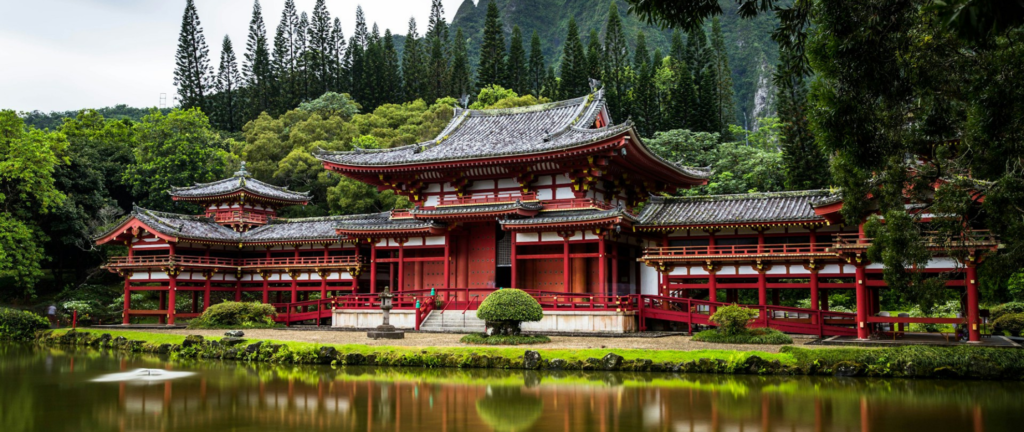
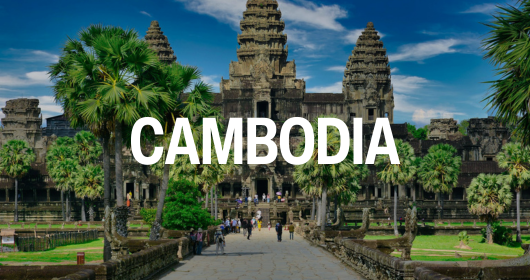
Backpackers have been traveling through Asia for decades, leaving a well-worn trail around the region. Starting in beautiful Thailand, the classic route winds through Vietnam and Cambodia to the temples of Angkor Wat, then down through Malaysia to Singapore.
There are plenty of variations, but that’s the general flow most travelers follow.
I visited Indonesia back in 2015, and I absolutely fell in love with the place. Moving around Bali, soaking up the culture, and waking up to those stunning mountain views — it was unforgettable. The rice terraces, the volcanoes, the warmth of the locals… it’s a special part of the world.
Asia is an incredible region for new travelers because it’s easy to navigate, safe, and full of other backpackers to meet. But it’s also perfect for veterans, with endless off-the-beaten-path destinations beyond the standard trail.
Whether you’re chasing waterfalls in Bali, eating street food in Bangkok, or island-hopping in the Philippines, there’s something here for every traveler — and every budget.
This Asia travel guide will help you explore the region like a pro, save money, and make the most of your time in this fun, gorgeous, and lively corner of the world.
Places Must Visit in Asia
Best 5 Things to See and Do in Asia
Bali
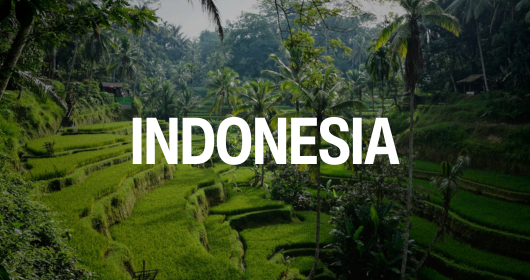
Bali, known as the “Island of the Gods,” is Indonesia’s most famous travel destination. The island offers an incredible mix of lush rice terraces, active volcanoes, pristine beaches, and ancient temples. In Ubud, you can walk through the iconic Tegalalang Rice Terraces and visit the Sacred Monkey Forest Sanctuary. For adventure seekers, a sunrise hike up Mount Batur, an active volcano, rewards you with breathtaking views over the island. The coastal areas of Nusa Dua, Seminyak, and Uluwatu offer world-class surfing, luxury resorts, and stunning sea temples like Tanah Lot and Uluwatu Temple, perched on dramatic cliffs. Don’t miss the Tirta Empul water temple, where locals and visitors take part in purification rituals. Bali is also famous for its yoga retreats, cooking classes, and vibrant nightlife. A scooter is the best way to explore the island, with rentals costing around $5-8 USD per day. Entrance to most temples costs $2-5 USD. Whether you seek relaxation, adventure, or culture, Bali has something for everyone.
The Phi Phi Islands
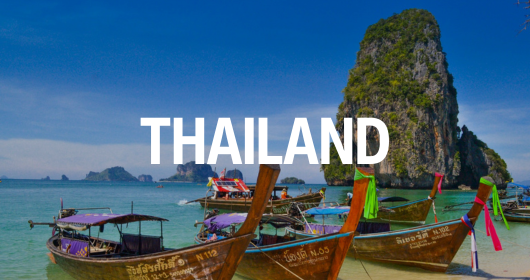
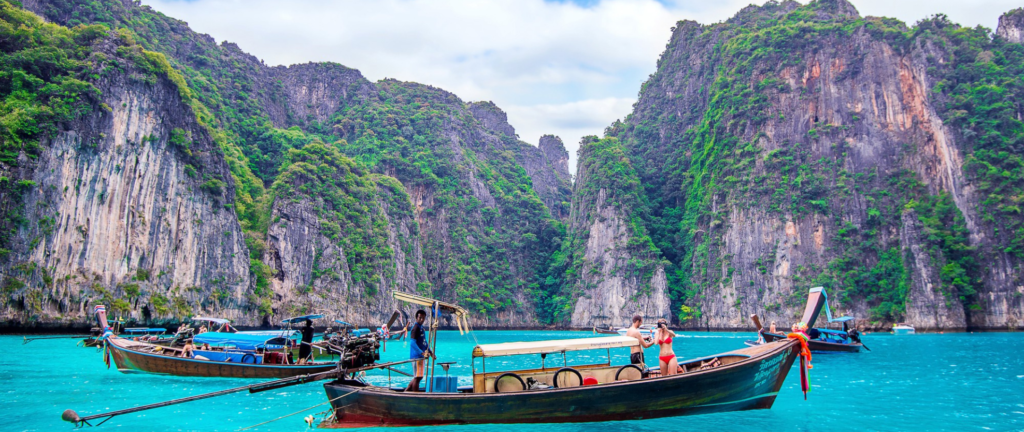
Thailand offers two unforgettable experiences: chaotic Bangkok and paradise Phi Phi Islands. For Asia Travel, Bangkok’s must-sees include the Grand Palace, Wat Pho’s massive reclining Buddha, floating markets, and legendary street food like pad thai and mango sticky rice. Nightlife hotspots are Khao San Road and Sukhumvit’s rooftop bars. A few hours south, the Phi Phi Islands boast turquoise waters and limestone cliffs. Maya Bay from The Beach is the highlight, though crowded. Long-tail boat tours from Phi Phi Don cost $20-30 USD including snorkeling at Bamboo Island and Viking Cave. A Maya Bay day pass is $15 USD. From temples to crystal waters, Thailand delivers.
Ha Long Bay
Ha Long Bay in northern Vietnam is famous for its emerald waters and thousands of limestone islands. For Asia Travel, the best way to experience it is on a traditional wooden junk boat, with overnight cruises from $110 USD for two days and one night, or day trips from Hanoi for $55 USD. Must-see spots include Sung Sot Cave and Ti Top Island for panoramic views. Kayaking through hidden lagoons and floating villages is a highlight, especially at Luon Cave. For fewer crowds, visit nearby Lan Ha Bay. The best time to visit is from October to April. A typical cruise includes meals, kayaking, and entrance fees. Sunrise and sunset views are spectacular.
The Great Wall of China
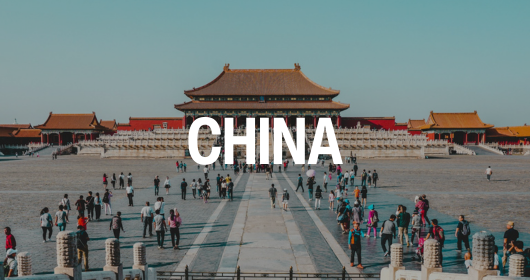
Stretching over 13,000 miles across northern China, the Great Wall of China is one of the most famous landmarks on the planet. The wall, which was constructed across numerous dynasties, was intended to stave against invasions. Badaling and Mutianyu are the most well-liked neighborhoods close to Beijing. While Mutianyu offers breathtaking views with less people and a cable car to the summit, Badaling is the most renovated and congested. Visit Jinshanling or Simatai, where the wall is still in its original, crumbling state, for a more genuine experience. Depending on the section, entrance prices vary from $8 to $12 USD. The round-trip fee of a chairlift or cable car is an extra $10 to $15. Spring (April–May) and fall (September–October) are the ideal seasons to visit because of the pleasant weather and unobstructed sights. You will be ascending high steps and uneven paths, so wear suitable hiking shoes. While committed hikers can spend days traveling between distant regions, most visitors spend three to four hours exploring a sector. The Great Wall is a once-in-a-lifetime experience, whether you are a history buff or just enjoy stunning scenery.
Marina Bay Sands & Gardens
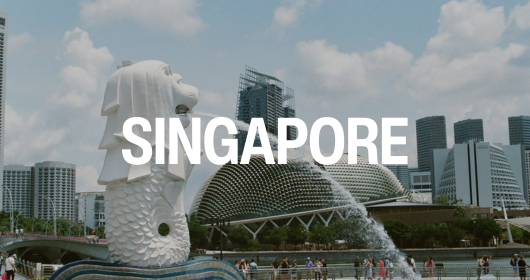
Marina Bay Sands and Gardens by the Bay define Singapore’s futuristic skyline. For Asia Travel, the Sands SkyPark offers 360-degree city views for about $25 USD, though the famous infinity pool is for hotel guests only. The Shoppes mall features an indoor canal with sampan rides. Just across the bay, Gardens by the Bay spans 101 hectares. The Supertree Grove comes alive with a light and sound show nightly between 7:45 and 8:45 PM. The Flower Dome and Cloud Forest conservatories display plants from around the world, with Cloud Forest featuring a 35-meter indoor waterfall. A two-dome ticket costs $25–30 USD. Late afternoon is the best time to visit the domes before staying for the Supertree light show. Singapore’s MRT makes getting here easy from anywhere in the city.
Klook.comMore Things to Do and See in Asia
Explore Tokyo, Japan
okyo is where ancient traditions meet futuristic technology. For Asia Travel, start at Senso-ji, Tokyo’s oldest temple in Asakusa, with Nakamise-dori selling traditional snacks and souvenirs. For modern Tokyo, hit Shibuya Crossing and see Hachiko’s statue. Nearby Harajuku’s Takeshita Street is the center of quirky youth culture. Don’t miss the peaceful Meiji Shrine surrounded by forest. For free city views, visit the Tokyo Metropolitan Government Building’s observation deck. A Tokyo Metro day pass costs around $7 USD. Food highlights include sushi at Toyosu Market and ramen in Shinjuku. Best times to visit are spring for cherry blossoms and autumn for fall colors. Tokyo is safe, clean, and endlessly fascinating.
Visit the Taj Mahal, India
The Taj Mahal in Agra, India, is widely considered the most beautiful building in the world. This white marble mausoleum was built by Emperor Shah Jahan in memory of his beloved wife Mumtaz Mahal. It took over 20,000 workers and 22 years to complete. The building changes color throughout the day — pinkish at sunrise, white in the afternoon, and golden under moonlight. Visitors should arrive at sunrise to see the monument at its most stunning and to avoid the midday crowds. The entrance fee is around $15 USD for foreigners, which includes a bottle of water and shoe covers. The main gate offers the classic first view of the Taj framed by the archway. Inside, the intricate marble inlay work with semi-precious stones is breathtaking. Photography is allowed outside but prohibited inside the main tomb chamber. The best months to visit are October through March when temperatures are cooler. Combine your trip with visits to Agra Fort and Fatehpur Sikri nearby. A day trip from Delhi by train takes about two hours.
Trek to Tiger’s Nest Monastery
Perched on a cliff 900 meters above the Paro Valley, Tiger’s Nest Monastery (Paro Taktsang) is Bhutan’s most iconic landmark. Legend says Guru Rinpoche flew here on the back of a tigress to meditate in the 8th century. The hike takes 2-3 hours each way, covering 4-5 kilometers of steep, rocky terrain through pine forests and prayer flags. You can rent a pony for the first half for around $15-20 USD. The monastery itself clings dramatically to the cliff face, with ancient murals, golden statues, and a sacred cave inside. Foreign visitors must pay a $100-250 USD per day sustainable development fee to enter Bhutan, which includes a guide, accommodation, and meals. The best months to visit are March-May and September-November when skies are clear. Wear sturdy hiking boots and bring water. The final stretch involves hundreds of stone steps — take it slow to adjust to the altitude. Photography is allowed outside but prohibited inside the monastery.
Discover Seoul, South Korea
Seoul, the capital of South Korea, is a dynamic city where ancient palaces sit alongside futuristic skyscrapers. Start at Gyeongbokgung Palace, the largest of the Five Grand Palaces built during the Joseon Dynasty. Watch the changing of the royal guard ceremony and rent a traditional hanbok for free palace entry. Nearby, Bukchon Hanok Village features hundreds of traditional Korean houses preserved between modern buildings. For shopping and street food, head to Myeongdong or Insadong. Don’t miss N Seoul Tower on Namsan Mountain for panoramic city views — take the cable car or hike up. The tower is especially romantic at sunset. For a taste of local life, visit Gwangjang Market, one of Korea’s oldest markets, famous for bindaetteok (mung bean pancakes) and mayak gimbap (addictive mini rice rolls). The Demilitarized Zone (DMZ) is a popular day trip from Seoul, offering insight into Korea’s divided history. A DMZ tour costs around $50-70 USD. The Seoul Metro is efficient and easy to navigate, with signs in English. The best seasons to visit are spring (April-May) and autumn (September-October).
Relax on Railay Beach, Thailand
Railay Beach in Krabi province, Thailand, is accessible only by boat due to the towering limestone cliffs that cut it off from the mainland. This secluded paradise features white sand beaches, crystal-clear water, and world-class rock climbing. The cliffs attract climbers from around the globe, with routes for beginners and experts. A half-day climbing lesson costs around $30-40 USD. Long-tail boats from Ao Nang or Krabi town cost about $3-5 USD each way. Railay consists of four main areas: Phra Nang Beach (the most stunning), West Railay (best for sunset), East Railay (mangroves and budget accommodation), and Tonsai (rock climbing hub). Phra Nang Cave, located at the southern tip, is a shrine filled with wooden phallic offerings left by fishermen seeking good luck. Kayaking through the mangroves at high tide is another popular activity, with rentals around $5 USD per hour. There are no roads or cars on the peninsula, only sandy footpaths. Accommodation ranges from budget bungalows to luxury resorts. The best time to visit is from November to April during the dry season. Low-season (May-October) offers lower prices but rougher seas.
Experience the Petronas Twin Towers
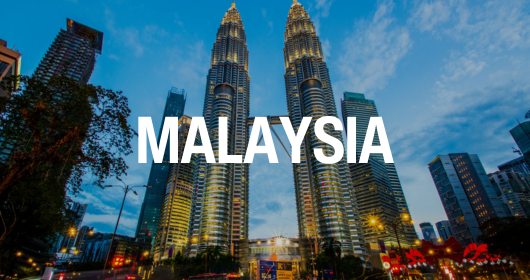
The Petronas Twin Towers in Kuala Lumpur were once the tallest buildings in the world, standing at 452 meters (1,483 feet). The 88-story towers are connected by a double-decker skybridge on the 41st and 42nd floors, offering stunning views of the city. Tickets cost around $25 USD for adults and must be purchased online in advance as they sell out quickly. The visitor experience includes a trip to the skybridge and then to the 86th-floor observation deck. For free views, head to the nearby Kuala Lumpur Tower or the rooftop bar at Traders Hotel. The towers are best photographed from the KLCC Park’s lake at night when the buildings are illuminated. Surrounding the towers is Suria KLCC, a six-story shopping mall with high-end brands, restaurants, and an aquarium. The KLCC area is also home to the Philharmonic Hall and a large public park with jogging trails and a children’s pool. The best time to visit the observation deck is late afternoon, so you can see the city in daylight and watch the sunset. Evening visits offer spectacular city lights. The towers are accessible via the KLCC LRT station.
Visit Borobudur Temple
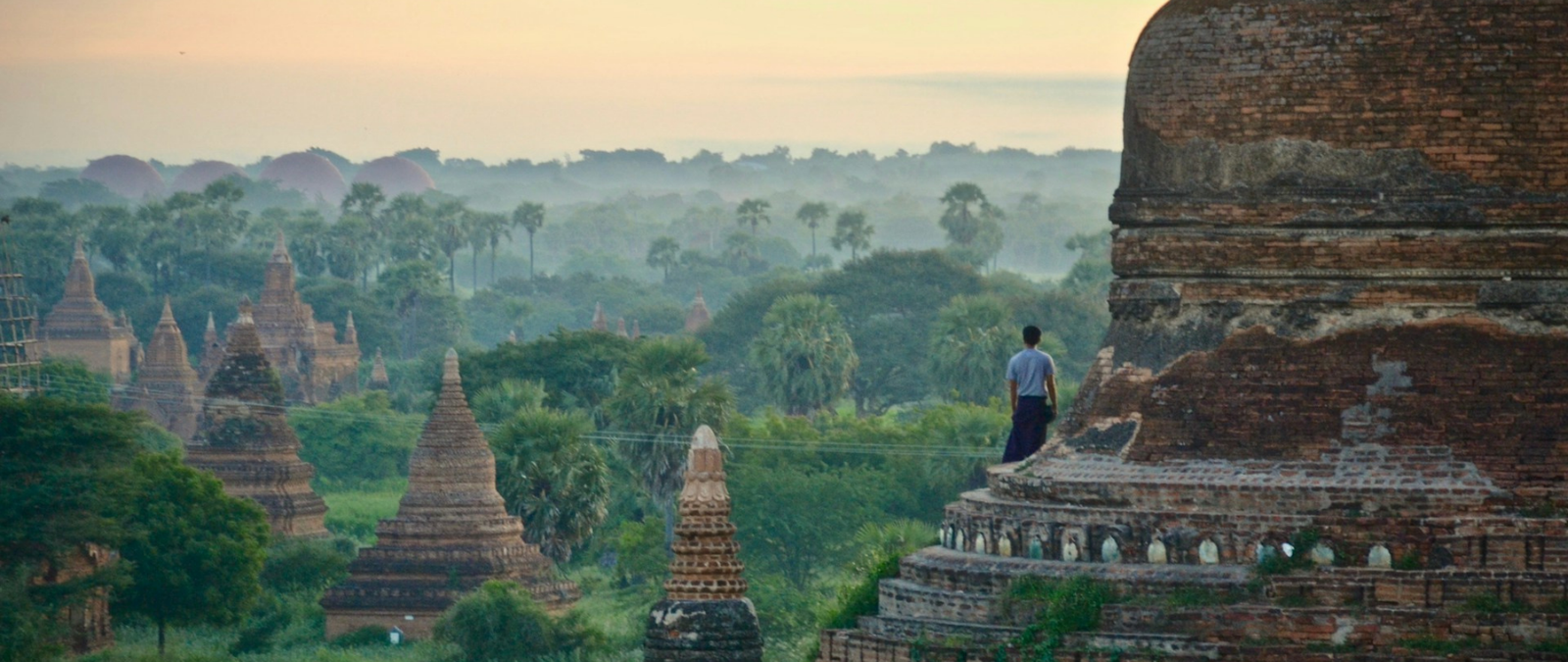
Borobudur Temple in Central Java, Indonesia, is the world’s largest Buddhist temple, built in the 9th century. The temple consists of nine stacked platforms — six square and three circular — topped by a central dome. It’s decorated with over 2,600 relief panels and 504 Buddha statues. The structure is shaped like a giant mandala, representing Buddhist cosmology. A sunrise tour is the most magical time to visit, as the mist rises over the surrounding jungle and Mount Merapi looms in the distance. Sunrise tickets cost around $40-50 USD and must be booked in advance. Regular day tickets are about $25 USD. Visitors walk clockwise around each level, starting at the base and moving upward toward enlightenment. The top level features 72 small stupas, each containing a Buddha statue. After the temple, visit the nearby Mendut and Pawon temples, which are connected to Borobudur by a sacred path. The best months to visit are April through October during the dry season. Wear modest clothing covering shoulders and knees — sarongs are available for rent. Arrive early to avoid the heat and crowds. The temple is about an hour’s drive from Yogyakarta.
Trek in Sapa, Vietnam
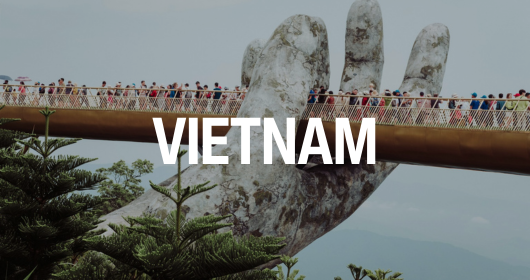
Sapa, located in northern Vietnam’s Hoang Lien Son mountains, is famous for its terraced rice fields, ethnic minority villages, and Fansipan — the highest peak in Indochina at 3,143 meters. Trekking through Sapa’s valleys takes you past cascading waterfalls, bamboo forests, and villages of the Hmong, Dao, and Tay people. A typical 2-day, 1-night trek costs $50-80 USD, including a guide, meals, and homestay accommodation. Homestays offer an authentic experience sleeping in a traditional stilt house and eating local dishes. The most popular trekking routes include Muong Hoa Valley, Cat Cat Village, and Ta Van Village. For those who prefer not to hike, a cable car to Fansipan’s summit costs around $35 USD round trip and offers spectacular mountain views. The best time to visit is from March to May or September to November, when the weather is dry and the rice terraces are at their most beautiful — green in spring and golden in autumn. Summer (June-August) brings rain and leeches, while winter (December-February) can be cold and foggy. Pack good hiking boots, warm layers, and rain gear.
Explore Hong Kong
Hong Kong is a city of contrasts — towering skyscrapers next to traditional temples, luxury malls alongside street markets. Start at Victoria Peak for panoramic views of the skyline and harbor. The Peak Tram costs around $12 USD round trip. For free views, hike the Morning Trail. Take a Star Ferry across Victoria Harbour — one of the world’s most scenic and cheapest ferry rides at under $0.50 USD. The Symphony of Lights show happens every night at 8:00 PM. Visit the Temple Street Night Market for knockoffs, souvenirs, and seafood. The Ladies’ Market in Mong Kok is famous for clothing and accessories. For a dose of culture, visit Wong Tai Sin Temple, a Taoist temple known for fortune-telling, or the Chi Lin Nunnery, a beautiful Buddhist complex made entirely of wood without nails. The Big Buddha on Lantau Island is a 34-meter-tall bronze statue reached by climbing 268 steps or taking a cable car. A Ngong Ping 360 cable car ticket costs around $30-40 USD round trip. Hong Kong’s MTR subway is clean, efficient, and easy to navigate. The best months to visit are October through December when the weather is cool and dry.
Visit the Gili Islands
The Gili Islands, located off the coast of Lombok, Indonesia, are three small islands — Gili Trawangan (Gili T), Gili Meno, and Gili Air — each with its own personality. There are no cars or motorized traffic on any of the islands; transportation is by bicycle or horse-drawn cart called a cidomo. Gili Trawangan is the largest and most developed, known for its nightlife, beach bars, and the famous swings in the water. Gili Meno is the quietest, best for honeymooners and turtle nesting. Gili Air offers a balance between relaxation and activity. Snorkeling and diving are the main attractions, with abundant sea turtles, coral gardens, and underwater statues. A snorkeling trip visiting all three islands costs around $10-15 USD. Scuba diving courses start at $250 USD. The islands are reachable by fast boat from Bali (about 2 hours, $20-35 USD one way) or Lombok (15-30 minutes, $5-10 USD). The best time to visit is from April to October during the dry season. Bicycle rentals cost around $3-5 USD per day. Sunset views from Gili T’s west coast are spectacular. Don’t miss the underwater sculpture “Nest” off Gili Meno.
Discover Luang Prabang, Laos
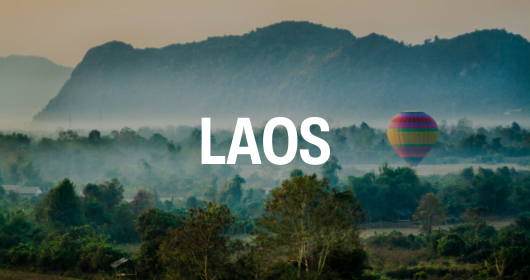
Luang Prabang, a UNESCO World Heritage City in northern Laos, is known for its well-preserved architecture, golden temples, and French colonial influences. The city’s main attraction is the daily alms-giving ceremony (Tak Bat), where hundreds of Buddhist monks walk through the streets at dawn collecting rice from locals. Visitors can observe respectfully from a distance. Wat Xieng Thong, the city’s most beautiful temple, features a stunning golden mosaic and a “tree of life” glass mosaic. Mount Phousi, a 100-meter hill in the center of town, offers panoramic views over the Mekong and Nam Khan rivers — best at sunset. The Kuang Si Waterfalls, located about an hour outside town, are multi-tiered turquoise cascades perfect for swimming. Entrance costs around $7 USD. Take a Mekong River cruise to the Pak Ou Caves, filled with thousands of Buddha statues. Night markets offer handmade textiles, silverware, and local street food. The best time to visit is from November to March during the dry season. April is hot, and May to October is rainy. A bicycle is the best way to explore the compact town.
Visit Mount Fuji & Hakone
Mount Fuji, Japan’s highest peak at 3,776 meters, is an active volcano and UNESCO World Heritage Site. The mountain is best viewed from Hakone, a nearby town famous for hot springs, lake cruises, and stunning Fuji views. The Hakone Free Pass ($50-60 USD for two days) includes round-trip transportation from Tokyo and unlimited use of local buses, trains, cable cars, and pirate ships on Lake Ashi. The Hakone Ropeway takes you to Owakudani Valley, a volcanic zone with steaming vents, black eggs boiled in sulfurous waters (said to add seven years to your life), and on clear days, incredible Mount Fuji views. Lake Ashi cruises offer the classic postcard view of Fuji reflected in the water. The climbing season for Mount Fuji is only July to August, with trails open to hikers. Climbing costs nothing but requires physical fitness and warm clothing. Off-season, admire the mountain from nearby viewpoints like Chureito Pagoda or Fuji Five Lakes. The best months for clear Fuji views are November through February. Winter air is crisp, but dress warmly. Hakone’s onsen (hot spring baths) are perfect after a day of sightseeing.
Experience the Cherry Blossoms, Japan
Cherry blossom season (Sakura) is Japan’s most magical time of year, typically occurring from late March to early April. The blossoms last only one to two weeks, creating a fleeting pink and white canopy across the country. Top viewing spots include Tokyo’s Ueno Park, Shinjuku Gyoen, and Chidorigafuchi Moat, where you can rent rowboats under the blossoms. Kyoto’s Philosopher’s Path, Maruyama Park, and Arashiyama are legendary for cherry trees lining historic canals and temples. Osaka Castle Park offers stunning blossoms with the castle as a backdrop. For a less crowded experience, visit Himeji Castle or the gardens of Kanazawa. Many locals and visitors practice hanami — cherry blossom viewing parties under the trees with food, drinks, and blankets. Popular spots fill up early, so arrive before sunrise to secure a spot. The Japan Meteorological Corporation releases forecasts months in advance. Accommodation books up quickly, so reserve 6-12 months ahead. Evening illuminations (yozakura) at many parks and temples offer a magical atmosphere. A Japan Rail Pass ($250-350 USD for 7 days) is excellent value for traveling between blossom spots.
Explore the DMZ, South Korea
The Demilitarized Zone (DMZ) is a 250-kilometer-long, 4-kilometer-wide buffer zone separating North and South Korea. It’s one of the most heavily fortified borders in the world but also an unexpected wildlife haven. A DMZ tour from Seoul costs $50-70 USD and lasts about half a day. Highlights include the 3rd Infiltration Tunnel, discovered in 1978, which could accommodate 30,000 soldiers per hour. Visitors can walk through the tunnel (hard hats provided), though it’s narrow and slopes downward. The Dora Observatory offers views into North Korea through binoculars, showing the propaganda village of Kijong-dong and the North Korean flagpole — one of the world’s tallest. Dorasan Station, once intended to connect the two Koreas by rail, is an emotional stop. The Imjingak Park features monuments, the Bridge of Freedom, and a steam locomotive damaged during the Korean War. Some tours also visit the Joint Security Area (JSA) at Panmunjom, where you can stand in the conference room that straddles the border. JSA tours require advance booking and passport information. Dress respectfully — no ripped jeans or military-style clothing. The DMZ is a sobering but fascinating glimpse into Korea’s divided history.
Scuba Dive in Sipadan, Malaysia
Sipadan Island, off the coast of Malaysian Borneo, is consistently ranked as one of the best dive sites in the world. The island sits atop an extinct volcanic cone, with walls dropping over 600 meters into the Celebes Sea. Only 176 diving permits are issued per day, costing 140 MYR ($30 USD). Permits are allocated to resorts on nearby islands like Mabul and Kapalai, and divers must stay at these resorts for at least 3-4 days to secure a permit. Sipadan’s marine life is extraordinary — expect to see green and hawksbill turtles on virtually every dive, schools of barracuda and jackfish forming tornado-like spirals, reef sharks, bumphead parrotfish, and the occasional hammerhead. Barracuda Point is the most famous dive site, known for massive barracuda vortexes. The Drop-Off features a sheer vertical wall covered in colorful corals and sponges. Turtle Tomb is an underwater cave system (for advanced divers only) where turtle skeletons rest. The best time to dive is from April to December. Certification is required for all dives, and beginners should complete their Open Water course at nearby islands before attempting Sipadan. Visibility often exceeds 30 meters.
Travel Safety in Asia
Although safety levels vary by nation, Asia is considered a fairly safe place for backpacking and solo travel, including for female travelers. across contrast to Western nations, violent crime is uncommon across most of Asia. The most frequent crime is petty theft, which includes pickpocketing and bag snatching, particularly on public transportation and near well-known tourist attractions. For your own safety, always keep your valuables out of reach on trains, subways, especially in crowds. Because bag theft occurs in some cities, never leave your belongings unattended when at the beach and always keep an eye on your bag when you are out and about.
Outside touristy areas, theft is really rare. Heck, it’s pretty rare in touristy areas too! But a little vigilance goes a long way and it’s better to be safe than sorry.
You should be mindful of certain prevalent scams, such the motorbike rental scam. In this case, the rental business is attempting to bill you for harm that you did not do. Take pictures of your rental before you depart to prevent this and shield yourself from unfounded allegations. Another typical scam is when a tuk-tuk driver takes you somewhere you do not want to go in the hopes that you would purchase anything from the store where he dropped you off. Just refuse to make any purchases and insist on returning to your previous location or finding a another driver. In certain regions of Asia, be on the lookout for scams such as the tea scam, in which you are called for a drink and then given a huge charge, or the bogus tourist office fraud.
Solo female travelers should feel safe here, though it’s generally a good idea to avoid walking around alone at night just to be safe. It’s always a good idea to carry some extra cash to get home in a taxi if you need to. Additionally, always keep an eye on your drink at the bar and never accept drinks from strangers. Be sensible when it comes to dating while traveling and meeting people in public places. As I’m not a woman, please check out some solo female travel blogs to get the best insight.
Overall, the people who get in trouble here tend to be involved with drugs or sex tourism. Avoid those two things and you should be fine. Keep in mind that it’s not always obvious how old someone is or if they’re a sex worker so be mindful when getting involved in romantic interactions. Also, penalties for drug use in this region are stiff so even if you’re here to party, skip the drugs.
Always trust your gut instinct. Make copies of your personal documents, including your passport and ID. Forward your itinerary along to loved ones so they’ll know where you are.
Buying quality travel insurance is the most crucial piece of advice I can give. You can be protected from illness, accident, theft, and cancellations with travel insurance. It offers complete protection in the event that something goes wrong. I have had to use it numerous times in the past, therefore I never travel without it. To determine which policy is best for you, utilize a comparison website.
Asia Travel Cost
| Country | Budget Accommodation (per night) | Mid-Range Accommodation (per night) | Budget Food (per meal) | Mid-Range Food (per meal) | Estimated Daily Total (Food + Accommodation) |
|---|---|---|---|---|---|
| Indonesia (Bali) | Hostel dorm: $5–$10 Private homestay: $12–$20 | $25–$45 | Local warung: $2–$4 | Cafe/restaurant: $6–$12 | $10–$22 (budget) |
| Singapore | Hostel dorm: $20–$35 Private hostel room: $40–$60 | $80–$150 | Hawker center: $4–$7 | Restaurant: $12–$20 | $28–$45 (budget) |
| Malaysia | Hostel dorm: $7–$12 Private room: $15–$22 | $25–$45 | Hawker food: $2–$5 | Restaurant: $6–$12 | $12–$22 (budget) |
| Vietnam | Hostel dorm: $5–$8 Private room: $12–$18 | $20–$35 | Street food: $1.50–$3 | Restaurant: $5–$8 | $10–$20 (budget) |
| Thailand | Hostel dorm: $6–$10 Private guesthouse: $15–$20 | $25–$40 | Street food: $2–$4 | Restaurant: $6–$10 | $12–$25 (budget) |
Where to Stay in Asia
I’ve been backpacking across Asia since 2012 and have slept in countless accommodations. Below are some of my top recommended places to stay in the region.
Japan (Tokyo, Osaka, Kyoto)
- K’s House Kyoto – A highly rated hostel with dorm beds from $20–$25 and private rooms from $50–$60. Clean, quiet, and central.
- UNPLAN Shinjuku (Tokyo) – Modern, social hostel. Dorms from $22–$28, private pods from $40–$50.
- Hotel Hillarys (Osaka) – Budget capsule hotel. Capsules from $25–$35, very clean with great amenities like onsen baths.
Indonesia (Bali, Java)
- Puri Garden Hotel & Hostel (Bali, Ubud) – Famous backpacker spot. Dorms from $8–$12, includes free daily yoga and unlimited breakfast.
- Bethel Homestay (Bali, Canggu) – Private rooms from $15–$20 with air conditioning and breakfast included. Super friendly family running it.
- Wonderloft Hostel (Jakarta, Java) – Dorms from $6–$9, incredibly stylish with a rooftop bar and co-working space.
Thailand (Bangkok, Chiang Mai, Phuket)
- Bodega Party Hostel (Bangkok) – Dorms from $6–$10. Very social, great for solo travelers, but loud so not for light sleepers.
- Stamps Backpackers (Chiang Mai) – Dorms from $5–$8, private rooms from $15–$18. Extremely clean with free noodles and water all day.
- Lupta Hostel (Phuket Old Town) – Quiet, stylish hostel. Dorms from $8–$12, with huge comfortable beds and blackout curtains.
Singapore
- The Pod @ Beach Road – Capsule hotel. Pods from $35–$45 per night. Super clean, private, and in a great central location.
- Dream Lodge (Farrer Park) – Hostel with pod-style dorms from $30–$40. Very quiet and well-maintained.
- Wink Hostel (Chinatown) – Dorms from $32–$38. Includes free breakfast (toast, eggs, coffee) and has excellent security.
Malaysia (Kuala Lumpur, Penang)
- The Bed KLCC (Kuala Lumpur) – Dorms from $9–$14, right in the city center with a rooftop pool and amazing views of the Petronas Towers.
- Flora by Crossroads (Kuala Lumpur) – Female-only dorm from $8–$12, very safe and quiet.
- Ryokan Muntri Boutique Hostel (Penang, George Town) – Dorms from $10–$15, private doubles from $25–$30. Beautiful heritage building with a plunge pool.
Cambodia (Siem Reap, Phnom Penh)
- The Siem Reap Chilled Backpacker (Siem Reap) – Dorms from $4–$7, private rooms from $12–$16. Has a great pool and free family dinner nights.
- Onederz Hostel (Siem Reap) – Dorms from $5–$8, very clean with a lovely pool. Known for being social but not a party hostel.
- Mad Monkey (Phnom Penh) – Dorms from $5–$9. This is a party hostel, so it’s loud but very fun and well-run with a pool and bar.
Asia Travel Guide: Saving Tips
If you know where to cut costs without compromising the experience, traveling around Asia may be really economical. I have discovered that little everyday decisions build up to significant savings over a month-long vacation after years of backpacking through anything from busy Bangkok to remote Indonesian villages. Here are ten easy, doable strategies to help you eat healthily, get a good night’s sleep, and see all you came for while staying within your budget.
- Stay in Hostels – Stay in hostels or guesthouses instead of hotels. Dorm beds across Southeast Asia cost $5 to $12 per night compared to $30+ for a private hotel room. Many hostels also include free breakfast, which saves you another $3 to $5 per day.
- Street Food – Eat street food and local market meals rather than tourist restaurants. A filling bowl of noodles or rice with meat costs $1.50 to $3 from a street stall. The same meal in an air-conditioned restaurant aimed at tourists will easily run you $8 to $12.
- Local Transport – Use overnight buses and trains to save on both transport and accommodation. A sleeper bus from Bangkok to Chiang Mai costs around $15 to $20 and includes a reclining bed for the night. This way you travel while you sleep and avoid paying for a hostel that evening.
- Local Apps – Download ride-hailing apps like Grab or Gojek instead of taking tuk-tuks or taxis. A tuk-tuk driver might charge you $5 for a ten-minute ride, while the same trip on Grab costs only $1.50. The app also shows the fixed price upfront so you never get overcharged.
- Off Peak Season – Travel during shoulder seasons when prices drop significantly. For most of Asia, May, June, and September offer 30 to 50 percent lower hostel rates than peak season. The weather is still good, but there are far fewer tourists competing for rooms.
- Currency Exchange – Avoid currency exchange booths at airports and tourist hotspots. These booths offer terrible rates and hidden fees that can cost you 10 to 15 percent extra. Instead, withdraw local cash from ATMs and always decline the ATM’s conversion offer.
- In-person Booking – Book accommodation in person rather than through online platforms. Online booking sites add 15 to 20 percent in fees that you can avoid by walking into a guesthouse directly. You can also negotiate a lower rate when you show up with cash for multiple nights.
- Use two wheeler – Rent a scooter instead of hiring drivers for daily sightseeing. In Bali, Thailand, and Vietnam, scooter rentals cost $5 to $8 per day. Hiring a private driver for the same day of temple hopping would cost you $25 to $40.
- Avoid organized Activities – Skip organized tours and explore on your own or with local transport. A hostel tour to Angkor Wat might cost $25, but renting a bicycle for $2 or hiring a tuk-tuk driver directly for $15 does the exact same thing. You also get to set your own pace without a big group.
- Reusable Bottle – Carry a reusable water bottle with a filter instead of buying plastic bottles. Buying two or three plastic water bottles per day adds up to $3 to $5 daily. A filter bottle costs around $20 upfront but pays for itself within a week and is better for the environment.
How to Get Around in Southeast Asia
Local transit – Getting around via local transit costs anywhere from a couple of cents to a few dollars, with Singapore and Malaysia boasting the most extensive networks.
In Thailand, local city buses run around $0.25 USD per ride, while Bangkok’s Metro and Skytrain set you back $0.50–1.50 USD per trip. Over in Cambodia, a single bus ticket in Phnom Penh costs just $0.40 USD. Most big cities have subway systems, but you’ll typically rely on buses or shared taxis to get from place to place.
Three-wheeled taxis – Tuk-tuks are small, unmetered shared taxis found throughout most of the region. They usually hold 3–6 passengers and are pricier than public transport but faster, and haggling is expected. For a trustworthy driver, ask your guesthouse or hostel since they usually have a reliable contact.
You can often hire a tuk-tuk driver for the full day at a reduced rate, which is a popular way to explore places like the Killing Fields and Angkor Wat in Cambodia.
Regular taxis – Taxis across Southeast Asia are typically safe, though haggling is fairly common. Rip-off attempts aren’t unusual either, so always have your accommodation call a cab for you whenever possible to ensure you get a legitimate company.
In Singapore and Indonesia, drivers almost always use the meter. In Bangkok, you can get drivers to turn on the meter, but if you flag one down in a tourist-heavy area, they might try to refuse. In Vietnam, meters are sometimes tampered with, but sticking with a trusted company like Mai Linh will keep you out of trouble.
App-based rides – Grab, DiDi, and Indrive are Asia’s version of Uber. They function the same way: you book a driver through the app and can pay either digitally or with cash. These services are often cheaper than regular taxis, though drivers can be a bit inconsistent since the system isn’t as universal here as it is elsewhere.
Just remember that some drivers use motorcycles, so double-check what vehicle is coming for you if you’d prefer not to ride on the back of a bike.
Buses – The simplest and most budget-friendly way to navigate Southeast Asia is by bus, and it’s my personal favorite. The backpacker route is so well-traveled that a reliable tourist bus network exists to take you practically anywhere. Bus fares typically run $5–8 USD for a five to six hour trip.
Overnight buses cost $10–15 USD depending on how far you’re going. You can compare prices and reserve seats for all the major bus operators across Southeast Asia at 12go.asia.
Rail travel – Train options are fairly limited across the region and not something you should count on while traveling through Southeast Asia. You can ride the train along Vietnam’s coast, and Malaysia has a few scenic rail lines.
Thailand is the only country with an extensive railway network that lets you explore all its regions (and continue on to Singapore) starting from Bangkok. Train fares depend on distance and class. The overnight train from Bangkok to Chiang Mai takes twelve hours and costs $20–27 USD for a sleeper berth. The Bangkok to Vientiane train runs 11–13 hours and goes for around $30 USD. In Vietnam, trains hug the coast from Hanoi to Ho Chi Minh City for about $40 USD. A soft sleeper with AC from Hanoi to Hue will run you roughly $44 USD.
In Cambodia, there’s a newer line from Phnom Penh to Battambang, though it’s not very comfortable, plus another from Phnom Penh to Sihanoukville with tickets at $5–7 USD, but departures are infrequent so you’ll need to plan ahead.
In Indonesia, Java’s cities are well connected by train, with an 11-hour economy ride from Jakarta to Surabaya costing about $42 USD.
Air travel – Flying around Asia has gotten much cheaper over the years thanks to the boom in budget carriers like Scoot, Jetstar, and AirAsia. Nok Air operates many domestic flights within Thailand, VietJet Air is big in Vietnam, and Lion Air serves Indonesia, though their safety track record is shaky and I personally wouldn’t fly with them. Booking early locks in the best deals, as most airlines constantly run deep discount sales, especially AirAsia.
Typical one-way fares hover around $30 USD, while last-minute tickets can jump above $100 USD. Just double-check that the airport these budget airlines use isn’t too far from where you actually want to be, because ground transport from a secondary airport can sometimes wipe out your savings.
Also, remember that you’ll usually need to pay extra for checked luggage on these cheap flights, and waiting to pay at the gate nearly doubles the cost. Stick to carry-on only to dodge that fee. All things considered, I only suggest flying if you’re short on time or stumble upon an absolute steal of a deal. Otherwise, take the bus.
Thumb travel – Hitchhiking is relatively safe in Asia travel, though how common it is varies from country to country. It’s more accepted in Malaysia but less so in Cambodia. Dress neatly, smile and make eye contact with passing drivers, and use a cardboard sign showing your destination.
Be ready for long stretches with no rides, especially when traveling through rural areas, and bring plenty of water and snacks. Also, make sure the people who stop actually realize you’re hitchhiking and not just waving down a paid taxi. Hitchwiki is an excellent resource for hitchhiking advice.
Renting a vehicle – I wouldn’t recommend renting a car anywhere in Southeast Asia. Rental rates are steep at $40 USD per day or higher, and road conditions are often terrible. I would never attempt to drive myself around this part of the world.
Best Time to Visit Asia
The best time to visit Asia really depends on where you’re going, as this massive continent has everything from tropical beaches to snowy mountains and monsoon rainforests.
For most of Southeast Asia, including Thailand, Vietnam, Cambodia, Laos, and Indonesia, the ideal window is from November to February when the weather is cooler and drier, with temperatures ranging from 77°F to 86°F (25°C to 30°C) and very little rain. This is also peak tourist season, so expect bigger crowds and higher prices for accommodation.
If you want to avoid the crowds but still get decent weather, aim for March or early April, though keep in mind that April is the hottest month across most of the region with temperatures soaring above 95°F (35°C) in places like Bangkok and Phnom Penh.
The rainy season runs from June through October across much of Southeast Asia, with daily downpours that usually last an hour or two, but don’t write it off completely since prices drop by 30 to 50 percent and the landscapes turn lush and green.
For Japan and South Korea, the best times are spring from March to May for cherry blossoms and mild temperatures around 59°F to 68°F (15°C to 20°C), or autumn from September to November for stunning fall foliage and comfortable weather. Summer in Japan and Korea is hot, humid, and rainy, while winter from December to February is cold and snowy, perfect for skiing in Hokkaido but chilly elsewhere.
China is vast, so timing depends on your destination: spring and autumn are best for Beijing and Shanghai with pleasant temperatures around 59°F to 77°F (15°C to 25°C), while summer is hot and crowded.
For India, the best time is from October to March when the weather is cool and dry, especially for Rajasthan, Delhi, and Agra, with temperatures around 50°F to 77°F (10°C to 25°C). Avoid India from April to June unless you enjoy extreme heat well above 104°F (40°C), and be aware that the monsoon hits from June to September, bringing heavy rains to most of the country.
For Nepal and Bhutan, the best trekking seasons are spring from March to May and autumn from September to November, when skies are clear, temperatures are mild, and mountain views are spectacular.
For Singapore and Malaysia, which have a tropical rainforest climate, there really is no bad time to visit since it’s warm and humid year-round, but the driest months are generally from December to February and again from June to August.
The Philippines is best visited from December to May, with the driest months being February through April, while the rainy season from June to November brings typhoons. For Indonesia, the dry season from April to October is your best bet, especially for Bali, Lombok, and Java, while November to March is wet but less crowded.
Sri Lanka has two monsoon seasons, so the west and south coasts are best from December to March, while the east coast is best from April to September.
One final tip is to check for local festivals if you want a cultural experience, but book accommodation months in advance for events like Songkran in Thailand in April, Diwali in India in October or November, and Golden Week in Japan at the end of April and beginning of May.
Generally speaking, if you can only pick one time to visit most of Asia, aim for November through February for the best balance of good weather and comfortable travel conditions.
Asia Travel Guide: The Best Booking Resources
These are the businesses I prefer to use when traveling. When I need to make reservations for a flight, hotel, tour, train, or to meet someone, they are the first place I go!
- Trip.com – The best spot to begin your search for a trip. Finding inexpensive flights is simple thanks to flexible date tools and unbeatable price comparisons.
- Aviasales – Relentless in finding you the lowest price. Aviasales scans tons of agencies and budget carriers, giving you smart filters and price history graphs to spot the best time to book.
- TravelUp – A UK-based favorite for slashing flight costs. Travelup combines competitive pricing with a huge inventory of airlines, making it a go-to for value hunters.
- Expedia – From flights to vacation packages, Expedia has you covered. A massive inventory of hotels and airlines makes it easy to plan your entire trip in one place.
- Viator – Tours, activities, and attraction tickets made simple. Viator lets you browse millions of reviews, book instantly, and explore with confidence anywhere in the world.
- Klook – Big experiences, small prices. Klook specializes in discounted tickets and exclusive deals on popular attractions, making it a go-to for budget-savvy explorers.
- Get Your Guide – Book now, pay later, cancel anytime. GetYourGuide takes the stress out of planning with flexible options and a massive selection of things to do, curated for every type of traveler.
- Localrent – Rent a car from someone who actually knows the area. Localrent offers competitive rates, free cancellation, and 24/7 support—all while supporting local businesses.
- SafetyWing – Travel medical insurance built for the modern nomad. SafetyWing offers affordable, flexible coverage that kicks in after your domestic insurance runs out—perfect for remote workers and long-term travelers.
- Compensair – Got a delayed or cancelled flight? Compensair fights for your money back. They handle the hassle of claiming EU flight compensation so you get paid—only charging a fee if you win.
- Ektatraveling – Travel with peace of mind. ektatraveling offers comprehensive insurance options to protect your trip—covering cancellations, medical emergencies, and lost luggage from the moment you book.
- Tide – Smart spending for business travelers. The Tide Travel Card lets you manage multi-currency expenses effortlessly, with no foreign transaction fees and seamless integration with your Tide business account.