
Europe travel guide
Last Updated: April 7, 2026
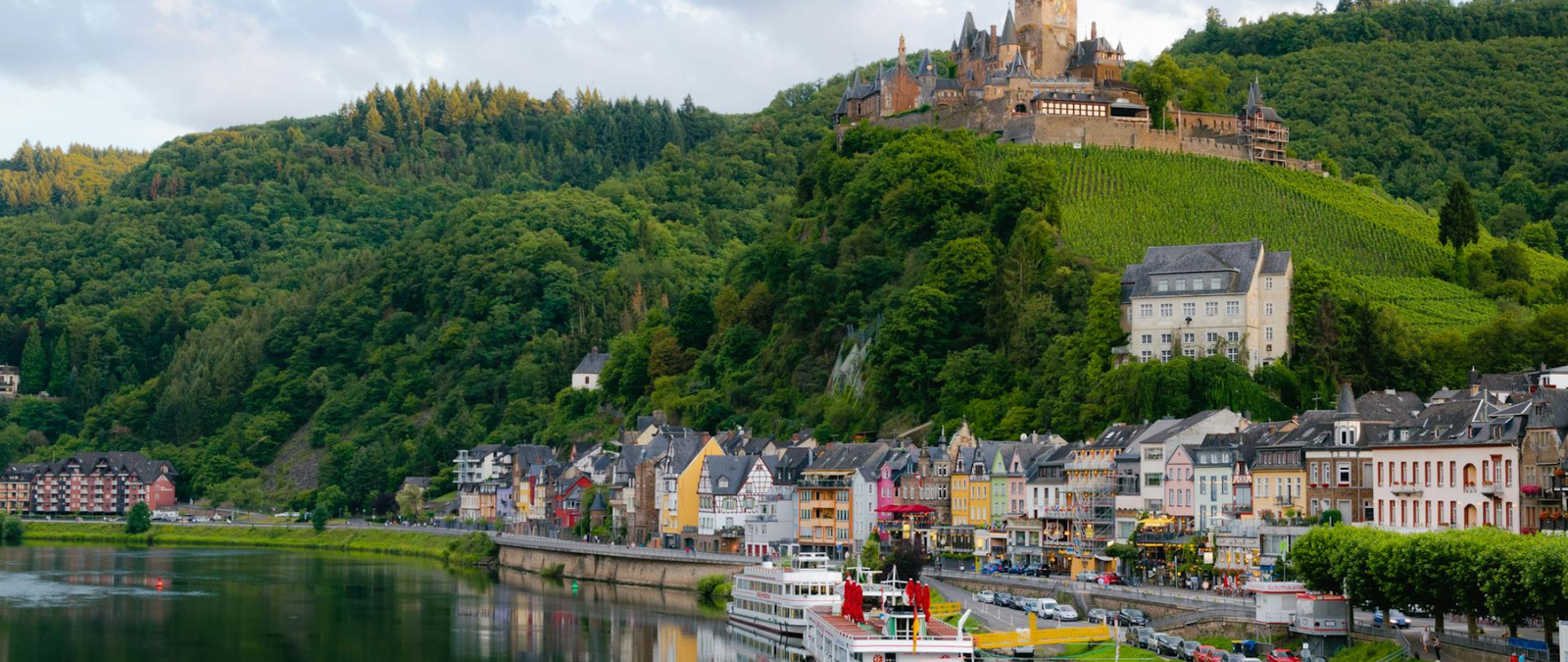
Europe offers a unique blend of history, culture, and scenic beauty, making it one of the world’s most varied and fulfilling vacation destinations. Every region of the continent has a distinct narrative, from the charming alleys of Paris to the historic ruins of Rome. Europe offers experiences that appeal to all kinds of travelers, whether you are touring top-notch museums, meandering through medieval towns, or taking in lively local markets.
Europe’s ease of movement across nations is one of its most alluring features. You may eat breakfast in Amsterdam and dinner in Brussels on the same day because to effective train networks and quick flights. Every trip feels like a brand-new adventure because each location has its own language, food, and culture. The options are infinite, ranging from trekking in the Swiss Alps to enjoying coffee in a peaceful Italian piazza.
Beyond the well-known sites, ordinary life in Europe is genuinely remarkable. Getting lost in Prague’s quaint streets or sitting at a café in Barcelona while taking in the scenery can be just as memorable as viewing the city’s main sights. Europe is a place you will want to visit time and time again because of its unique blend of modern lifestyle and old-world charm.
Countries Map
Table of Contents
- Things to do in Europe
Important Things to Do in Europe
1. Scenic Train Journeys Through Europe
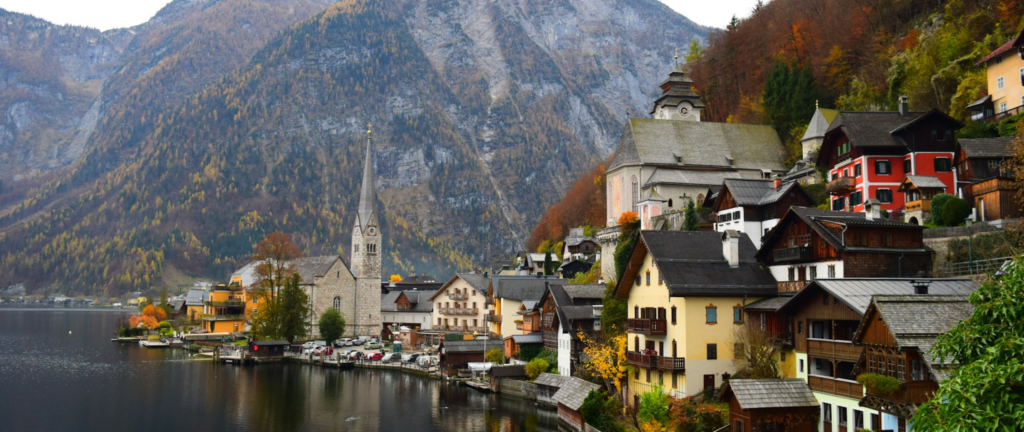
Discovering Europe is much more than simply arriving at your destination; it is also about how you get there. Taking a leisurely train ride amid stunning scenery, particularly in areas like the Alps, is one of the most unusual sensations. You may see snow-capped mountains, serene lakes, and quaint rural villages as you travel by train between cities like Zurich and Vienna. Traveling by rail, as opposed to flying, allows you to unwind, think, and really appreciate the grandeur of Europe outside your window, making the trip as unforgettable as the final destination.
2. Wander Through Historic Old Towns
There are several places in Europe that make you feel as though you have stepped into a storybook, and exploring their historic towns is a must-do. Cobblestone streets, historical structures, and classic appeal abound in cities like Prague and Florence. Take your time exploring secret passageways, finding neighborhood stores, and relaxing in tiny cafés rather than hurrying from one thing to another. You can establish a deeper and more profound connection with the city’s history and atmosphere during these moments.
3. Experience Authentic European Cuisine
In Europe, food is more than just a meal; it is a cultural experience that represents each nation’s unique personality. Every mouthful tells a tale, whether you are savoring freshly prepared pasta in Rome, indulging in buttery pastries in Paris, or sampling delectable tapas in Barcelona. To get the most out of it, steer clear of extremely touristic eateries and seek for tiny, neighborhood establishments where you can savor real flavors. This gives you a genuine feeling of European life while also improving your trip experience.
4. Discover World-Class Art and Museums
Museum tours are a must-do activity because Europe is home to some of the world’s most significant art collections. A deeper grasp of history, culture, and creativity can be gained by touring the enormous artistic riches of Vatican City or viewing famous works of art like the Mona Lisa at the Louvre Museum. You can connect with centuries of artistic achievement and gain a new perspective on the world through these experiences, which go beyond simple touring.
Explore Europe in Brief
1. Louvre Paris’ Iconic Art
The largest and most popular art museum in the world is the Louvre Museum in Paris. The Louvre’s collection spans thousands of years, from ancient civilizations to contemporary art, and is housed in a historic former palace. Along with innumerable paintings, sculptures, and antiquities from every continent, visitors can marvel at famous works of art like the Mona Lisa and the Venus de Milo. The famous glass pyramid and other architectural features of the museum are just as captivating as the artwork housed within. It is difficult to view all of the more than 35,000 artifacts on display in a single visit, yet perusing its halls offers a profound understanding of human history, creativity, and culture. Treasures from Egyptian, Islamic, and Near Eastern art can be found by exploring the lesser-known wings beyond the primary attractions. Seeing well-known paintings is only one aspect of visiting the Louvre; another is fully immersing yourself in centuries of artistic accomplishment, culture, and history. Anyone visiting Paris should make time to see it.
2. Wonders of Vatican City
Despite being the smallest nation in the world, Vatican City is among the most culturally and historically rich in Europe. Every year, millions of people visit this site, which is home to the Pope. The magnificent Sistine Chapel, painted by Michelangelo, is the pinnacle of the amazing art collections housed in the Vatican Museums, which span centuries. Explore religious treasures, elaborate tapestries, and works of art from the Renaissance and Baroque periods. One of the biggest churches in the world, St. Peter’s Basilica, features magnificent architecture, such as Michelangelo’s dome. St. Peter’s Square and the Vatican Gardens offer calm areas for contemplating the religious significance and history of the city-state. Vatican City offers a distinctive blend of art, architecture, and spiritual legacy despite its tiny size. Its cathedrals and museums provide a window into centuries of European religion and culture. Vatican City is a must-visit location for tourists looking for spirituality, culture, and artistic brilliance because every nook reveals layers of history.
3. Europe’s Tulip Magic
The splendor of spring in Europe, especially in the Netherlands, is symbolized by tulips. Travelers and photographers alike are drawn to the stunning panoramas created by fields of vivid red, yellow, pink, and purple tulips. The famous Keukenhof Gardens, dubbed the “Garden of Europe,” are located in well-known places like Lisse, where millions of blooms blossom every season. Tulip festivals feature parades, flower displays, and cultural activities to commemorate the entrance of spring. In addition to the Netherlands, tulips are planted in France and Germany, among other European nations, to bring color to gardens and parks. The history of the tulip in Europe began in the 16th century, during the Dutch Golden Age, when it came to represent riches and prestige. An immersive view of European horticultural traditions can be had by strolling through tulip fields or going to flower marketplaces. Tulips are more than just flowers; they symbolize Europe’s passion for the natural world, beauty, and seasonal festivities.
4. Swiss Rail Journeys
Switzerland is renowned for its top-notch rail system, which provides tourists with a relaxing and picturesque means of seeing the nation. Swiss trains offer stunning vistas of the mountains as they travel between cities like Zurich, Geneva, and Interlaken. Travel routes such as the Glacier Express offer expansive views of snow-capped mountains, deep valleys, and charming settlements. Trains are perfect for both short travels and lengthy picturesque excursions since they are quick, clean, and on time. Without the stress of driving, passengers can unwind, savor meals onboard, and take in breathtaking landscapes. Swiss rail is ideal for environment lovers and adventure seekers because it provides access to lakes, hiking routes, and ski areas. Swiss rail trips are among the most memorable ways to travel in Europe because they mix luxury, convenience, and breathtaking scenery, whether you are exploring towns, mountain villages, or alpine lakes.
5. Secrets of the Balkans
The Balkans, which include nations like Serbia, Montenegro, Croatia, and Slovenia, are among Europe’s most interesting and varied areas. The Balkans are a paradise for both nature lovers and adventure seekers because of their diverse range of steep mountains, tranquil lakes, immaculate coastlines, and dense forests. Explore historic fortifications, stroll through medieval old towns with cobblestone streets, and take in centuries-old cultural customs and architecture. The Balkan experience also revolves around cuisine and music, with traditional folk music and festivals complementing regional specialties like cevapi, burek, and fresh fish. Travelers looking for unusual experiences will find hidden jewels off the beaten road, such as isolated towns and secluded nature areas, while history buffs will appreciate the region’s complicated past, from Ottoman influences to Austro-Hungarian legacy. The Balkans blend culture, adventure, and beauty to offer an outstanding European experience, whether touring energetic towns, trekking picturesque trails, or taking in the friendly hospitality of locals.
6. Sail the Croatian Coast
Known for its pristine Adriatic waters, ancient coastal cities, and more than a thousand islands just waiting to be discovered, Croatia is a sailing paradise. Travelers can enjoy a special fusion of adventure, leisure, and culture by sailing along the Dalmatian coast. You can explore charming towns like Dubrovnik with its centuries-old walls and bustling harbor, anchor close to remote beaches, and swim in turquoise coves. Additionally, sailing offers the chance to enjoy the Mediterranean lifestyle at a slower pace and sample fresh seafood at restaurants by the sea. The area is perfect for both novice and expert sailors due to its favorable winds, quiet waters, and well-equipped marinas. Croatian islands off the coast, such as Hvar, Korčula, and Vis, have vibrant nightlife, quaint villages, and historic streets. Croatia is one of Europe’s most memorable sailing destinations because it allows visitors to engage with nature, culture, and history all at once, whether on a private yacht, a small catamaran, or a group sailing tour.
7. Slovenia’s Beauty
Slovenia is a small but stunning country in Central Europe that seems like it belongs in a fairy tale. With its green lakes, dense forests, and the magnificent Julian Alps, it is a paradise for both environmentalists and explorers. Lake Bled is one of the most beautiful places in Europe, with its charming island chapel, medieval castle, and calm, sparkling waters—perfect for photos or a leisurely boat trip. Adventurers can enjoy trekking trails, waterfalls, and stunning views of the mountains in Triglav National Park. Slovenia’s city, Ljubljana, captivates visitors with its lively marketplaces, quaint old town streets, and riverfront cafés. Do not miss the country’s amazing caverns, such Postojna Cave and Škocjan Cave, or its delicious regional cuisine, which blends Mediterranean, Alps, and Central European flavors. Slovenia is small, friendly, and full of surprises, making it the perfect place to combine natural adventure with cultural exploration.
8. Bullfighting in Spain
A centuries-old custom that is ingrained in Spain’s cultural legacy is bullfighting. Some of the most famous bullfighting stadiums are located in cities like Seville, Madrid, and Valencia, where spectators may observe the artistry, talent, and ritual involved in this contentious sport. With roots spanning hundreds of years, bullfighting, also known as “corrida,” entails matadors putting on a meticulously staged show of bravery, accuracy, and tradition. The practice is still an important aspect of Spanish culture, reflecting the nation’s history, identity, and festival customs, despite current discussions about ethics and animal rights surrounding it. A unique perspective on Spanish traditions, music, and ceremonial pomp can be gained by going to a bullfight. Travelers may experience Spain’s rich cultural tapestry in addition to the spectacle of the bullfight by exploring these cities’ bustling markets, architecture, and flamenco culture outside of the arena.
9. Portugal Beaches
Portugal’s breathtaking beaches, ancient cities, and rich nautical history make it an alluring travel destination. While Porto provides historic architecture, riverside charm, and world-famous Port wine, Lisbon, the capital, captivates tourists with its vibrant streets, picturesque vistas, and recognizable trams. Beautiful beaches, striking cliffs, and quaint fishing villages border Portugal’s coastline, making it ideal for surfing, sunbathing, or leisurely drives. From historic castles and monasteries to UNESCO World Heritage sites, the nation is rich in history. Another highlight is Portuguese gastronomy, which offers a genuine feeling of the area through fresh seafood, pastries like pastéis de nata, and regional wines. Evenings spent touring the cities are enhanced by the soulful quality of fado music. Portugal offers a varied and remarkable European experience that appeals to all kinds of travelers by fusing natural beauty, rich culture, history, and delectable cuisine.
10. Land of Fire and Ice
Volcanoes, glaciers, geysers, and waterfalls combine to form some of Europe’s most striking scenery in Iceland, a country known for its unearthly vistas. Visitors can explore Vatnajökull National Park to observe enormous glaciers and ice caves or unwind at the well-known Blue Lagoon. Reykjavik, the capital, combines exciting nightlife, historic sites, and lovely Nordic culture. Adventurers can drive the picturesque Golden Circle to see geysers, waterfalls, and national parks, climb volcanic landscapes in the summer, or chase the Northern Lights in the winter. Additionally, Iceland is home to unusual animals like seals, whales, and puffins. Iceland is a unique European destination that provides visitors with lifelong memories because of its blend of breathtaking natural beauty, exhilarating outdoor activities, and rich culture.
11. Islay Whisky Island
Scotland’s Islay is well-known for its untamed coastal beauty and world-famous whisky distilleries. Islay, dubbed the “Queen of the Hebrides,” provides visitors with a singular blend of traditional Scottish culture, breathtaking scenery, and delectable culinary delights. The island is home to several famous distilleries, including Ardbeg Distillery and Laphroaig Distillery, where guests can tour, sample, and learn about the craft of manufacturing whisky. Beyond whiskey, Islay’s shoreline is home to sandy beaches, striking cliffs, and a variety of species, such as seals and seabirds. Every visit is made unforgettable by the genuine Scottish warmth seen in small towns and neighborhood bars. For visitors looking for a unique Scottish journey, Islay offers a serene yet engaging experience, whether you are discovering the island’s natural beauty, tasting its renowned whiskies, or learning about its historic legacy.
12. Dracula’s Romania
A trip to Romania is like entering a gothic fairytale, and the country is well-known throughout the world for its association with the Dracula legend. Situated on a mountaintop close to the quaint town of Brașov, Bran Castle is the center of the mythology. The castle’s stunning design and foggy environs wonderfully reflect the Dracula mythology, even though its actual historical link to Vlad the Impaler is up for discussion. Additionally, visitors can explore Transylvania’s medieval towns, cobblestone alleyways, and fortified churches to take in the scary yet lovely ambiance. Romania offers breathtaking scenery with the Carpathian Mountains, medieval villages, and a wealth of folklore that go beyond the legend. Romania is a unique destination for tourists looking for both cultural understanding and a taste of the fabled vampire tale, as a Dracula-themed tour blends history, mystery, and adventure.
13. Krakow Wonders
One of the most picturesque and historic cities in Europe, Krakow offers the ideal blend of local life, culture, and history. Encircled by vibrant townhouses, cafés, and the magnificent St. Mary’s Basilica, Main Market Square, the city’s center, is one of the biggest medieval squares in Europe. Explore the magnificent Wawel Castle and meander through the Old Town’s evocative lanes, which are brimming with architectural treasures and fascinating tales. Important historical locations, such as the moving Auschwitz-Birkenau Memorial and Museum, are accessible from Krakow. Both history buffs and contemporary tourists are drawn to the city because of its thriving cultural scene, welcoming cafés, traditional Polish food, and exciting nightlife. Krakow is a must-see location in Central Europe because it blends elegance, history, and vitality.
14. Budapest Charm
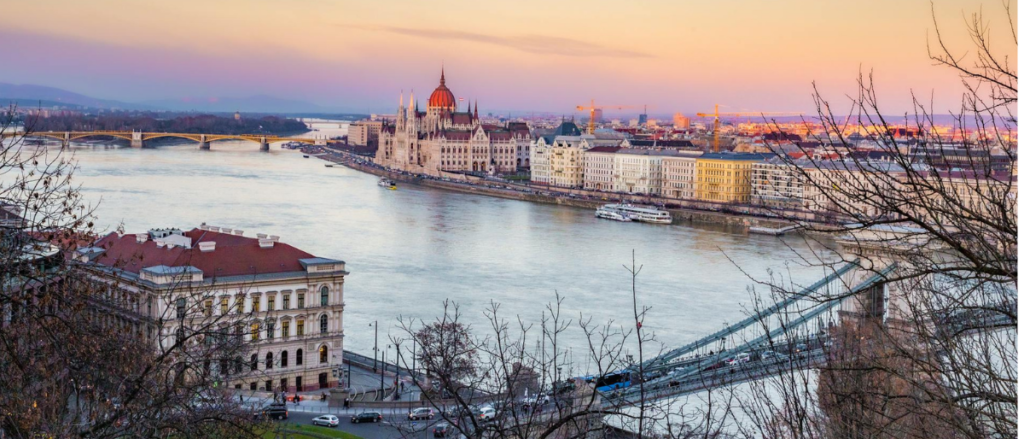
Along the banks of the Danube River, Budapest, the capital of Hungary, skillfully combines culture, history, and contemporary energy. From the majesty of the Parliament Building to the ancient Buda Castle located on Castle Hill, the city is renowned for its breathtaking architecture. You may take in expansive views of Buda and Pest by strolling across the famous Chain Bridge. Budapest is particularly well known for its thermal spas, like as the Széchenyi Thermal Bath, where guests can unwind in warm, mineral-rich waters. Evenings are equally memorable because of the city’s busy cafés, exciting nightlife, and quaint ruin bars. Visitors can get a complete cultural experience by strolling through old streets, sampling Hungarian food, and taking in music and art scenes. Budapest is a must-see location in Europe because of its distinctive blend of history, architecture, leisure, and entertainment.
15. Scandinavia Highlights
Scandinavia, which includes nations like Denmark, Sweden, and Norway, is renowned for its pristine cities, historic Viking past, and stunning natural beauty. Explore Norway’s breathtaking fjords, stroll through Copenhagen’s vibrant districts, or take in Lapland’s Northern Lights. From hiking in beautiful woods and skiing in snowy slopes to touring top-notch museums, castles, and medieval cities, Scandinavia provides the ideal fusion of natural pleasures and cultural encounters. Another element of appeal is added by the local cuisine, which includes traditional Scandinavian meals and fresh fish. Scandinavia is perfect for tourists looking for adventure and relaxation because of its contemporary cities, effective transportation, and friendly residents. Scandinavia offers a distinctive European experience that is unmatched by any other, whether you are looking for picturesque scenery, ancient culture, or energetic city life.
16. Barcelona Nights
Barcelona is a dynamic city where history, culture, and nightlife all coexist together. During the day, you may explore the architectural marvels of Sagrada Família and meander through the vibrant alleyways of Barri Gòtic, finding little cafés and secret plazas. The city becomes a bustling center of pubs, tapas eateries, and seashore loungers as the sun sets. Barcelona provides a variety of nightlife experiences to suit every taste, from contemporary cocktail hotspots to classic Spanish wine bars. In lively squares, locals and visitors congregate and enjoy late-night laughter, tapas, and music. Do not pass up the opportunity to sip sangria while taking in the Mediterranean sunset or enjoy a rooftop bar with a view of the city. Barcelona is a place where every evening feels like a celebration since it skillfully combines cultural discovery with an amazing nightlife.
17. Adventure and Views in Interlaken
Situated between Lake Thun and Lake Brienz and encircled by the breathtaking Swiss Alps, Interlaken is one of Switzerland’s most picturesque travel destinations. Known as Europe’s adventure capital, it provides exhilarating year-round sports like paragliding, skydiving, hiking, and skiing. The town itself is immensely serene, with stunning vistas of mountains, glistening lakes, and quaint Swiss architecture, even if you are not into adventure sports. Visitors can tour neighboring communities, take picturesque train rides, or just unwind and breathe in the crisp alpine air. Interlaken is a great starting point for exploring the area because it provides access to well-known mountain locations like Jungfraujoch. Interlaken is a must-visit location for tourists visiting Europe because it offers the ideal blend of both excitement and peace.
18. Explore Iconic Landmarks in London
A trip to London is like entering a live museum where centuries of history coexist peacefully with the present. You can begin your adventure at the medieval Tower of London, where stories of kings, queens, and intrigue come to life. After that, you can stroll over to see the Houses of Parliament and Big Ben. Beyond famous sites, London offers world-class food and shopping, lively neighborhoods like Camden and Notting Hill, and picturesque strolls along the River Thames. London offers a diverse and dynamic experience that never gets boring, regardless of your interests in history, culture, or contemporary city life.
19. Discover Ancient Wonders in Rome
Rome’s history is all around you, not only in museums, with famous sites like the Colosseum, where gladiators battled and antiquated shows came to life, and the Roman Forum, which was once the hub of political and social activity. Rome, however, is much more than its ruins. From busy piazzas and picturesque fountains to quaint neighborhood cafes where you can enjoy delicious pasta, decadent sauces, and classic espresso while observing inhabitants go about their daily lives, the city is teeming with lively culture. You may stop to take in centuries-old structures, toss a coin into the Trevi Fountain, or find a peaceful piazza hidden away from the crowds while meandering through winding cobblestone streets, all while experiencing the amazing fusion of the past and present. Rome offers a timeless experience that immerses you in both its history and its dynamic, alive culture; every place tells a story; every meal ties you to centuries of culinary tradition.
20. Romance and Culture in Paris
The City of Light, Paris, skillfully combines romance, culture, and history. The Eiffel Tower shimmers against the night sky as you stroll along the Seine River, and quaint bridges and riverfront cafés create the ideal setting for a romantic evening. With the magnificent Notre-Dame Cathedral serving as a witness to centuries of Gothic construction and the Louvre Museum housing timeless treasures like the Mona Lisa, the city is a veritable gold mine of art and history. You can find charming cafés, artisan stores, and the famous Sacré-Coeur Basilica with a view of the city while exploring Montmartre’s cobblestone alleyways. The experience is further enhanced by Parisian cuisine, which ranges from exquisite dinners in little bistros to rich cafés and buttery pastries. Whether you want to spend an afternoon in the Luxembourg Gardens, take a boat trip on the Seine, or just enjoy people-watching from a café terrace, every part of Paris beckons exploration. Romance, culture, and everyday beauty come together in Paris to create lifelong memories.
21. Clifftop Colors of Cinque Terre
Italy’s Cinque Terre is a breathtaking region of five vibrant communities situated along the untamed Ligurian coast. With pastel-painted homes tumbling down cliffs toward the glittering Mediterranean, each village—Monterosso, Vernazza, Corniglia, Manarola, and Riomaggiore—offers a unique charm. Hikers can enjoy beautiful paths that connect the villages, such as the well-known Sentiero Azzurro, which offers stunning views of the sea at every corner. In addition to hiking, visitors may explore winding cobblestone lanes lined with artisan stores, unwind on little beaches, and enjoy delicious seafood at seaside trattorias. Sunsets over the harbor produce memorable moments, and boat cruises offer a distinctive view of the cliffs from the water. Cinque Terre is the perfect location for tourists looking for adventure and relaxation in a picturesque seaside environment because it combines natural beauty, historic charm, and delicious Italian cuisine.
22. Discovering Cornwall
The southwestern part of England is home to Cornwall, a province known for its picturesque fishing villages, sandy beaches, and striking coastlines. Surfers, hikers, and photographers are drawn to its craggy cliffs and secret coves. While the Eden Project provides an intriguing floral experience beneath enormous glass biomes, St. Ives and Padstow highlight art, history, and regional cuisine. Ancient Cornwall legends, such as those about King Arthur and Tintagel Castle, give the region an ethereal quality. Long walks with expansive views of the ocean are encouraged by coastal trails, while fresh seafood and hearty Cornish pasties are served in charming taverns. Cornwall offers a tranquil yet exciting getaway, from surfing at Fistral Beach to touring charming harbors. Travelers looking for peace and discovery are drawn to this area because of its blend of natural beauty, cultural legacy, and laid-back beach appeal.
23. The Camino de Santiago
A popular pilgrimage path in Spain, the Camino de Santiago attracts tourists from all over the world for both physical and spiritual travel. From the French border to Santiago de Compostela, the most well-known path, the Camino Francés, winds past picturesque communities, undulating hills, and churches that date back hundreds of years. Along the trip, pilgrims stop at tiny markets, charming cafés, and albergues while carrying their backpacks. In addition to being an endurance test, the route offers a chance to meet other visitors, sample local food, and get a personal look at Spanish culture. From verdant forests to golden plains, every step offers contemplation, tranquility, and breathtaking scenery. As travelers have done for generations, arriving at the Santiago de Compostela Cathedral brings a deep sense of achievement. The Camino is more than just a stroll; it is a life-changing experience that combines spirituality, adventure, history, and self-discovery.
24. Peterhof Palace, Saint Petersburg
Just outside of Saint Petersburg, the Peterhof Palace—often referred to as the “Russian Versailles”—is a masterwork of Baroque design. The palace, which was commissioned by Peter the Great, is famous for its expansive gardens, elaborate interiors, and imposing exterior. The Grand Cascade, a complex fountain system with gilded statues, water jets, and terraced steps leading to the Baltic Sea, is the main attraction. After exploring lavish halls adorned with gold leaf, crystal chandeliers, and elaborate murals, guests can stroll through painstakingly designed gardens interspersed with smaller fountains, pavilions, and flower beds. With its stunning exhibition of art, architecture, and nature, Peterhof offers a window into the splendor of the Russian imperial past. While walking through the gardens enables tourists to fully appreciate the size and magnificence of this historic site, boat trips along the Gulf of Finland offer breathtaking views of the palace from the water. It is an exploration of the Romanovs’ opulent way of life.
25. Golden Horizons: Alicante’s Holidays
On Spain’s Costa Blanca, Alicante is well-known for its gorgeous beaches, pristine waters, and lively Mediterranean vibe. San Juan Beach, a longer stretch to the north, is suitable for water activities like windsurfing and paddleboarding, while Playa del Postiguet, in the center of the city, offers golden dunes and quiet waters ideal for swimming and sunbathing. Cafés, tapas bars, and gelaterias line beachside promenades, making them the ideal place to savor regional seafood and cool beverages. Nearby ancient sites like Santa Bárbara Castle, which overlooks the coast and provides expansive vistas, complement Alicante’s beaches. Alicante blends natural beauty, cultural charm, and leisure in one amazing coastal destination, whether you wish to unwind under the sun, take a stroll along the promenades adorned with palm trees, or immerse yourself in the vibrant nightlife close to the shore.
Klook.comWander Europe Without Worry
In general, traveling in Europe is pleasurable and safe, but a little awareness goes a long way. Pickpocketing is the most frequent problem that visitors encounter, particularly in crowded places like metro stations, well-known sites, and busy streets. Do not carry too much cash, keep your valuables in a safe bag, and do not put expensive things on display. Use caution when using public Wi-Fi, particularly for personal or banking accounts, as it might not be safe.
Europe’s first-rate transportation system makes getting about simple, but always remain vigilant, especially at night. On buses and trains, keep your possessions close at hand and stay in well-lit places. Make sure to lock your doors and pick lodgings with positive evaluations. Maintaining paper and digital duplicates of your crucial documents is also a good idea in case something gets misplaced.
Europe is very welcoming to female tourists, and many of them have little trouble traveling alone. Nevertheless, it is advisable to stay away from remote locations late at night and follow your gut in any awkward circumstance. Tell someone you trust about your plans, and be wary of individuals who come across as aggressive.
Additionally, keep in mind that 112 is the general emergency number for the majority of Europe. In the event of an emergency, you can contact the police, ambulance, or fire department at any time.
Finally, remember to get travel insurance. It may seem superfluous, but if something goes wrong—such as a medical emergency, misplaced luggage, or trip cancellations—it can save you a significant amount of money.
Your Guide to Staying in Europe
There are many affordable lodging options in Europe for all types of travelers. Here is a brief summary of some of my top picks for reasonably priced hostels and motels throughout the continent, however each nation and location has its own special options (discussed in comprehensive guides):
- Unite Hostel Barcelona (Barcelona, Spain)
- Hans Brinker Hostel (Amsterdam, The Netherlands)
- MIJE MARAIS Hostel (Paris, France)
- El Mirador (Alicante, Spain)
- Flaminio Smart Sleep (Krakow, Poland)
- Casa da Maria Alfama (Lisbon, Portugal)
- Ktima Zaxarias (Greece)
- Numa Prague Poise (Prague, Czechia)
- Nova Domizia (Rome. Italy)
- Ibsens Hotel (Copenhagen, Denmark)
- Handel’s Hotel (Dublin, Ireland)
- Hotel Leifur Eiriksson (Reykjavík, Iceland)
- Acorn Hotel (Glasgow, Scotland)
Europe Travel Budget
Accommodation
- Hostels (Best for Budget Travelers) – €20–40 per night
- Dorm beds: €20–40 per night
- Cheaper regions (Eastern Europe): €7–20 per night
- Private hostel rooms: €40–100
- Budget hotels: €50–100 per night
- Airbnb Private rooms: €45–75 per night
- Entire apartments: €75–150+
- Campsites: €10–40 per night
Accommodation prices may vary in Western Europe and Scandinavia.
Food & Drink
- Market lunch (street food / local stalls) – €10–18
- Pre-made sandwiches / bakery items – €6–14
- Sit-down restaurants (mid-range meal) – €20–45
- Casual take-out (pizza, kebab, etc.) – €12–25
- Fast food (e.g. McDonald’s combo) – €9–12
- Beer (0.5L in bar/restaurant) – €4–8
- Glass of wine – €4–8
- Cappuccino / latte – €2–5
- Bottled water (store vs tourist areas) – €0.5–3
- Groceries for a week (basic shopping) – €50–110
Food prices are generally higher across Western Europe and Scandinavia.
Explore Europe on a Budget: Practical Tips
While each country in Europe has its own unique ways to save, here are some practical, overall tips to help you keep your expenses low as you travel across the continent:
- Get a HostelPass – A HostelPass can give you discounted stays at selected hostels across Europe, helping you cut accommodation costs without sacrificing comfort. It’s especially useful if you’re visiting multiple cities and want consistent savings. Always compare the pass price with regular hostel rates to ensure it’s worth it.
- Rideshare – Using ridesharing platforms like BlaBlaCar can be cheaper than trains and more flexible than buses. You share fuel costs with drivers already heading your way, making it a budget-friendly and social way to travel. Booking early usually gives you the best options.
- Bus Travel – Long-distance buses are one of the cheapest ways to get around Europe. Companies like FlixBus offer low fares, especially if booked in advance. Overnight buses can also save you the cost of a night’s accommodation.
- Camp in Garden -Platforms like Campspace allow you to pitch a tent in private gardens for a small fee. It’s often cheaper than hostels and gives you a more local, relaxed experience. This works best in rural areas or smaller towns.
- Stay With Local – Platforms like Camp in My Garden allow you to pitch a tent in private gardens for a small fee. It’s often cheaper than hostels and gives you a more local, relaxed experience. This works best in rural areas or smaller towns.
- Cheap Fly – Budget airlines such as Ryanair and EasyJet offer cheap flights fares across Europe. Travel light and avoid extras like checked baggage to keep costs down. Flying midweek or at odd hours often gets you the cheapest tickets.
- Eat Local – Skip touristy restaurants and eat where locals do to save money. Street food, bakeries, and small family-run spots are usually cheaper and more authentic. Shopping at local supermarkets for simple meals can significantly reduce your daily food budget.
- Plan Before Start – Planning ahead helps you lock in cheaper flights, accommodation, and transport. Booking early often means better deals and more choices. Having a rough itinerary also prevents last-minute expensive decisions.
- Travel Off-Season – Visiting Europe during spring or autumn can save you a lot on flights and hotels. Prices drop significantly compared to peak summer months. You’ll also enjoy fewer crowds and a more relaxed experience.
- Use Free Activities – Many cities offer free walking tours, museum days, and public attractions. Parks, historic streets, and viewpoints cost nothing but still offer amazing experiences. Research free things to do in each destination before you go.
- Limit Tourist Extras – Skip overpriced guided tours and unnecessary add-ons. Many attractions can be explored independently for a fraction of the cost. Do your research and prioritize what’s truly worth paying for.
- Carry a Reusable Bottle – Europe has plenty of safe public drinking fountains. Carrying a reusable bottle saves money and reduces waste. It’s a simple habit that can cut daily expenses.
Best Time to Visit Europe
Europe is stunning all year long, but the ideal time to travel depends on your preferences—better weather, less tourists, or cheaper costs. Most people agree that the best months are spring (April to June) and fall (September to October). During these shoulder seasons, the weather is beautiful, tourist destinations aren’t packed, and accommodation and airfare expenses are often lower than peak summer.
Summertime (July to August) is ideal for festivals, beach vacations, and city exploration because of its mild weather and extended daylight hours. But it is also the most costly and congested period, particularly in well-known locations like Paris, Rome, and Barcelona. If you are traveling in the summer, you must make reservations in advance.
With snow-covered scenery and Christmas markets, winter (November to March) can be a magical season, especially in Northern and Central Europe. Flight and accommodation rates are frequently the lowest, however outdoor activities may be impacted by cold weather, and certain sites may have limited hours.
Late spring or early autumn is typically your best option if you want a combination of reasonable prices, pleasant weather, and controllable crowds. You may pleasantly enjoy Europe over these months without going over budget or feeling pressed for time.
Start Your Trip Now!
These are the businesses I prefer to use when traveling. When I need to make reservations for a flight, hotel, tour, train, or to meet someone, they are the first place I go!
- Trip.com – The best spot to begin your search for a trip. Finding inexpensive flights for Europe travel is simple thanks to flexible date tools and unbeatable price comparisons.
- Aviasales – Relentless in finding you the lowest price. Aviasales scans tons of agencies and budget carriers, giving you smart filters and price history graphs to spot the best time to book.
- TravelUp – A UK-based favorite for slashing flight costs. Travelup combines competitive pricing with a huge inventory of airlines, making it a go-to for value hunters.
- Expedia – From flights to vacation packages, Expedia has you covered. A massive inventory of hotels and airlines makes it easy to plan your entire trip in one place.
- Viator – Tours, activities, and attraction tickets made simple. Viator lets you browse millions of reviews, book instantly, and explore with confidence anywhere in the world.
- Klook – Big experiences, small prices. Klook specializes in discounted tickets and exclusive deals on popular attractions, making it a go-to for budget-savvy explorers.
- Get Your Guide – Book now, pay later, cancel anytime. GetYourGuide takes the stress out of planning with flexible options and a massive selection of things to do, curated for every type of traveler.
- Localrent – Rent a car from someone who actually knows the area. Localrent offers competitive rates, free cancellation, and 24/7 support—all while supporting local businesses.
- SafetyWing – Travel medical insurance built for the modern nomad. SafetyWing offers affordable, flexible coverage that kicks in after your domestic insurance runs out—perfect for remote workers and long-term travelers.
- Compensair – Got a delayed or cancelled flight? Compensair fights for your money back. They handle the hassle of claiming EU flight compensation so you get paid—only charging a fee if you win.
- Ektatraveling – Travel with peace of mind. ektatraveling offers comprehensive insurance options to protect your trip—covering cancellations, medical emergencies, and lost luggage from the moment you book.
- Tide – Smart spending for business travelers. The Tide Travel Card lets you manage multi-currency expenses effortlessly, with no foreign transaction fees and seamless integration with your Tide business account.