
How to Stay Safe Abroad: A Guide to Avoiding Travel Scams
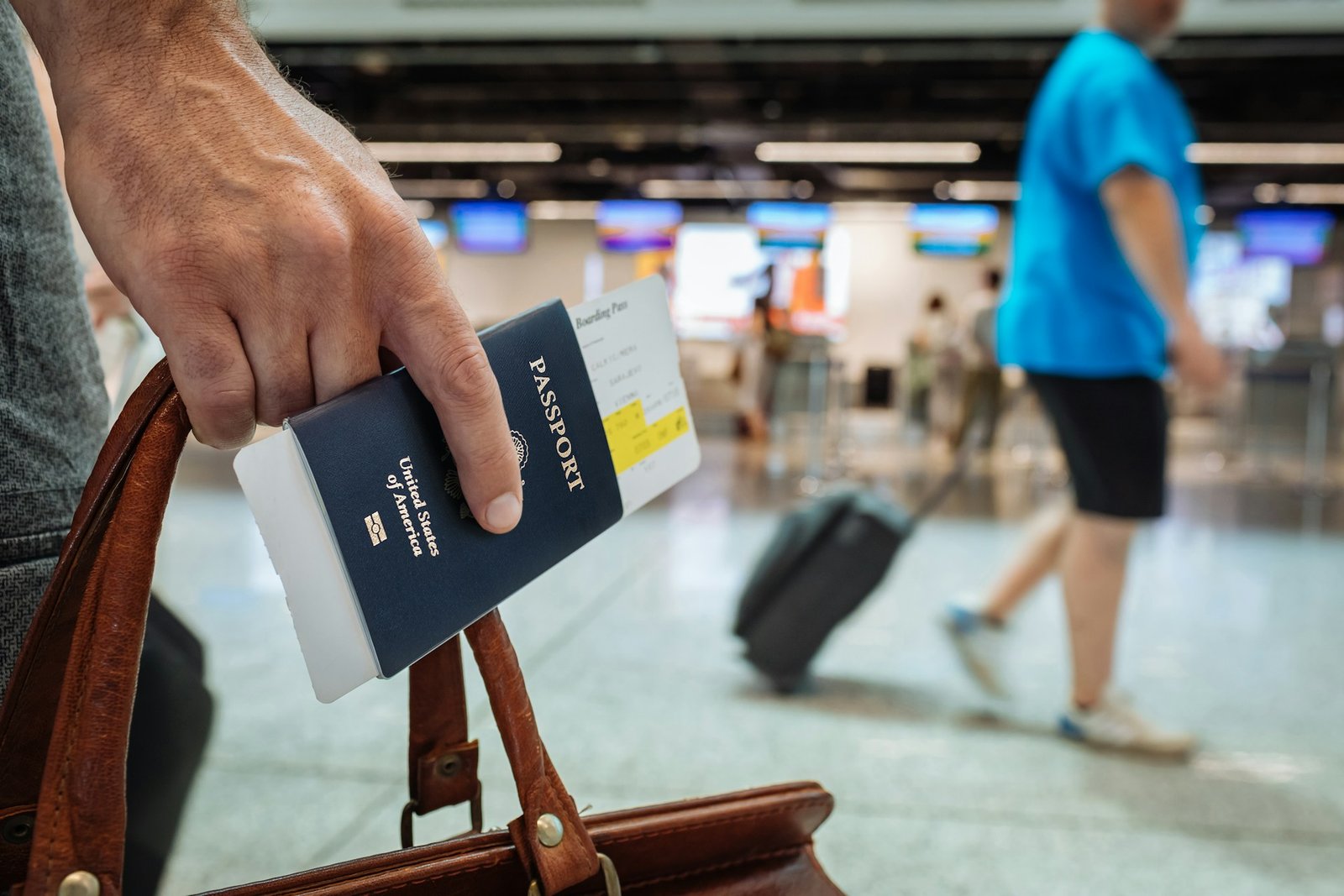
There is nothing more enjoyable than exploring new locations. But for a journey to be stress-free, mindfulness is essential. Your first priority should always be to travel safely. This is true whether you are browsing bustling marketplaces or relaxing on a quiet beach.
The goal of this comprehensive guide is to assist you in recognizing and avoiding typical travel scams. Gullible visitors are often the target of these scams. By being ready for the difficulties of going overseas, you can protect both your possessions and your tranquility.
We want your trip to be worry-free. Savor every moment of your journey. Let us examine some practical ways to keep yourself secure while taking in the beauty of the world.
Key Takeaways
- Prioritize situational awareness in crowded tourist areas.
- Keep your valuables secure and out of sight at all times.
- Research common local tricks before arriving at your destination.
- Trust your instincts if a situation feels uncomfortable or forced.
- Use official transportation services to avoid unauthorized operators.
Understanding the Psychology Behind Travel Scams
Most travel scams exploit the natural vulnerability of being in an unfamiliar place. When you arrive in a new country, your brain is often overwhelmed by new sights, sounds, and cultural norms. This mental fatigue makes it harder to spot potential threats, which is why prioritizing safe travel is essential from the moment you land.
Why Tourists Are Prime Targets
For a number of reasons, scammers view travelers as easy prey. First, tourists frequently lack local knowledge. You might not know how to distinguish a legitimate company from a cunning fraud. You may not be aware of the reasonable cost of a taxi. It is also possible that you are not familiar with street conversations in the area.
Scammers also believe vacationers have additional cash. Since you are on vacation, you probably have more cash or credit cards than a local. This is exploited by scammers. They concentrate on those who appear preoccupied. They also go for those who are very eager to have a “genuine” experience.
Common Tactics Used by Scammers
You need to be aware of the psychological triggers that criminals employ to control your behavior if you want to successfully escape tourist traps. They frequently decrease your defenses by instilling a sense of urgency or by being overly amiable. You can spot these trends before they get worse by remaining vigilant.
Common psychological tactics include:
- The Distraction Ruse: Creating a sudden commotion to divert your attention while an accomplice picks your pocket.
- The False Authority: Pretending to be a police officer or official to demand a “fine” for a fake violation.
- The Overly Friendly Local: Offering unsolicited help or tours to build false trust before leading you to a high-priced shop.
Becoming highly aware of travel scams is your best line of defense. Fraudsters simply take advantage of your desire for a seamless trip. Once you realize this, you can approach encounters with a healthy amount of suspicion. Stay grounded and observant. This allows you to enjoy your journey without becoming a victim of these frequent tactics.
Pre-Trip Preparation to Minimize Risk
Smart planning and well-informed decision-making are the cornerstones of international travel safety. You build a safety net that will keep you safe on your trip if you take the time to arrange your things before you go. You can enjoy your trip instead of worrying about possible security risks if you plan ahead.
Researching Destination-Specific Warnings
Before you board your flight, it is vital to understand the environment of your destination. Start by checking official government travel advisories for the latest updates on local customs, political stability, and common security concerns. Knowledge is your best defense against unexpected challenges.
Consider these essential steps to stay informed:
- Review official government travel alerts for your destination.
- Research local laws to avoid unintentional legal issues.
- Identify the location of your nearest embassy or consulate.
- Learn basic phrases in the local language to navigate social situations more easily.
Setting Up Secure Financial Accounts
Preventing travel fraud starts with managing your funds. Before you go, let your bank know the dates and places of your trip. By doing this, your cards will not be reported for questionable activity. Setting up real-time notifications for each transaction is also a smart idea. This makes it easier for you to keep an eye on your accounts.
Keeping your travel documentation up to date is equally important. You can prevent identity theft by using digital backups. Keep copies of your emergency contacts, insurance policies, and passport in an encrypted cloud service. If your actual possessions are lost or stolen, having these backups ensures a prompt recovery.
Navigating Transportation and Airport Traps
It takes a keen eye to avoid traps and protect your belongings in crowded transit stations. These areas are often chaotic. This makes them ideal for people looking to exploit tired or confused tourists. You can ensure a safe arrival by following basic safety guidelines.
Avoiding Unofficial Taxi Services
Unlicensed taxi drivers are a common risk at airports. These individuals often approach you inside the terminal. They offer rides at prices that seem fair but are usually very high. Always go straight to the official taxi stand. You can also use a reliable ride-sharing app meant for that airport.
Identifying Fake Airport Personnel
Scammers may pose as airport staff or security to win your trust. They might claim there is a problem with your bags or papers to distract you. Remember that official employees always wear branded uniforms. They will also carry clear identification badges.
| Feature | Official Transport | Unofficial Transport |
|---|---|---|
| Pricing | Metered or Fixed | Negotiated / Inflated |
| Location | Designated Taxi Stand | Unsolicited Approach |
| Identification | Visible ID and Uniform | None or Fake |
| Safety | Regulated and Tracked | High Risk |
Export to Sheets
Protecting Your Finances While Traveling
Safeguarding your hard-earned money is essential for any tourist. Effective money management ensures safe banking overseas. It also prevents financial theft. Follow these safety guidelines to keep control of your cash.
Safe ATM Usage Practices
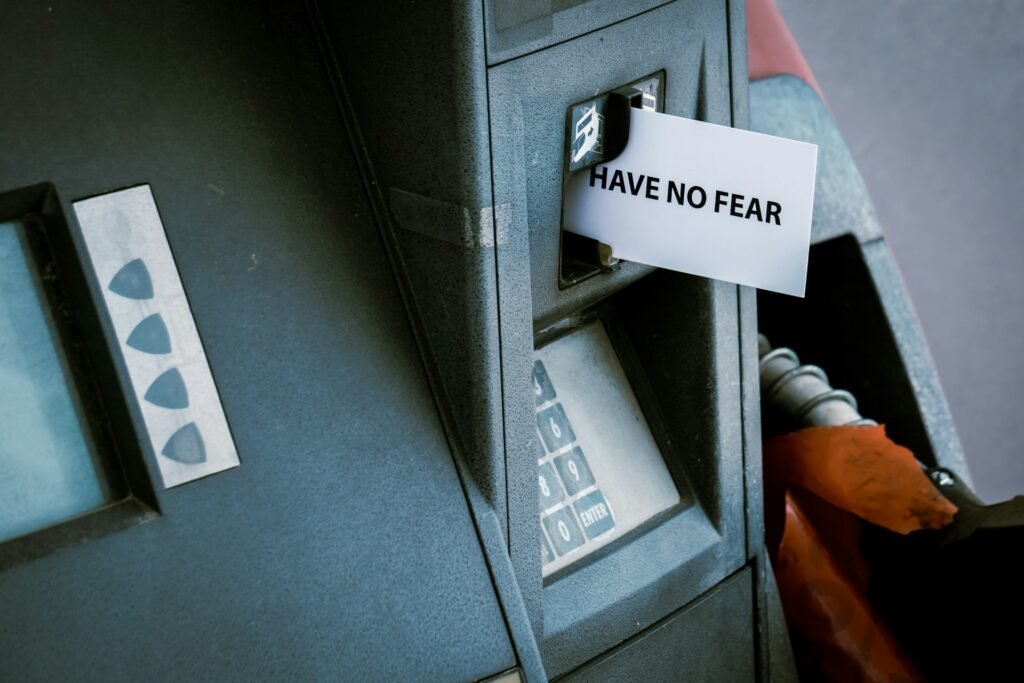
Choose ATMs inside reputable bank offices when you need money. These locations are usually watched by security cameras. They are also less likely to have tampering devices on the card slots. Always cover the keypad with your hand when entering your PIN. This prevents hidden cameras from recording your code.
Handling Currency Exchange Scams
Currency conversion scams are common in busy areas. Watch out at train stations, airports, and tourist plazas. Scammers may offer “zero commission” rates. However, they often hide the cost in poor exchange rates. Always check the official daily rate on your phone before visiting a booth.
Common Travel Scams You Must Recognize
Exploring a new city is exciting. However, it also exposes you to schemes designed to steal your money. You can identify risks early by understanding these safety guidelines. Staying alert is your best defense.
The Classic Distraction Techniques
Scammers often work in groups. They create sudden, chaotic scenes to divert your focus. Someone might spill a drink on you. Others might point out a fake stain on your clothes. Meanwhile, an accomplice reaches for your wallet. Always keep your hands on your belongings during a disturbance.
The Fake Police Officer Ruse
In some areas, scammers pretend to be plainclothes police officers. They may ask to check your wallet or passport. They often claim to be searching for counterfeit money or illegal drugs. Never hand over your wallet to someone who cannot show official, verified ID. Keep your funds secure.
The Trap of Friendship and Hospitality
A friendly local may offer to show you a hidden gem. They might invite you for a drink at a “unique” bar. This is often a setup. You may be hit with an outrageous bill or forced to buy pricey goods. Be cautious of uninvited offers. Always maintain firm boundaries.
Digital Safety and Public Wi-Fi Risks
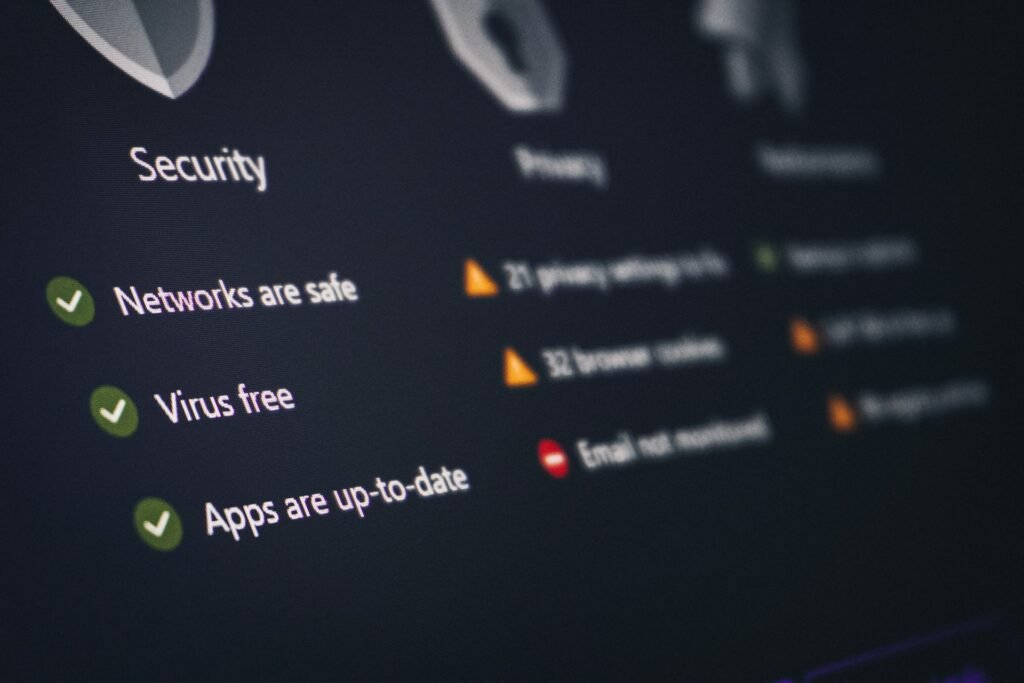
Securing your digital life is vital. It is just as important as locking your hotel room door. Cybercriminals search for easy ways to steal your data. They often use unsecured networks to access your personal information. Stay vigilant when connecting online.
Securing Your Devices Before Departure
- Update your software to patch known security holes.
- Use strong, unique passwords and a reputable password manager.
- Enable two-factor authentication for an extra layer of protection.
- Install a reliable VPN to encrypt your internet traffic.
Accommodation and Booking Fraud
Finding the perfect place to stay requires a careful eye to avoid sophisticated online scams.
Verifying Rental Listings
When you browse platforms like Airbnb or VRBO, always look for verified host badges and detailed reviews. Never communicate or pay outside of the official booking platform. Scammers often try to move conversations to private messaging apps to bypass security protections.
“Trust is the currency of the travel industry, but verification is the shield that protects your wallet from those who seek to exploit it.”
What to Do If You Become a Victim
When a trip takes an unexpected turn, having a clear plan of action is your best defense. Documenting everything is vital for your peace of mind and for insurance purposes. Keep a record of the time, location, and details of the event.
Reporting Incidents to Local Authorities
If you are targeted by criminals, you should report the incident to the local police immediately. Obtaining a police report is often a mandatory requirement for insurance companies to process your claim.
Contacting Your Embassy or Consulate
In the event of a major emergency, your main resource is the embassy or consulate in your home country. If you are in a dire financial situation or lose your passport, they can offer vital assistance. The contact details for the closest embassy should always be stored on your phone.
Conclusion
When you put your personal protection first, your next international journey provides a world of exploration. A proactive approach that transforms preparedness into peace of mind is necessary to stay safe overseas. Your greatest weapon against those who prey on gullible tourists is still awareness.
Travel scams nowadays change rapidly, but your dedication to alertness puts you ahead of the game. Throughout the trip, keep your digital gadgets safe and your financial records safe. Savor every second of your journey with the knowledge that you are well-prepared for what lies ahead.