
How to Plan a trip – Complete Guide
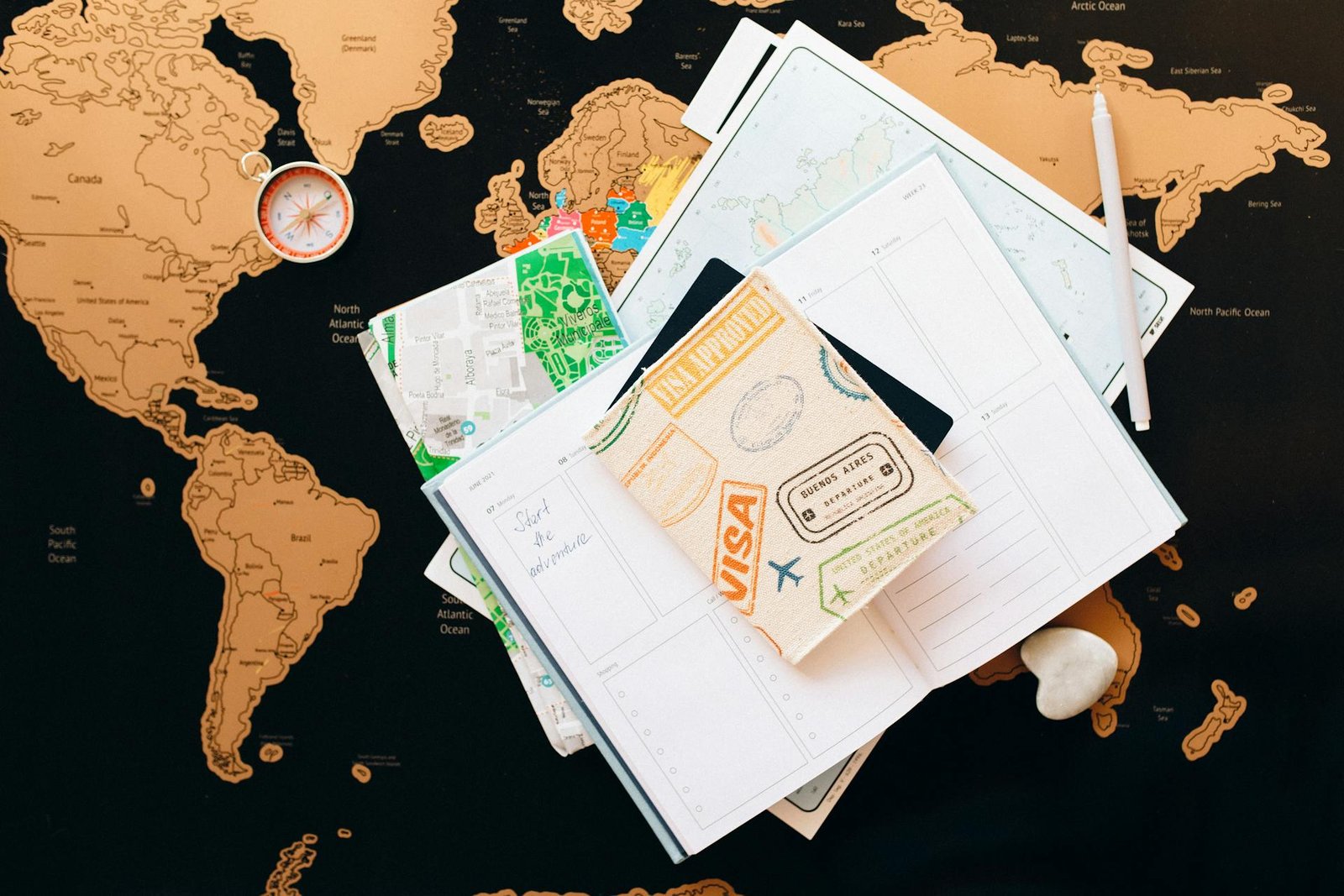
When there are so many choices to select, organizing a trip might seem like a huge undertaking. Every stage of the process, from picking the ideal location to controlling your spending and planning your daily schedule, is crucial in determining how your trip turns out. The good news is that you can arrange a trip that is easy, pleasurable, and unforgettable if you have a clear strategy and a careful approach.
You will be guided through every step of the how to plan a trip process by this comprehensive handbook. These useful suggestions can help you stay prepared, save money, and travel with confidence whether you are organizing a quick vacation or a lengthy international trip.
Start with a Clear Travel Vision
Prior to making reservations and conducting research, pause to clarify your travel goals. Consider what you really hope to get out of this vacation. Are you hoping to unwind, discover other cultures, sample various foods, or embark on an adventure? Every choice you make in the future will be guided by your mission.
For instance, you might like peaceful rural getaways or seaside locations if you value relaxation. However, major cities and cultural centers will be more appropriate if you appreciate learning about architecture and history. You can prevent uncertainty later if you have clarity now.
It is crucial to consider your travel preferences as well. While some people like slow travel and spend more time in fewer locations, others prefer a fast-paced plan with several trips. Knowing your preferences guarantees that your trip will live up to your expectations.
Research and Choose the Perfect Destination
One of the most thrilling aspects of trip planning is selecting the ideal location, but it also calls for meticulous thought. Make a selection of locations that fit your interests and price range first. Then evaluate them according to variables like accessibility, safety, cost, and weather.
Your experience is greatly influenced by the weather. You may completely enjoy outdoor activities and comfortable conditions when you travel during the finest season. On the other hand, you can escape crowds and save money by going during the shoulder or off-season.
Researching the language, customs, and culture of the area is also crucial. You may improve your experience and build relationships with locals by being aware of basic politeness. To prevent last-minute problems, confirm entry requirements and visa requirements well in advance.
Set a Detailed and Realistic Budget
One of the most important aspects of vacation preparation is creating a budget. Having a well-thought-out budget will help you manage your spending and avoid financial strain while traveling. Estimate the main expenses first, such as airfare, lodging, meals, transportation, activities, and travel insurance.
To monitor your spending, divide your budget into daily spending caps. This strategy guarantees you do not overspend early in the trip and lets you modify your spending if necessary.
Include an emergency fund in your budget at all times. Having extra money gives you peace of mind because unforeseen costs like medical bills, delays, or misplaced items might happen.
Traveling during off-peak times, making reservations in advance, and using flight and hotel comparison tools can all help you save money. Your total cost can be considerably decreased by making small reductions in several areas.
Decide the Best Time to Travel
Your vacation might be greatly impacted by timing. Depending on when you come, the same location may provide very distinct experiences. Consider the weather, holidays, and tourist seasons while determining the ideal time to travel.
The best weather is typically seen during peak seasons, but there are also more people and greater costs. Traveling during the off-season is more affordable, but there may be fewer activities or erratic weather. Shoulder seasons frequently offer the ideal ratio of experience to price.
Finding more affordable flights and lodging can also be facilitated by being flexible with your travel dates. In general, midweek travel is less expensive than weekend travel.
Book Flights Strategically
Booking flights carefully can result in significant financial savings because they are frequently the most costly aspect of a vacation. Set alerts to track changes in fares and begin by comparing costs on other platforms.
You can locate more affordable solutions if you are flexible with your departure and return dates. Costs can also be decreased by flying at less busy times, like early in the morning or late at night.
If there are other airports, take them into consideration as they can have cheaper rates. Budget airlines are also an excellent choice, but before making a reservation, make sure to check the baggage restrictions and any additional costs.
It is always advised to reserve flights in advance, particularly when traveling abroad. However, if you are adaptable and prepared to take a chance, you can occasionally find last-minute savings.
Select the Right Accommodation
For a journey to be comfortable, picking the correct lodging is crucial. There are many different types of lodging, such as hotels, guesthouses, hostels, and vacation rentals. Your decision should be based on your tastes, travel style, and budget.
One of the most crucial elements is location. Time and money can be saved by staying close to popular sites or public transportation. The convenience usually justifies the slightly higher expense of lodging.
Before making a reservation, thoroughly read reviews. They offer insightful information on service quality, safety, and cleanliness. Instead of concentrating on a single review, look for consistent feedback.
If you are on a tight budget, you might want to think about living a little outside of the city center or in shared accommodations. These choices can save you a lot of money without sacrificing your experience.
Plan Your Daily Itinerary Thoughtfully
You may maximize your trip without feeling overburdened by planning a well-balanced agenda. Make a list of all the locations and things you wish to do. Next, arrange them according to priority and location.
Do not strive to accomplish too much in one day. Having too much on your plate might wear you out and make you less happy. Instead, give space for unpredictability and concentrate on a few significant events each day.
Incorporate a variety of pursuits, including leisure, sightseeing, and cultural encounters. This harmony keeps your journey engaging and pleasurable.
Investigating opening hours, ticket requirements, and travel times between locations is also a smart idea. Time can be saved and needless worry can be avoided by preparing these facts ahead of time.
Pack Efficiently and Smartly
Although it is frequently overlooked, packing is essential to your trip. Create a list of necessities based on your location and travel time.
Bring a variety of clothes that you may mix and match. This allows you to have a variety of wardrobe options while using less items. When packing, always take the weather and scheduled activities into account.
Keep valuables, prescription drugs, and travel documents in your carry-on bag. This guarantees that you will always have access to them.
Do not pack too much because it can make traveling more challenging. You can travel with greater flexibility and ease if your bag is lighter.
Prepare Travel Documents and Insurance
Prior to your journey, make sure all of your travel paperwork are in order. Verify that your passport is valid and that it satisfies the requirements of your destination.
If necessary, apply for visas well in advance. Your trip plans may be impacted by delays, and certain nations have stringent admission requirements.
It is strongly advised to get travel insurance. It covers unforeseen circumstances like misplaced luggage, medical emergencies, and trip cancellations. Having insurance shields you from monetary loss and gives you piece of mind.
Make copies of all critical documents, such as your passport, tickets, and travel insurance information, both digitally and physically.
Manage Money and Payments Wisely
You can avoid needless worry by managing your money well while traveling. To prevent problems with your cards, let your bank know about your trip schedule.
For flexibility, keep both cash and credit cards on hand. Cash is still helpful for minor purchases at local markets, even though cards are widely accepted in many locations.
Currency exchange rates are typically higher at airports, so stay away from them. Use trustworthy exchange providers or nearby ATMs instead.
You can also save money by using debit or credit cards that are suitable for travel and have minimal international transaction fees.
Stay Connected and Ensure Safety
It is crucial to be connected while traveling for emergencies, communication, and navigation. Think about purchasing an overseas data package or a local SIM card.
Safety ought to come first at all times. Learn about typical scams and places to stay away from by researching your vacation. Keep an eye on your surroundings and make sure your possessions are safe. Use caution when utilizing public Wi-Fi networks and refrain from disclosing too much personal information to strangers.
It is also a good idea to share your trip schedule with someone you can trust back home. In an emergency, it guarantees that someone is aware of your location.
Experience the Destination Like a Local
To make your trip truly memorable, try to experience the destination like a local. Explore neighborhoods beyond tourist hotspots and try authentic local food.
Using public transportation instead of taxis can give you a more realistic view of daily life. Visiting local markets, attending cultural events, and interacting with residents can enrich your travel experience.
Being open to new experiences often leads to unexpected and unforgettable moments.
Capture Memories Without Missing the Moment
While it’s natural to want to document your trip through photos and videos, it’s important to stay present. Constantly focusing on capturing content can take away from the experience itself.
Take time to enjoy your surroundings, engage with people, and fully immerse yourself in the moment. You can also keep a travel journal to record your thoughts and experiences in a meaningful way.
Reflect and Learn After Your Trip
Once your trip is over, take time to reflect on your experiences. Think about what you enjoyed the most and what you would do differently in the future.
This reflection helps you become a better traveler and makes planning future trips easier. You can also share your experiences through blogs, reviews, or social media to help others plan their journeys.
………………………………
Effective travel planning is a useful skill that gets better with practice. You may save money, lessen stress, and have a trip that lives up to your expectations by taking a methodical approach.
Every stage of the process, from establishing your travel objectives to controlling your spending and seeing your destination, adds up to a successful trip. Maintaining organization while allowing for flexibility and spontaneity is crucial.
Your trip can become more than just a holiday with careful planning; it can become a collection of significant events and enduring memories. Make your vacation aspirations a reality by starting the planning process now.
Some of the links on this website are affiliate links, which means we may earn a small commission if you click on the link and make a purchase or booking at no additional cost to you. These commissions help support our website and allow us to continue providing useful travel content, guides, and recommendations.