
Best European Destinations to Visit: The Ultimate Guide
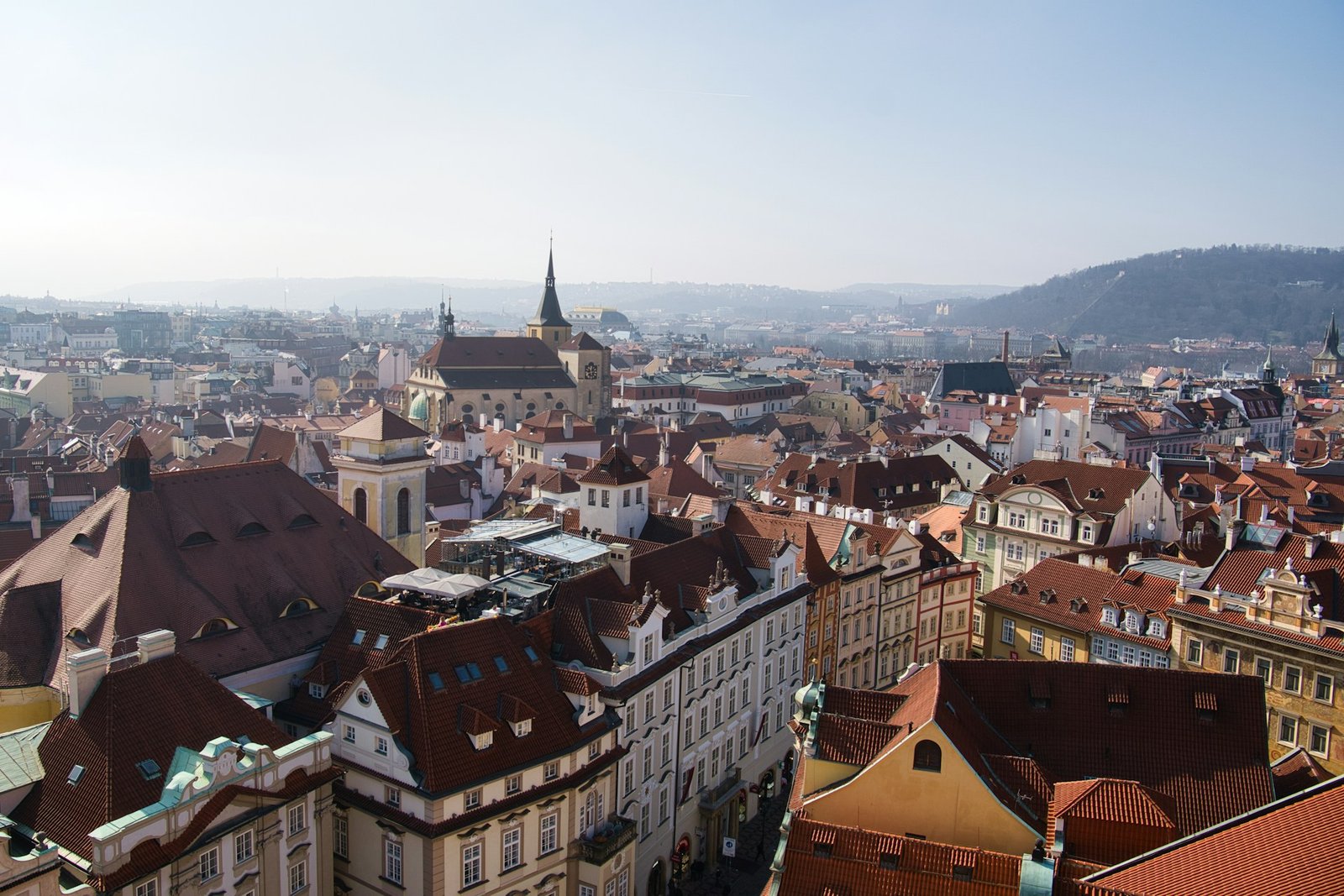
When people ask me for advice on the best european destinations, I usually start by telling them about the years I spent wandering through ancient alleyways and sitting in quiet cafés watching the world go by. After countless miles on the road, making every mistake in the book and discovering hidden gems along the way, I’ve realized that Europe isn’t just a continent—it’s a collection of moments that take your breath away.
I’ve put this guide together because I’m constantly asked the same question: “Where should I go?” These are the top places in Europe that I genuinely believe every traveler should experience at least once.
From world-famous landmarks to quiet spots tucked off the beaten path, every location on this list is here for a reason. Whether you are planning your first trip or your tenth, these are the best european destinations to help you find something truly unforgettable.
Helsinki, Finland
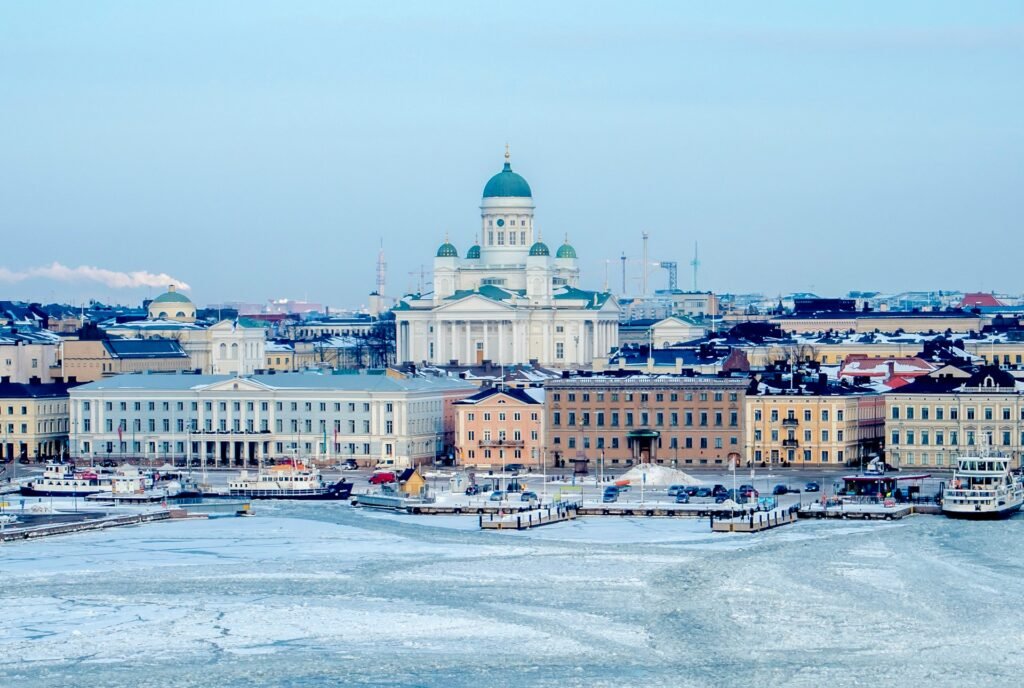
I expected a chilly, peaceful city when I arrived in the winter. However, warmth—not in temperature but in spirit—was what I discovered. In fact, something unique has been mastered by the Finns. They refer to it as sisu: quiet fortitude and silent happiness.
Because of this, Helsinki is one of the best european destinations for travelers looking for something new. Unlike other European capitals, it does not shout for attention. Instead, it waits for you to discover it.
The city sits on the Baltic Sea. As a result, the shoreline is dotted with islands. Moreover, ferries transport both residents and visitors. For instance, during summer, the sun hardly sets. In winter, the city glows with candlelight and cozy cafes.
Similarly, Finland’s story is told through its architecture. For example, the white cathedral dominates the skyline. Meanwhile, Temppeliaukio Church is carved into solid rock. Additionally, the Design District showcases Finnish innovation—simple, functional, and exquisite.
Now, sauna culture is everywhere. This is where I had my first traditional sauna experience. Afterward, I jumped into freezing water. Honestly, it was terrifying and wonderful. But this is how Finns unwind. Eventually, I understood why.
Ultimately, what makes Helsinki one of the top places in Europe is its balance. You get city and nature together. For example, forests are a tram ride away. Likewise, the archipelago is at your doorstep. Yet the food scene is exciting. Also, the design is world-class. Above all, the people are genuinely kind.
So no, it is not flashy. And it does not try to impress. But that is exactly what makes it unforgettable.
Insider tip: Skip the tourist restaurants and eat salmon soup at the Old Market Hall, then take the public ferry to Suomenlinna fortress—your transport pass covers the ride.
Rome, Italy
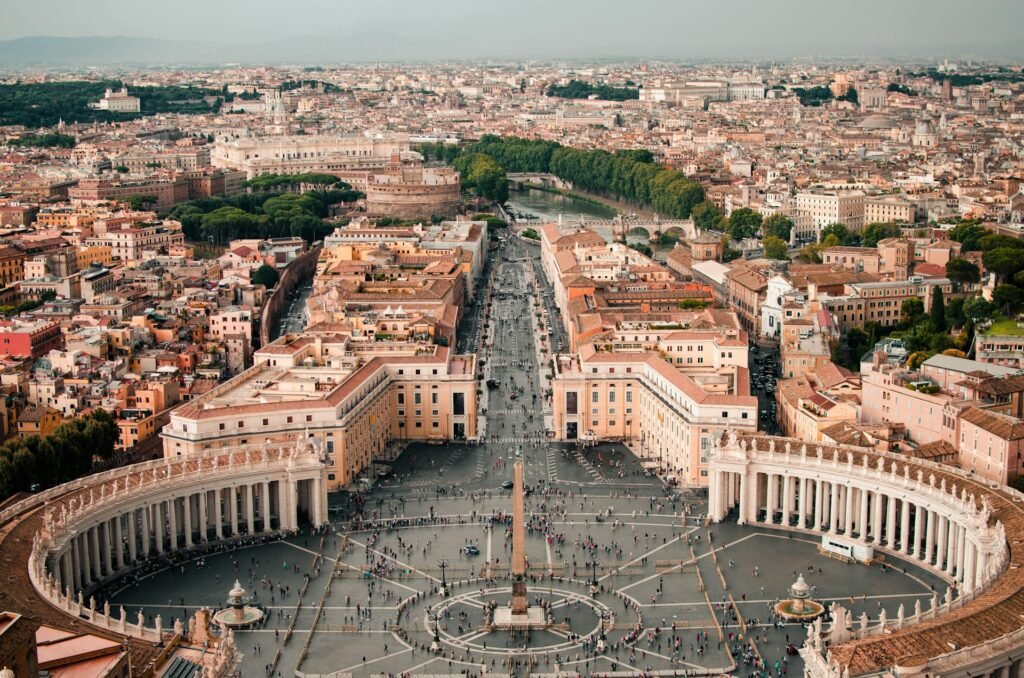
Rome stops you in your tracks.
I remember my first visit clearly. Turning a corner, there it was—the Colosseum. After seeing photos my whole life, nothing prepared me for the real thing. The scale. The history. The feeling that you are walking through layers of time.
Because of this, this city is one of the best european destinations for history lovers. In fact, every street tells a story. For instance, the Roman Forum sits at the heart of the ancient world. Similarly, the Pantheon has stood for nearly two thousand years. Meanwhile, the Vatican houses art that defines Western civilization.
But Rome is not just about the past. Instead, it feels alive, chaotic, and noisy—and somehow, absolutely magical.
Now, the food alone makes it worth the trip. For example, simple pasta dishes taste like nothing you have ever eaten. Likewise, pizza here will ruin pizza anywhere else. And gelato? It is practically its own food group.
So what makes Rome one of the top places in Europe is how it makes you feel. Take the Trevi Fountain, for instance. Throw a coin in. Then, get lost in Trastevere’s narrow streets. Above all, sit at a café and simply watch the city move around you.
I have been back five times, and I will go again. Ultimately, Rome stays with you long after you leave.
Alicante, Spain
I arrived expecting just another Spanish coastal city. But what I found was something special.
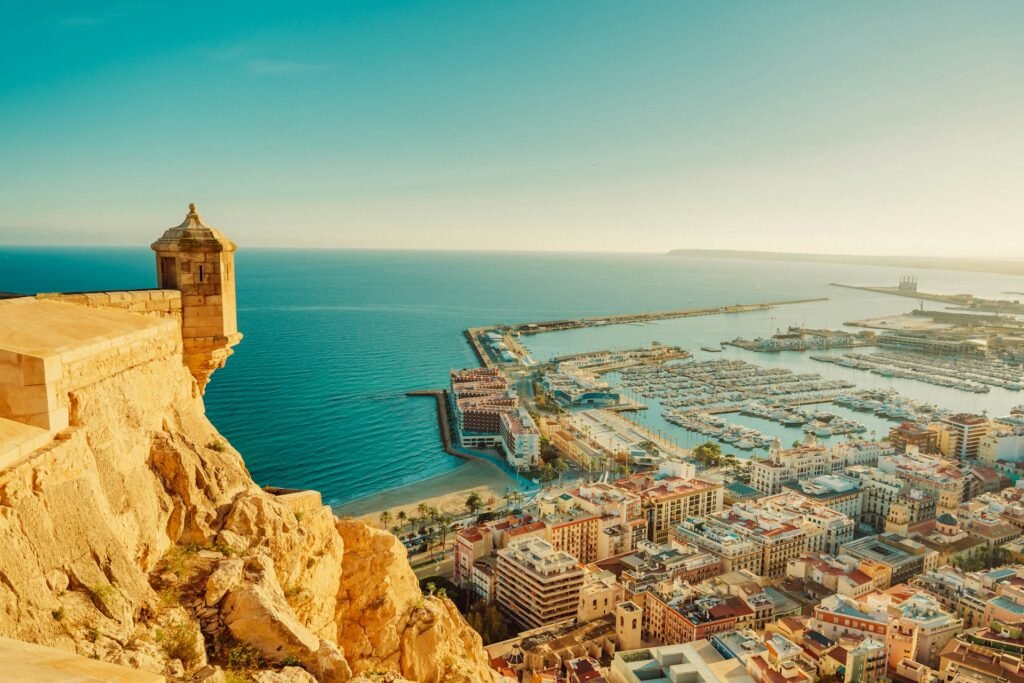
The Mediterranean stretches out in brilliant blue. Meanwhile, the castle watches over everything. And the city moves at its own unhurried rhythm—one that immediately made me slow down.
First, the Castillo de Santa Bárbara sits on Mount Benacantil. In fact, it has stood there for over a thousand years. From the top, the views are spectacular. You see the city below, the coastline curving away, the sea meeting the sky. And the best part? The elevator to get up there is free.
Old Town Charm and Seaside Promenades
Next, the old town, El Barrio, winds up the hillside. Here, streets are narrow. Likewise, buildings are whitewashed. Meanwhile, restaurants spill onto cobblestone plazas. I spent an evening there eating fresh seafood, drinking local wine, and watching families do the same. Honestly, it felt authentic. Above all, it felt like real Spain.
Then there is the Explanada de España, the city’s famous promenade. It is lined with palm trees. What makes it unique? The pavement is made of 6.5 million marble tiles arranged in a stunning waving pattern. Walking there feels like strolling through art.
Why Alicante Belongs on Your List
So what makes Alicante one of the best travel destinations for a slower pace? It is all about balance. You get beach, history, and excellent food. But you also get space. Unlike some Spanish coastal towns, it is not overrun.
Now, the food scene surprised me. For starters, Alicante is the home of rice dishes. In fact, paella started here. But the local specialty is arroz a banda—rice cooked in rich fish stock. It is simple and perfect. Honestly, I still think about that meal.
Additionally, the city is affordable. For example, hotels near the beach are reasonable. Similarly, meals cost less than in Barcelona or Madrid. And wine is cheap and good.
Finally, Alicante is also a gateway. For instance, the Costa Blanca stretches in both directions. Here, hidden coves are a short drive away. Likewise, the island of Tabarca is a quick boat ride from the port.
If you want Mediterranean beauty without the crowds, this is your place. It is relaxed, welcoming, and stays with you.
Lisbon, Portugal
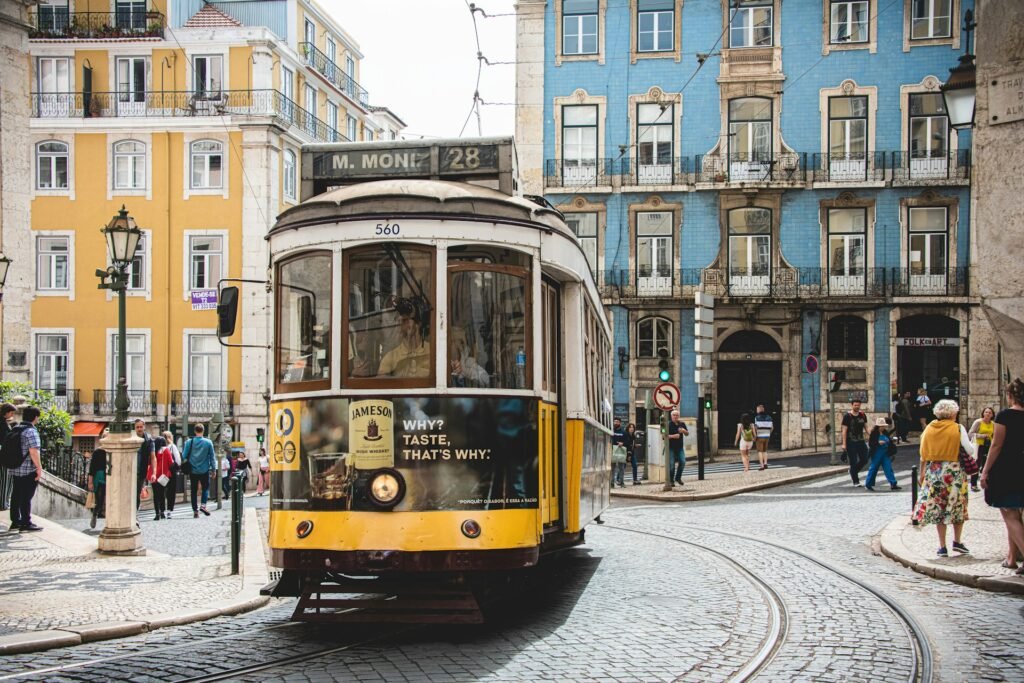
Lisbon surprised me more than any city in Europe.
I did not know what to expect. What I found was a city of hills and golden light. The sun here is different. It casts a warm glow that makes everything look better. Tiles on buildings shimmer. The Tagus River sparkles.
Lisbon is built on seven hills, so views are everywhere. Miradouros, or viewpoints, dot the city, and Tram 28 winds through historic neighborhoods. Below the castle, the Alfama district is a maze of narrow streets where Fado music drifts from doorways.
The food scene has exploded. Seafood is exceptional. Pastéis de nata, the custard tarts, are worth the trip alone. And compared to Western Europe, Lisbon is affordable. It is welcoming, beautiful, and easily one of the best Europe destination for value and charm combined.
Prague, Czech Republic
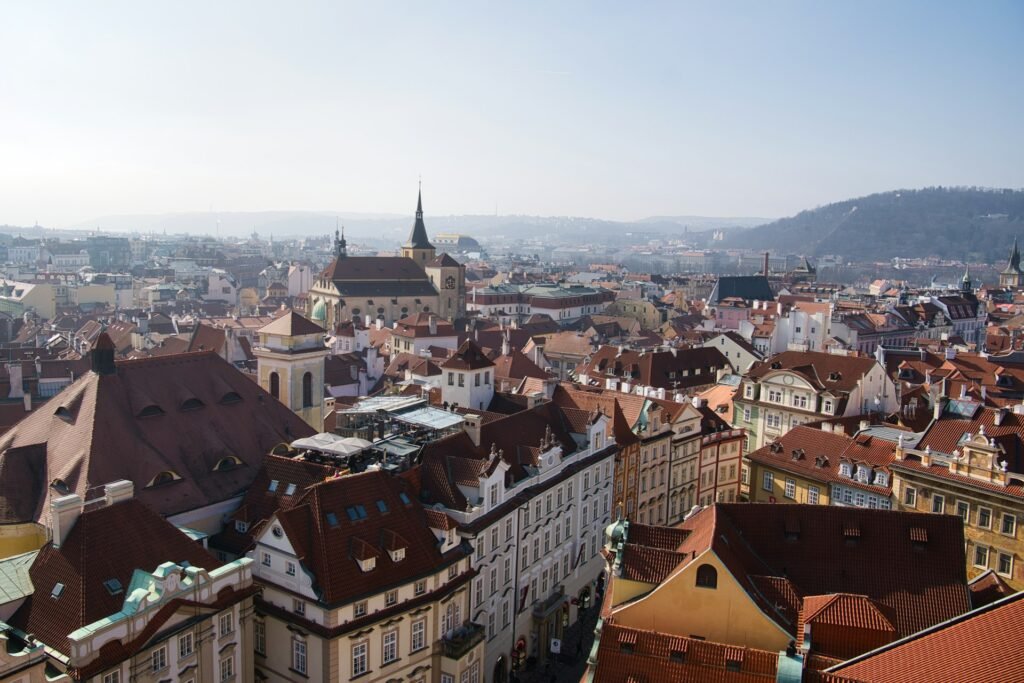
I walked across Charles Bridge at sunrise. Mist rose from the Vltava River. The castle above the city glowed in early light. I half expected to see knights and kings.
The Old Town Square is stunning. The Astronomical Clock draws crowds every hour. Gothic spires reach toward the sky. The Jewish Quarter holds centuries of history. Every corner offers something beautiful.
What surprised me most was the affordability. Beer costs less than water. Good meals cost half of what they do in Paris or London. The city is walkable. The people are welcoming.
Prague has earned its place among the best european destinations for first-time visitors. It is beautiful, accessible, and unforgettable.
Budapest, Hungary
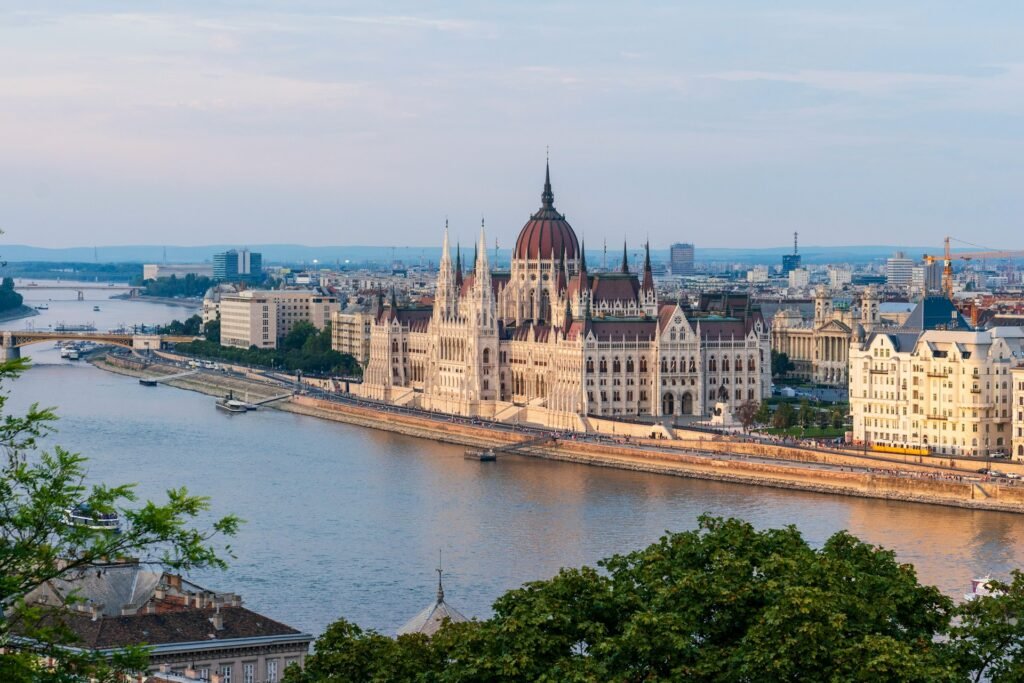
The Danube divides the city. Buda on one side. Pest on the other. Parliament glows gold at night. The Chain Bridge connects them. The view from Fisherman’s Bastion is breathtaking.
The thermal baths are a Budapest tradition. I spent an afternoon at Széchenyi Baths, soaking in warm water while locals played chess in the pools. It felt surreal. It felt wonderfully Hungarian.
The ruin bars in the Jewish Quarter are unlike anything else. They occupy abandoned buildings. Each has its own personality. The food is hearty. The wine is excellent. The city is affordable.
Budapest is often overlooked. It should not be. It belongs on any list of best european destinations for travelers seeking culture, history, and unique experiences.
Edinburgh, Scotland
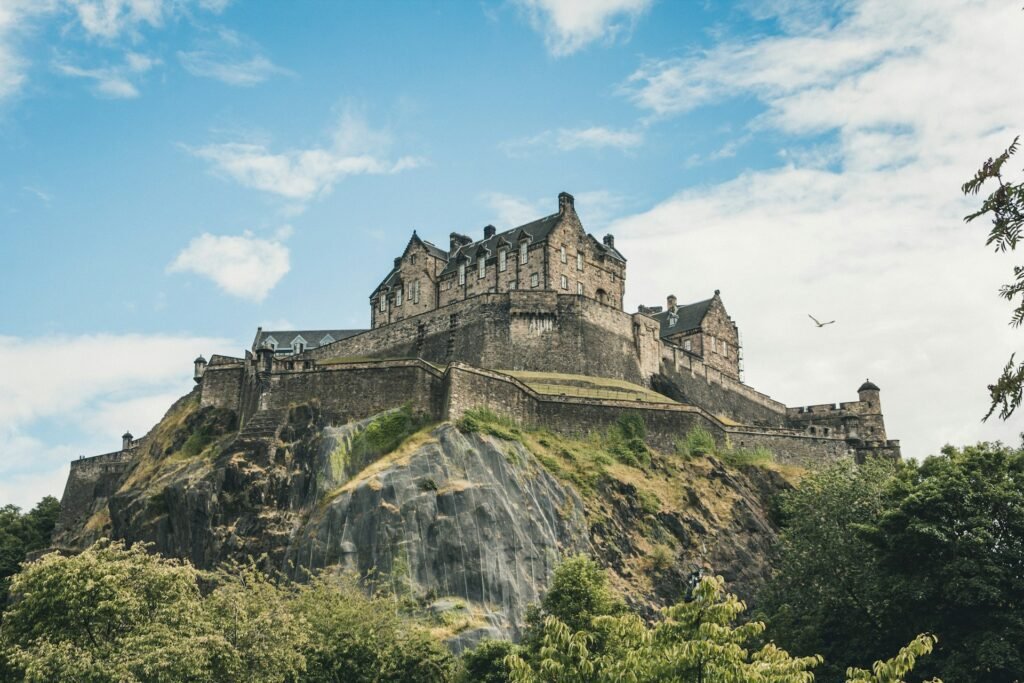
At its heart, the castle sits on an extinct volcano. From there, the Royal Mile runs from the castle down to Holyrood Palace. Along the way, medieval closes, called wynds, branch off like veins. Honestly, you can spend days exploring them. Each wynd has a story—some hide cozy pubs, others lead to hidden gardens.
What makes the city fascinating is that it has two distinct personalities. On one side, the Old Town is medieval—streets narrow, buildings leaning toward each other. On the other, the New Town is Georgian—orderly, elegant, and calm. Walking from one to the other feels like traveling through time.
Then there is Arthur’s Seat, which rises in the middle of the city. If you are up for it, the hike to the top offers views across Edinburgh and beyond. It takes about an hour. Wear decent shoes. The reward is worth every step.
If you visit in August, the Fringe Festival transforms the city into the largest arts festival in the world. Streets fill with performers. Venues pop up everywhere. It is electric. It is also chaotic. Book accommodation months ahead if you go then.
Beyond the festival, Edinburgh has a quieter side. The Dean Village feels like a hidden fairy tale. Stockbridge has local markets and neighborhood charm. The pub culture is warm and welcoming. A pint and a story go hand in hand here.
Insider tip: Skip the overpriced restaurants on the Royal Mile. Walk a few blocks into the Old Town’s side streets. You will find better food and more authentic atmosphere.
So Edinburgh is historic, walkable, and full of character. Because of this, it is one of the best european destinations for anyone who loves history, walking, or a good pub.
Dubrovnik, Croatia
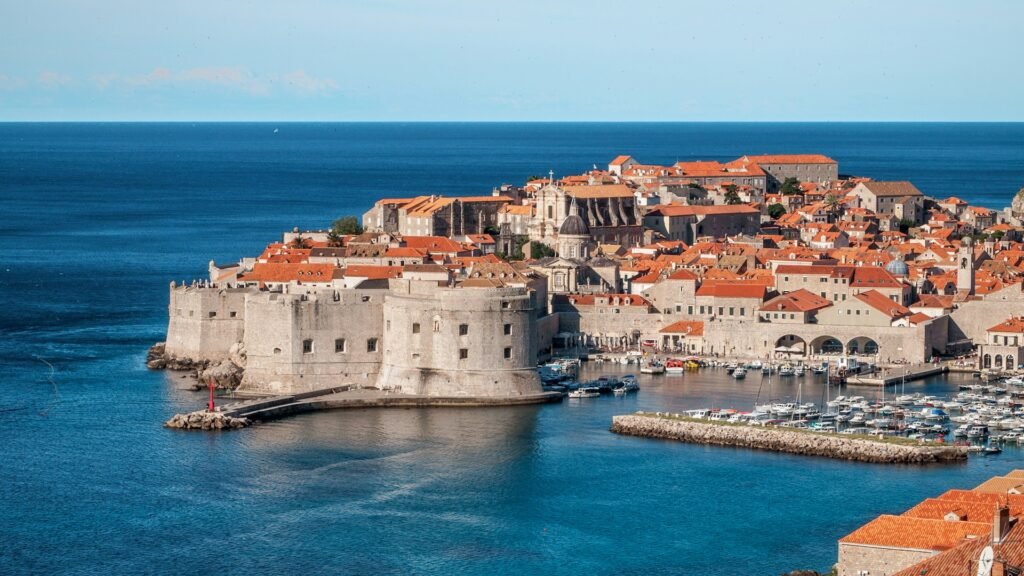
The old town is surrounded by massive stone walls. Below, the Adriatic Sea sparkles. Ahead, terracotta roofs stretch to the horizon. Honestly, it looks like a movie set. And Game of Thrones filmed here for good reason.
One of the best experiences is walking the city walls at sunset. As I walked, the light turned everything gold. Meanwhile, the sea stretched out endlessly. At that moment, I understood immediately why people return here again and again.
Inside, the old town is car-free. As a result, marble streets shine from centuries of footsteps. Everywhere, cafés fill the squares. And fresh seafood is everywhere. Beyond the walls, the islands off the coast are a short boat ride away.
Yes, Dubrovnik has become popular. But it deserves the attention. After all, it is one of the best european destinations for coastline lovers and history seekers alike.
Istanbul, Turkey
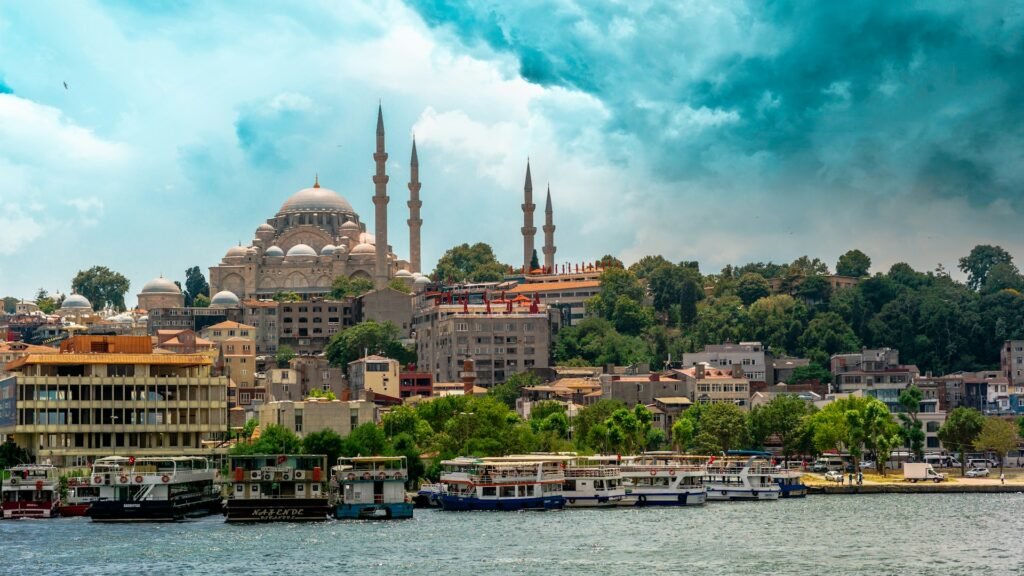
Istanbul straddles two continents. In fact, Europe and Asia meet here.
Without a doubt, the Hagia Sophia is the most incredible building I have ever entered. First, it was a church. Then, a mosque. Now, a museum. Inside, the dome seems to float. Meanwhile, the light is golden. And you feel the weight of history.
Just across the square, the Blue Mosque stands. Above, six minarets rise above the courtyard. Throughout the day, the call to prayer echoes across the city.
Then there is the Grand Bazaar. Honestly, it is overwhelming. There are thousands of shops. Here, negotiation is expected. And tea is offered. Nearby, the spice market smells intoxicating.
Meanwhile, the Bosphorus divides the city. Constantly, ferries cross. For me, riding the ferry is the best way to see Istanbul. And the food is exceptional—kebabs, mezes, fresh fish.
So yes, Istanbul is chaotic. It is crowded. But it is also incredibly welcoming. Because of this, it is one of the best european destinations for history, food, and an experience unlike anywhere else.
Amsterdam, Netherlands
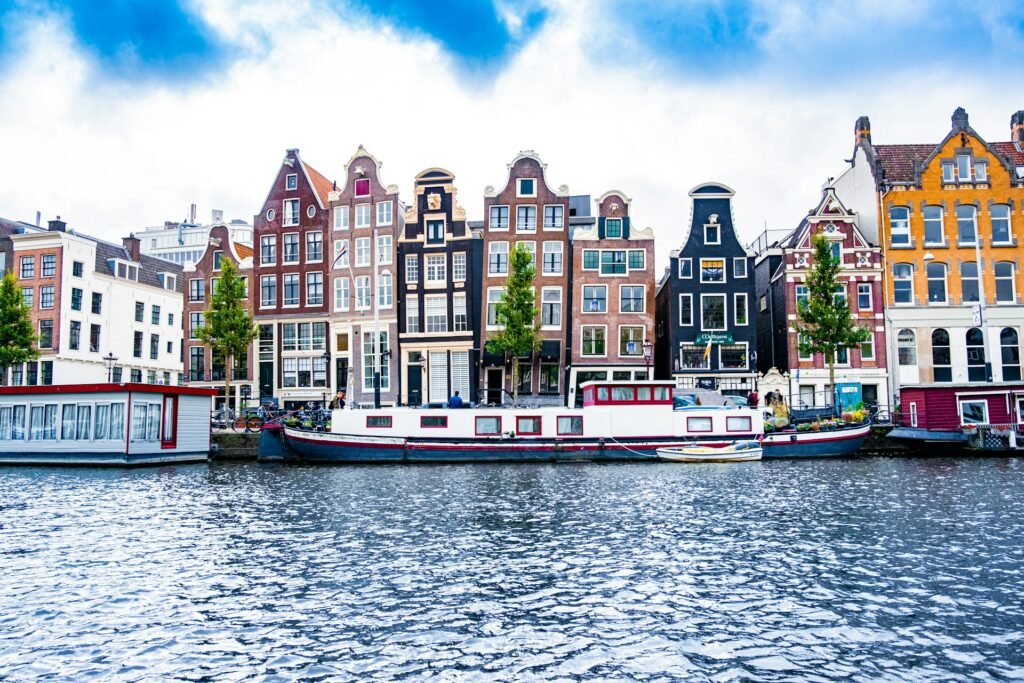
Canals create a layout that feels organized yet organic. Because of this, each neighborhood has its own character. For instance, the Jordaan is charming with narrow streets and hidden courtyards. Meanwhile, the Canal Ring is stunning, especially at night when lights reflect on the water.
Personally, I love Amsterdam for its scale. On one hand, it is big enough to have everything. On the other hand, it is small enough to explore on foot. For example, you can walk from center to outer neighborhoods in an hour. Or you can do what I do—pick a direction and get lost.
Now, the museums are world-class. For instance, the Rijksmuseum houses Rembrandt and Vermeer. Similarly, the Van Gogh Museum holds the largest collection of his work. If you only have time for one, I recommend the Rijksmuseum. It is grand, beautiful, and tells the story of Dutch art.
Insider tip: Book the Van Gogh Museum weeks in advance. It sells out daily. The Anne Frank House sells out two months ahead. Plan accordingly.
But the best part of Amsterdam is the everyday. Take sitting by a canal with a beer. Or renting a bike and cycling like a local. Or finding a hidden courtyard cafe. These simple moments make the city special.
Another thing I love is how easy it is to escape the crowds. For example, take a tram to the quieter neighborhoods like De Pijp or Oud-West. Here, you will find local markets, great food, and a slower pace. Similarly, renting a bike lets you explore beyond the tourist center.
And the food scene deserves attention. Sure, you have to try Dutch pancakes and herring. But Amsterdam also has incredible Indonesian food—a legacy of colonial history. For a memorable meal, try rijsttafel, a feast of small dishes served with rice.
So, Amsterdam is beautiful and manageable. Above all, it belongs on any list of best european travel destinations.
Destination Summary at a Glance
Planning a trip across Europe can feel overwhelming. After all, so many cities. Yet so little time. To help you compare at a glance, I have put together a simple chart. It covers the best time to visit, how many days you need, and what each destination will cost. So, use it as your starting point. From there, find what fits your style, your schedule, and your budget. Then, dive deeper into the sections that follow.
| Destination | Best For | Best Time to Visit | Suggested Days | Daily Budget (€) |
|---|---|---|---|---|
| Rome, Italy | History, food, iconic landmarks | April–June, Sept–Oct | 3 | 155–225 |
| Helsinki, Finland | Nordic design, sauna, archipelago | May–September | 2–3 | 138–207 |
| Lisbon, Portugal | Hills, light, affordability, Fado | March–May, Sept–Oct | 3 | 90–150 |
| Prague, Czech Republic | Fairy-tale architecture, beer | May–September | 3 | 74–128 |
| Budapest, Hungary | Thermal baths, ruin bars, Danube | April–June, Sept–Oct | 3 | 70–118 |
| Edinburgh, Scotland | Castle, festivals, dramatic scenery | May–September | 3 | 143–242 |
| Dubrovnik, Croatia | Coastline, medieval walls, clear water | May–June, September | 3 | 118–190 |
| Istanbul, Turkey | History, culture, food, two continents | April–May, Sept–Oct | 3–4 | 90–160 |
| Amsterdam, Netherlands | Canals, museums, cycling | April–May, September | 3 | 153–237 |
| Alicante, Spain | Mediterranean beaches, castle, paella | May–June, September | 3 | 80–140 |
Common FAQs
Which best European destinations are most affordable?
If you are traveling on a budget, Budapest, Lisbon, Prague, and Alicante offer incredible experiences without high costs. In fact, you can eat well, stay comfortably, and explore freely for half the price of Western Europe.
How many of these best European destinations can I visit in one trip?
Generally, aim for two to three destinations in a two-week trip. Because any more than that means you spend more time traveling than exploring. So, pick cities close together to minimize transit time.
When is the best time to visit these European destinations?
For the ideal balance, May, June, and September are your best bet. During these months, weather is pleasant, crowds are smaller than summer, and prices are reasonable. On the other hand, July and August are peak season—great weather but busy and expensive.
Pro Tips for Visiting the Best European Destinations
Book flights on Tuesdays or Wednesdays for the best deals. Mid-week departures are often cheaper than weekend flights. Use comparison sites but book directly with the airline—it makes changes easier if something goes wrong. For accommodation, stay central enough to walk to attractions but on a side street to avoid noise. Read recent reviews, not just the overall score. Look for mentions of cleanliness, noise, and check-in experience. Use public transport from the airport. Taxis are expensive. Trains and buses are efficient. Download offline maps before you leave. Carry a reusable water bottle. Keep a digital copy of your passport and travel insurance in the cloud. These small habits make exploring the best european destinations smoother, cheaper, and far less stressful.
My Views
Look, I will be honest with you. Europe is huge. It is wonderfully diverse. And you simply cannot see it all in one trip. But honestly? That is kind of the point.
Because the beauty is in choosing your own path. In finding the places that speak to you. In letting the trip unfold without overplanning every minute.
The destinations I shared here are the ones that stayed with me. They are the cities I keep going back to. They are the places I tell my friends they absolutely cannot miss. Whether you want ancient history in Rome, Mediterranean sun in Alicante, or something completely different in Helsinki, there is something here for you.
So what are you waiting for? Pick one. Book the ticket. Go see for yourself.
Here is the thing, though. The best European destinations are not just dots on a map. Instead, they are moments, memories, and feelings that linger long after you are back home.
Now I am curious. What is your dream European destination? Drop it in the comments. I would love to hear where you are headed.