
Family Trip Guide: From Chaos to Cherished Memories
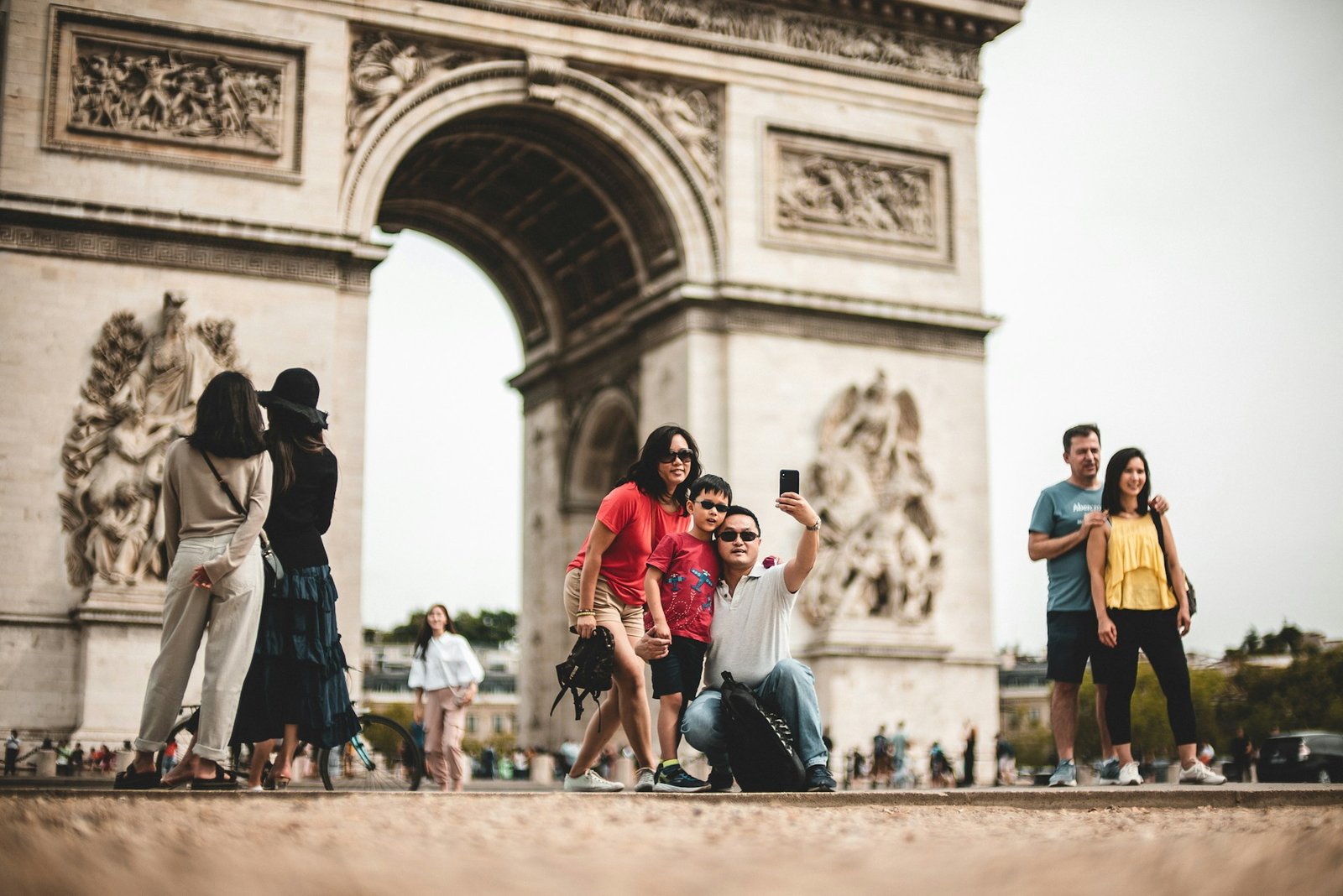
Let’s be honest: the idea of a “relaxing family vacation” often feels like an oxymoron. Between packing meltdowns, airport sprints, sibling squabbles over the window seat, and the inevitable “Are we there yet?” chorus, many parents return from vacation feeling like they need another vacation.
But here’s the secret: it doesn’t have to be that way.
Over the last eight years of traveling with our three kids (now ages 4, 7, and 10), we’ve evolved from frazzled, over-packers to a well-oiled adventure machine. We’ve had flat tires in the French countryside, lost a beloved stuffed animal in a Singapore airport, and survived a week-long road trip with a potty-training toddler.
What we’ve learned is that perfect is the enemy of good. The goal of a family trip isn’t Instagram perfection; it’s connection, discovery, and creating the kind of messy, hilarious, beautiful memories that your kids will retell for decades.
This guide is your roadmap. We’ll cover everything: the mindset shift, the packing hacks, the budgeting secrets, and the day-by-day logistics that turn potential disaster into a dream vacation.
The Pre-Trip Mindset (Where Most Plans Succeed or Fail)
Before you book a single flight, you need to align your expectations. This is the single most important step.
1. Redefine “Vacation” as a “Trip” or “Adventure”
When you hear “vacation,” you likely think of sleeping in, long lazy brunches, and reading a novel by the pool. That is a couple’s vacation. A family trip is a different beast. Think of it as a 24/7 mobile parenting operation with better scenery. Accept this early, and you’ll avoid frustration.
2. Set a “Theme” or “Goal” for the Trip
Ask each family trip member one thing they want to do. For a beach trip:
- Dad: Surfing lesson
- Mom: Reading one book on the sand
- 7-year-old: Building a massive sandcastle
- 4-year-old: Finding five unique seashells
By ensuring each person has one “non-negotiable” small win, you build a trip that feels fair to everyone. The theme might be “The Relaxation & Exploration Mix” or “The Foodie Family Trip.”
3. Embrace the “Low Expectations, High Preparation” Mantra
Expect that someone will get carsick. Expect that the hotel pool will be closed for maintenance. Expect that the “quick” dinner will take two hours. When you mentally prepare for hiccups, you stop being surprised by them. You become a calm problem-solver instead of a reactive parent.
Part 2: Destination & Timing – Choosing the Right Battleground
Not every destination is for family vacation-friendly, no matter how beautiful the Instagram photos are.
Ask these three questions before booking:
- Is it logistically simple? (Direct flights? Short drives? No 3 a.m. time zone changes?)
- Is it operationally forgiving? (Are there grocery stores nearby? Laundry facilities? Late-night food options?)
- Does it have “kid currency”? (Pools, beaches, playgrounds, ice cream shops, animal encounters.)
Top Family Trip Types (By Age Group)
- Ages 0-3 (The Portable Baby/Toddler Stage): Choose all-inclusive resorts or rental homes with a fenced yard and a washer/dryer. Proximity to home is key. Think beach towns within a 3-hour drive. You want a base camp, not a sightseeing marathon.
- Ages 4-7 (The Wonder Years): Theme parks, kid-focused museums (Children’s Museums, Science Centers), dude ranches, or camping. They love character interactions and hands-on activities. Avoid long historical tours or art galleries.
- Ages 8-12 (The Independent Explorers): National Parks (Junior Ranger programs are gold!), snorkeling trips, kayaking, zip-lining, and cities with good public transit (London, Tokyo, NYC). They can handle a museum if it’s broken into 45-minute chunks.
- Teens (The Reluctant Travelers): Adventure travel (Costa Rica, Iceland), cultural capitals, or beach resorts with good WiFi. Involve them in the planning! Let them research one restaurant or activity per day. Autonomy equals buy-in.
Pro Tip: Travel during the school year if possible. Yes, you’ll pull them out for a week. The trade-off? Cheaper flights, empty attractions, and less pressure. If you must travel during peak breaks, wake up at 6 a.m. to hit popular spots before the crowds.
The Art of Family Trip Packing (Less is More)
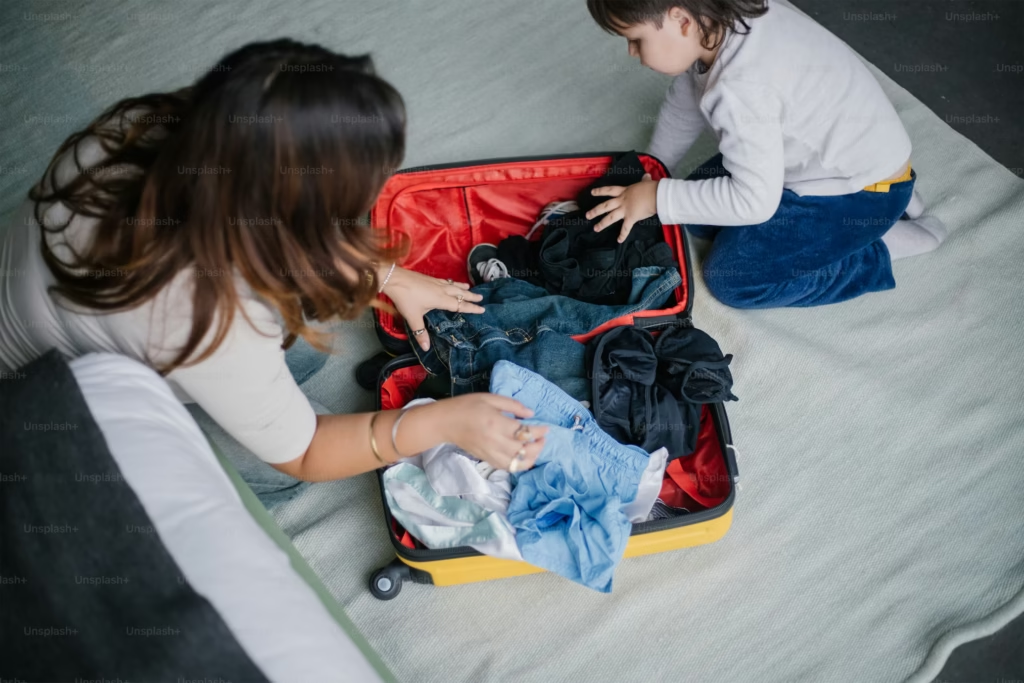
I will shout this from the mountaintops: You do not need seven outfits per person for a five-day trip. You need laundry strategies.
The Family Trip Packing Spreadsheet (Yes, a spreadsheet)
Create a column for each person. Then, the golden rule: 3-4-2 Rule for a 5-day trip.
- 3 Tops
- 4 Bottoms (mixes with everything)
- 2 Pairs of shoes (one sandal, one sneaker/closed-toe)
- Plus: 1 hoodie/sweater, 1 rain jacket, 7 pairs of socks/underwear.
The Secret Weapons (Non-Negotiable Items)
- The “Sick Kit”: Pediatrician-approved fever reducer, antihistamine (for sudden allergies), anti-nausea meds (dramamine for motion sickness), Band-Aids, tweezers (for splinters/ticks), and an instant-read thermometer. Keep this in your personal item, not checked luggage.
- The “Boredom Buster Backpack” (for each child over 4): A small backpack they carry themselves. Contents:
- A new, unwrapped toy (the novelty factor buys 45 minutes of quiet).
- A classic toy (Lego mini-figure, Hot Wheels car).
- A snack that doesn’t melt (granola bar, fruit pouch, pretzels).
- A water bottle with a locking lid.
- An old cell phone loaded with offline audiobooks or podcasts (no games, just stories).
- Ziploc Bags of Every Size: Gallon bags for wet swimsuits. Sandwich bags for snack portions. Quart bags for liquids in the airport. Trash bag for the inevitable car sickness. You will use them all.
The Laundry Hack
For family trips longer than 5 days, pack for 5 days and plan to do one sink wash or one hour at a laundromat. A $5 packet of laundry powder and 45 minutes of downtime saves you from hauling a 50-pound suitcase. We often book an Airbnb with a washer mid-trip for exactly this reason.
Budgeting Without Melting Your Credit Card
Family travel is expensive. But you can control the bleed.
The Big Three Expenses (Where to Save vs. Splurge)
- Flights (Splurge): Pay for the direct flight. Pay for the seat selection so you sit together. A $200 layover that turns into a 6-hour delay with tired kids is false economy. Also, consider flying out on a Tuesday or Wednesday – it’s cheaper and airports are calmer.
- Lodging (Save smartly): You don’t need the five-star hotel. You do need a suite or a rental home with a separate sleeping area. Everyone sleeping in one room leads to “you snore” / “you kick” / “the baby cried” disasters. A simple hotel room with a door to a separate living area is worth its weight in gold. Search for “family trip suites” or “extended stay.”
- Food (The Silent Budget Killer): Restaurant meals for a family vacation of four add up to $80-$150 per meal. Strategy:
- Breakfast: Always at the hotel/Airbnb (cereal, oatmeal, toast).
- Lunch: Picnics! Find a local grocery store, buy bread, cheese, meat, fruit. Eat at a park. Kids love it, and it costs $15 instead of $60.
- Dinner: One “nice” restaurant per trip. Otherwise, do takeout or early bird specials (4:30-5:30 p.m. is golden hour for family dining – less wait, more patience from staff).
The “Free & Cheap” List for Every Destination
- Public libraries (often have free museum passes!)
- City parks with splash pads
- Free walking tours (tip what you can)
- Beach days vs. paid water parks
- Hiking vs. amusement parks
The Travel Day Playbook (A Minute-by-Minute Guide)
Travel days are the highest-stress part of any family trip. Here is our battle-tested routine.
The Day Before:
- Charge every device. Load new movies/shows onto a tablet.
- Lay out everyone’s travel outfits (avoid belts, complicated shoes, or anything with a zipper that might set off a metal detector).
- Print or download all boarding passes/confirmation numbers.
- Pro move: Clean out your car if driving. A clean car feels calmer.
The Morning Of (Flight or Drive):
- Wake up 1 hour earlier than you think you need.
- Do not introduce new foods. Stick to plain bagels, bananas, and water. You do not want a “new food” reaction at 30,000 feet.
- The “Last Potty Parade”: Make everyone (including adults) try to go to the bathroom right before you leave the house.
At the Airport:
- Let the kids pull their own rolling suitcase. It slows you down by 15%, but it gives them ownership and burns energy.
- Go through security like a SWAT team. Everyone’s liquids bag out. Laptops out. Shoes off. Practice the routine at home.
- The $20 Rule: If you have a layover, find a quiet gate away from the crowds. Let the kids run laps or do “floor is lava” on the chairs. That $20 spent on an overpriced smoothie and pretzel bites is an investment in calm.
In the Car:
- The “Snack Bingo” game: Each kid gets a printed sheet with pictures of road signs (stop sign, gas station, cow, yellow car). First to find them all gets to choose the next music/podcast.
- Audio is king. Podcasts like Wow in the World, Story Pirates, or Circle Round engage the brain without screens. Save screens for the last 2 hours of a long drive when patience is gone.
The Daily Rhythm – Sanity on Vacation
You have arrived. Now what? Do not try to do everything.
The “3-2-1 Rule” for Daily Activities
- 3 hours of planned activity (museum, hike, tour).
- 2 hours of unstructured downtime (pool, nap, reading, playground).
- 1 “wild card” (a spontaneous ice cream stop, a souvenir shop, a side street you want to explore).
The 10 a.m. Golden Hour
Most families sleep in, eat a slow breakfast, and start their day at 10 a.m. That is when lines form. Instead:
- Wake up at 7 a.m. Eat a quick breakfast.
- Be at the attraction by 8:30 a.m. (when it opens).
- Do the main thing from 8:30 to 10:30 a.m.
- By 11 a.m., when the crowds are thick, you are finishing up. This is the single best hack for theme parks, zoos, and museums.
Managing Sibling Squabbles (On the Road)
- The “Switch Off” Rule: If they fight over the front seat or the left side of the stroller, they have to switch every 30 minutes. Set a timer. They will eventually realize it’s not worth the argument.
- The “Complaint Token”: Give each kid three tokens (poker chips) in the morning. Every time they whine or complain, they lose a token. At the end of the day, remaining tokens = minutes of screen time or a small treat. It gamifies positivity.
Eating Out with Kids (Without the Stares)
Dining out can be the most stressful part of a family trip. Here’s how to win.
- Eat at 5:00 p.m. You beat the rush. Service is faster. The restaurant is emptier and louder (so your kids won’t be the only loud ones).
- Scan the menu online before you go. Know what you’re ordering before you sit down. The time between sitting and ordering is where meltdowns happen.
- The “Activity Placemat” Hack: Bring a small Ziploc with a few crayons and a printed coloring page from the hotel’s front desk. Don’t rely on the restaurant to have kids’ menus.
- Order appetizers as entrees. A hungry kid doesn’t care about the chicken tender platter. They care about the bread basket and the bowl of olives. Get food on the table immediately—even if it’s just a side of fries.
- Tip generously. If your kids made a mess, tip 25-30%. The staff will remember you as “the messy but generous family” rather than “the nightmare table.”
Save Family Trip (Sickness, Injury, Meltdown)
It will happen. Here’s your emergency playbook.
A: A kid gets sick.
- Stay calm. Do not blame anyone.
- Call your pediatrician’s nurse line for a referral to a local urgent care.
- Have the “Sick Kit” ready (meds, thermometer, Pedialyte popsicles).
- Cancel the next day’s plans. Order room service or delivery. Put on movies. The trip is not ruined; it’s just pivoting to rest mode.
B: A public meltdown.
- Do not try to reason, lecture, or shame.
- The only move: Remove the child from the environment. Pick them up (gently) and walk to a quiet corner, bathroom, or outside.
- Sit on the ground with them. Say nothing for 60 seconds. Then whisper, “I’m here. You’re safe. We’ll try again in a minute.”
- Never threaten “We’re going back to the hotel” as a punishment. That turns the hotel into a jail. Instead, say, “Let’s take a reset break.”
C: Lost child.
- Have a code word. Teach your kids: “If anyone except Mommy or Daddy says ‘Come with me, your parents are hurt,’ you scream NO and run to a mom with kids or a uniformed employee.”
- Take a photo of your child each morning in the clothes they are wearing. If they get lost, you have an exact description.
- At crowded places, write your phone number on their arm with a Sharpie and cover with liquid bandage.
The Return Home – Extending the Magic
The trip doesn’t end when you unlock your front door.
The Unpacking Sprint (First 2 Hours Home)
- Set a timer for 20 minutes. Everyone unpacks their own bag.
- Start laundry immediately. Do not let the “travel doom pile” sit for a week.
- Order pizza for dinner. No one wants to cook.
The Memory Keeping Ritual
- Within 48 hours, gather around the table. Each person shares their “Top 3” : Best moment, funniest moment, and what they want to do next time.
- Write these down in a small notebook. That’s your family travel journal.
- Print 10-15 photos at a drugstore. Put them in a cheap album. Kids will look at this album a hundred times over the next year. That’s where the long-term memory magic happens.
The Post-Mortem (For Parents)
Ask yourself:
- What worked? (e.g., The 3-2-1 rule saved us.)
- What didn’t? (e.g., Never booking a red-eye flight again.)
- What one thing will we do differently next time?
This isn’t about criticism. It’s about becoming a better travel family. Each trip builds on the last.
You Are Creating Legacy, Not Perfection
I want to leave you with a truth that took me five years of family travel to learn.
Your children won’t remember the delayed flight. What will stay with them is the “I Spy” game you created in the airport terminal.
The fancy restaurant where they had to sit still will quickly be forgotten—but the picnic where they got to eat an entire bag of grapes won’t be.
And long after the details of the hotel fade, they’ll still remember laughing, jumping on the bed with their sibling while you played the monster.
Family travel is not a luxury. It is an investment in your family’s shared story.
So, book the trip. Pack the bags. Forget the “perfect” itinerary. Embrace the chaos. Let the toddler have a cookie for breakfast. Stay an extra hour at the playground. Let the teen sleep in.
The dishes can wait. The emails can wait. The lawn can be mowed next week.
Go make the mess. Go make the memories. And when you get home, write me a comment and tell me your best “disaster that turned into the best memory” story.
I can’t wait to hear it.
Safe travels, tired parents. You’ve got this.