
Fiji Travel Guide 2026: Expert Tips, Itineraries, and Budgets
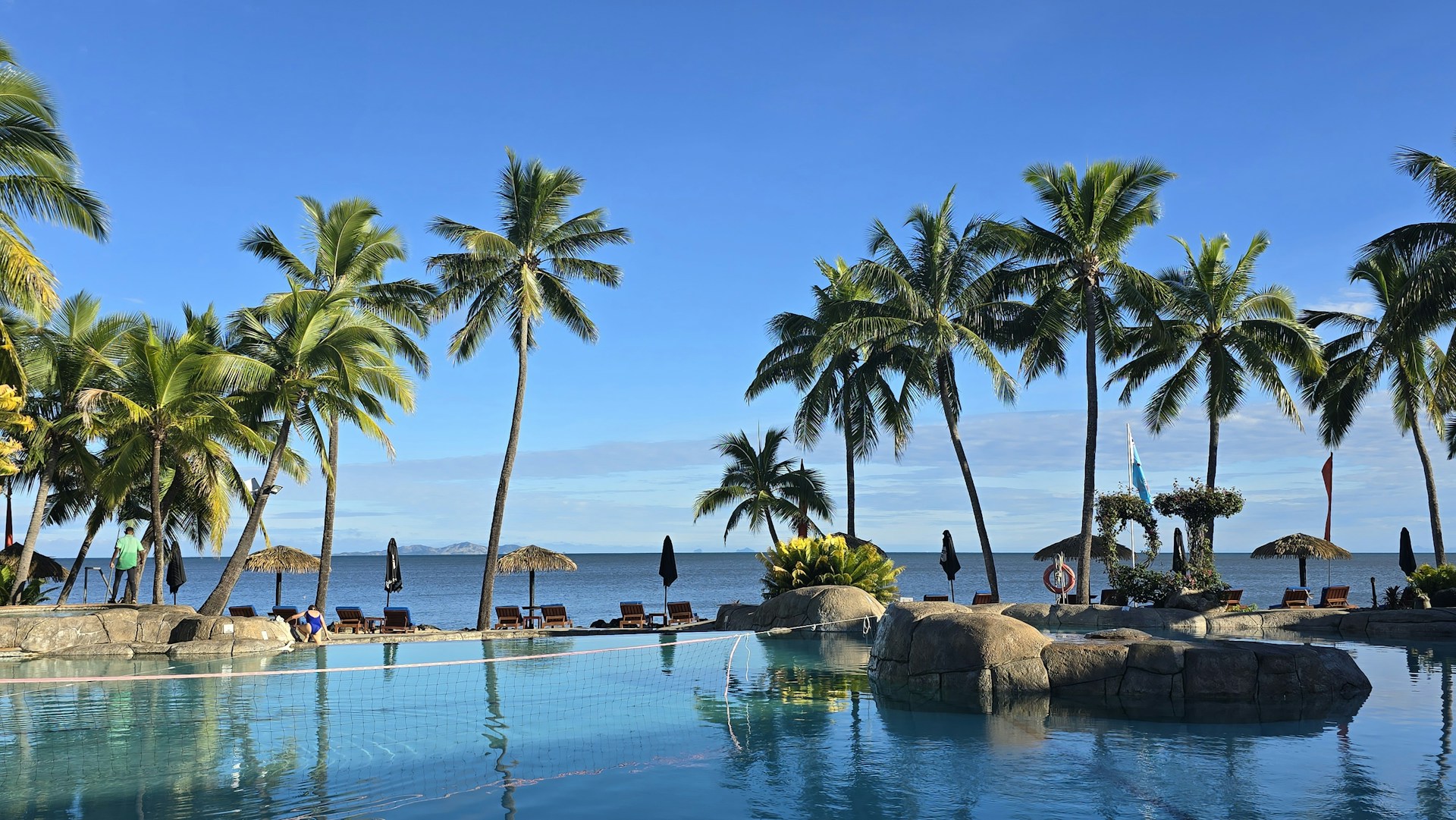
Fiji is the undisputed heart of the South Pacific. For decades, it has carried the reputation of being a high-end honeymoon retreat reserved only for those with a massive budget. However, as we move through 2026, the story is changing, and this Fiji Travel Guide will show you how. The archipelago is evolving into a premier destination for high-octane adventure seekers, digital nomads, and families who want more than just a hotel pool.
With over 333 islands, Fiji offers a world where time slows down to the pace of “Bula Time.” Whether you are looking for the world’s best soft coral dives, a remote jungle trek, or a high-speed catamaran journey through volcanic peaks, this guide is your professional blueprint for navigating the “Bula State” in 2026.
The 2026 Travel Landscape: Why Visit Now?
Travel in 2026 is no longer just about seeing a place; it is about “Regenerative Travel.” Fiji has positioned itself at the global forefront of this movement. When you land at Nadi International Airport, you aren’t just a tourist; you are part of a national effort to restore the Great Sea Reef and preserve ancient Melanesian traditions.
Sustainable & Smart Tourism
Many resorts in the Mamanuca and Yasawa island chains have successfully transitioned to 100% renewable energy. In 2026, you will see fewer plastic bottles and more coral nurseries. For the reader of Flyaffi.com, this means your travel dollars are actively planting mangroves and protecting endangered species like the Fiji Crested Iguana.
Digital Nomad Connectivity
The remote-work revolution has reached the South Pacific. With the expansion of high-speed satellite internet, Fiji is no longer “off the grid” unless you want it to be. The 2026 infrastructure allows you to manage a global business from a beach bure in Savusavu or a co-working space in Suva.
Strategic Planning: Essential Tips for 2026
1. Entry Requirements & Visas
Entering Fiji remains one of the simplest processes in international travel.
- Tourist Visa: Most western citizens (US, UK, CA, AU, NZ) receive a free 4-month visa on arrival.
- Passport: Ensure your passport is valid for at least 6 months past your departure date.
- Remote Work Visa: For those staying longer, Fiji now offers a “Work from Paradise” permit for stays up to 12 months, provided you work for an overseas company.
You can read more about Fiji Visa information here.
2. Seasonal Timing: When to Go
- The Dry Season (May – October): This is the peak season. The humidity is low, the water visibility is 30m+, and the sky is a constant blue. Prices are at their highest, especially in July and August.
- The Shoulder Season (April, May, October, November): This is the professional traveler’s secret. You get 90% of the peak weather at 70% of the cost.
- The Wet Season (December – March): Expect hot, humid days with heavy afternoon rain. This is “low season,” meaning you can snag luxury villas for budget prices.
Budgeting for Fiji: From Backpackers to Billionaires
Fiji uses the Fijian Dollar (FJD). While many resorts accept major credit cards, cash is essential for village visits and local markets.
The Backpacker Budget ($75 – $110 USD per day)
Contrary to popular belief, you can visit Fiji on a budget.
- Stay: Stay in dorms or “backpacker bures” on the main island or the Southern Yasawas.
- Food: Eat at local “Curry Houses” and municipal markets. A meal of Roti and Curry usually costs less than $7 USD.
- Transport: Use the local yellow buses. A cross-island trip costs less than $15 USD.
The Mid-Range Explorer ($200 – $450 USD per day)
- Stay: 4-star beachfront resorts on the Coral Coast or boutique hotels in Nadi.
- Food: A mix of resort dining and local seafood cafes.
- Activities: Spend on major excursions like the Sigatoka River Safari or a Cloud 9 day pass.
The Luxury Tier ($1,000+ USD per day)
Fiji defines the global standard for luxury.
- Stay: Private island resorts like Royal Davui, Vomo, or Laucala.
- Transport: Private seaplane transfers ($450+ per seat) to bypass the ferry system.
- Experience: Private reef picnics and dedicated “Meimei” (nanny) services.
Regional Breakdown: Choosing Your Island
Viti Levu: The Adventure Capital
The main island is the engine room of Fiji.
- Pacific Harbour: This is where you go for bull shark diving and white-water rafting.
- The Coral Coast: Best for families. The reef is just steps from the shore.
- Nadi/Denarau: The transit hub. Denarau is where you find the big international brands like Hilton and Sheraton.
The Mamanuca Islands: The Postcard View
Closest to Nadi, these islands offer the white sand and turquoise lagoons seen in movies like Cast Away.
- Top Spots: Malolo, Mana, and Castaway Island.
- The Vibe: High-energy, great for surfing, and easy to reach.
The Yasawa Islands: Rugged Sophistication
A chain of 20 volcanic islands stretching north. There are no banks and very few shops here.
- Highlight: The Blue Lagoon and Sawa-i-Lau Caves.
- The Vibe: Peaceful, natural, and remote.
Vanua Levu & Taveuni: The Garden Isles
- Savusavu: A quaint town built around hot springs. Famous for pearl farms.
- Taveuni: Known as the “Garden Island.” 80% of the island is protected parkland. It is home to the International Date Line.
The 14-Day “Grand Archipelago” Itinerary
Days 1-2: Nadi & Cultural Immersion
Recover from your flight with a soak in the Sabeto Mud Pools. Visit the Garden of the Sleeping Giant to see thousands of orchids.
- Pro Tip: Buy your local SIM card and water shoes at the Nadi Municipal Market.
Days 3-6: The Mamanuca Wave
Take a high-speed catamaran to Malolo Island. Spend your days snorkeling the protected reefs and visiting Cloud 9, the world-famous floating bar.
- Activity: Try a sunset sail to see the “Green Flash” as the sun hits the Pacific horizon.
Days 7-10: The Yasawa Expedition
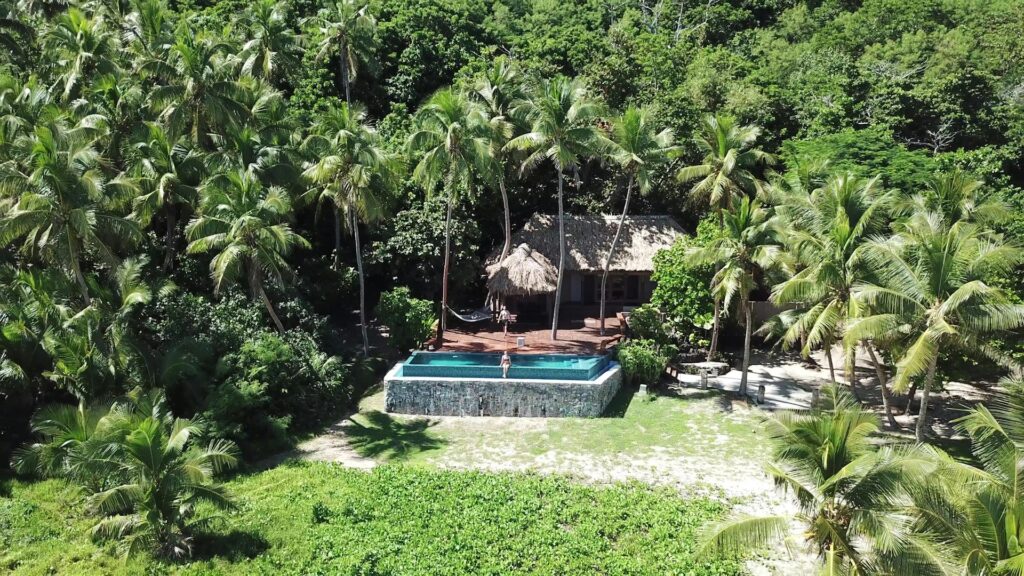
Head north to the Yasawa Islands. Stay at Barefoot Kuata to snorkel with reef sharks. On your final day, take a boat to the Sawa-i-Lau Caves, where you can swim through underwater tunnels into limestone chambers.
Days 11-14: The Rainforests of Taveuni
Fly from Nadi to Taveuni. This is the peak of your trip. Hike the Lavena Coastal Walk—a trail that follows the jungle edge and ends at a massive waterfall.
- Must Do: Dive the Rainbow Reef. In 2026, it remains the “Soft Coral Capital of the World.”
Cultural Etiquette: Respecting the Bula Spirit
Fijians are incredibly welcoming, but their culture is deeply traditional. To be a respectful traveler:

- The Sevu-sevu: When entering a local village, you must bring a gift of Kava root (Yaqona). You present this to the village headman.
- Modesty: Always cover your shoulders and knees when in a village. A “Sulu” (sarong) is the standard dress.
- Hats & Bags: Remove your hat and sunglasses in a village. The head is considered sacred.
- Sunday is for Rest: Most of Fiji stops on Sunday for church. Don’t plan major travel on this day; instead, attend a local church service to hear the world-class Fijian harmony singing.
Culinary Guide: What to Eat in Fiji
Fijian cuisine is a fusion of Melanesian, Polynesian, and Indian flavors.
- Kokoda: Raw fish marinated in lime and thick coconut milk. It is refreshing and ubiquitous.
- Lovo: A feast cooked in an underground earth oven. The pork and chicken come out with a distinct smoky flavor.
- Indo-Fijian Curry: Try the Mud Crab curry in Suva or Nadi. It is spicy, fresh, and usually served with handmade roti.
- Rourou: Taro leaves simmered in coconut cream. It is the Pacific’s answer to creamed spinach.
Adventure & Safety in 2026
Diving & Snorkeling
Fiji’s reefs are healthy and vibrant.
- Shark Diving: Beqa Lagoon offers the world’s most famous shark dive. You will see Bull, Tiger, and Nurse sharks in their natural habitat.
- The Great White Wall: A vertical drop-off in Taveuni covered in white soft coral. It is a bucket-list dive for every enthusiast.
Health and Safety
- Water: In Nadi and Suva, tap water is generally treated. In the islands, stick to filtered or bottled water.
- Sun Protection: The Fiji sun is brutal. Use reef-safe sunscreen (Zinc-based) to protect the coral.
- Safety: Fiji is very safe for solo travelers. However, like any destination, be vigilant in Suva and Nadi at night.
Packing Checklist for 2026
- Reef-Safe Sunscreen: (Oxybenzone-free).
- Dry Bag: Essential for boat transfers between islands.
- Sulu (Sarong): For village visits.
- Underwater Camera: You will spend 40% of your time in the water.
- Universal Adapter: Type I (same as Australia/NZ).
FAQ: Everything Else You Need to Know
Is Fiji expensive?
It can be. But by eating locally and using the ferry system, you can visit for under $100/day.
Do I need to tip?
Tipping is not expected in Fiji. If you want to show appreciation, contribute to the “Staff Christmas Fund” box at your resort.
How is the internet?
Excellent in Nadi, Suva, and major resorts. In the outer Yasawas, it is limited to Starlink or cellular hotspots.
Is Fiji family-friendly?
It is the best family destination in the world. Fijian culture cherishes children, and resort nannies are legendary.
Final Thoughts from Flyaffi
Fiji in 2026 is a destination that offers more than just a tan. It offers a reconnection with nature and a lesson in community. As you plan your trip, remember that the most beautiful part of Fiji isn’t the sunset—it’s the “Bula” you hear from a stranger.
Plan your next flight, find your hidden resort, and book your 2026 adventure today at Flyaffi.com. The South Pacific is waiting.