
The Art of Simple Backpacking
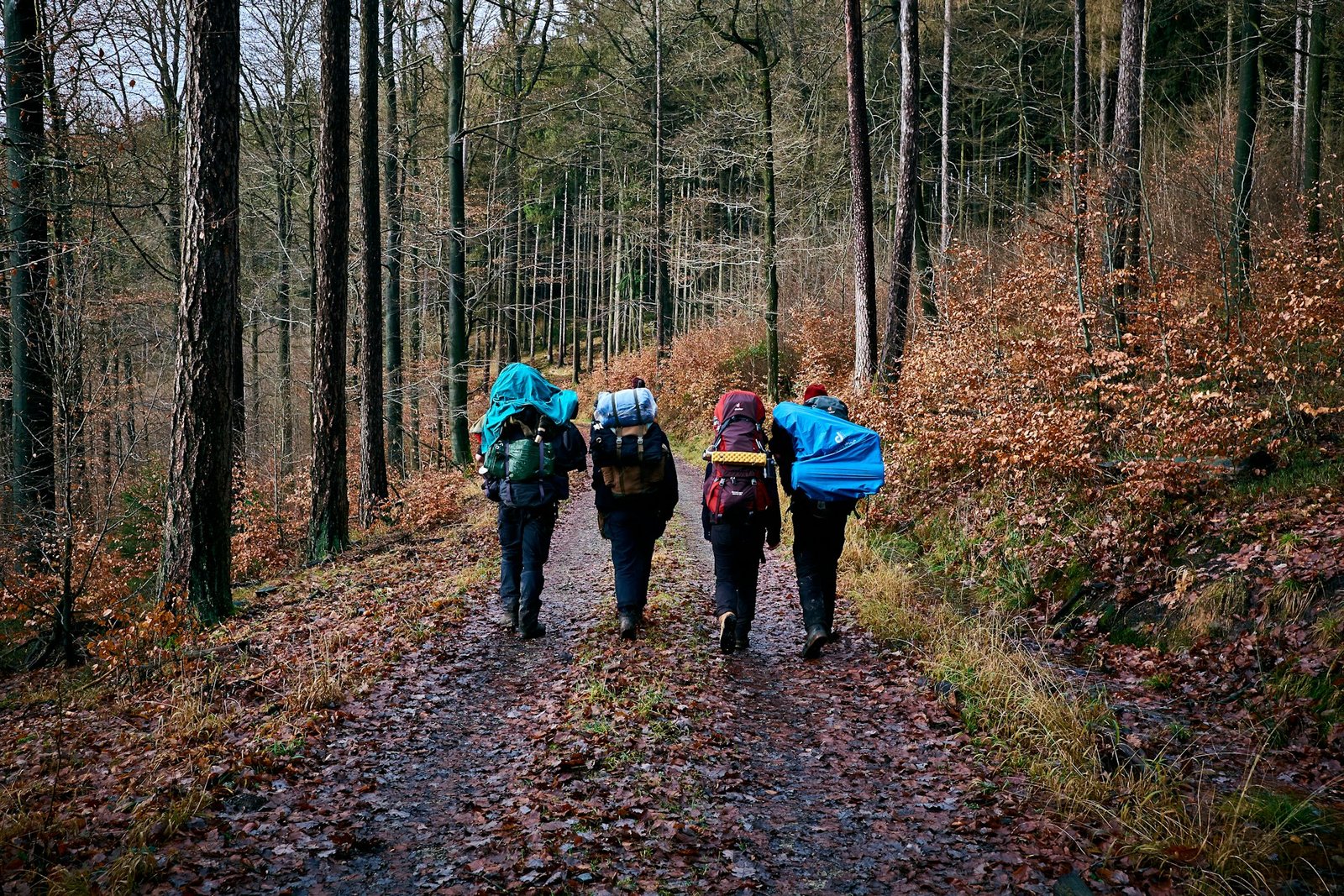
In 2012, when I boarded my flight to the Maldives with just 4 T-shirts and 3 pairs of pants, I didn’t know I was “backpacking.” I just knew I didn’t want to carry a heavy suitcase. That decision changed everything. It made me faster, more flexible, and less stressed. I realized that the less I carried, the more I actually saw of the world.
Simple backpacking is not about suffering or being “cheap.” It is about removing the “clutter” from your journey so you can focus on the world around you. In this guide, I will show you how to master the art of traveling with just one bag and why “less” truly is “more.” By the end of this post, you will have a 2026 roadmap for total travel freedom.
What is Simple Backpacking?
Many people think backpacking means hiking in the woods for weeks. While that is one type, “Urban Backpacking” or “Global Backpacking” is different. It means using a single backpack that fits in an airplane overhead bin and having everything you need to live on your back.
The goal of simple backpacking is mobility. If you can’t carry your bag comfortably for 20 minutes, you have packed too much. In 2026, the “One Bag Travel” movement has grown because travelers are tired of lost luggage and high airline fees. By mastering this style, you transform from a “tourist” into a “traveler” who can navigate crowded markets, buses, and small alleyways without a struggle.
The “Big Three” of Backpacking Gear
In the world of simple backpacking, we talk about the “Big Three.” These are your most important (and usually heaviest) items. In 2026, technology has made these lighter than ever before.
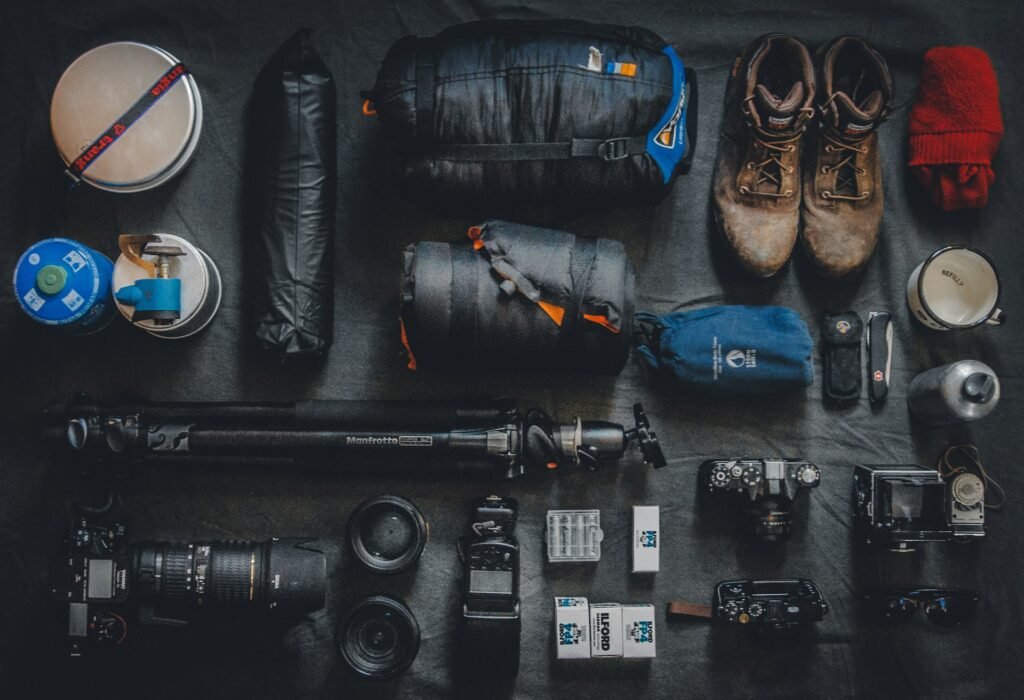
A. The Pack
Don’t buy a massive 70-liter bag. For simple travel, a 35L to 45L backpack is the “sweet spot.” It fits most airline carry-on rules, meaning you never have to wait at a luggage carousel.
- Modern Trend: Look for “clamshell” opening bags like the Nomatic or Osprey Farpoint. They open like a suitcase, so you don’t have to empty your whole bag just to find one pair of socks at the bottom.
B. The Sleep System
If you are staying in hostels, your “sleep system” is just a lightweight silk liner or a travel pillow. For those venturing into nature, 2026 has introduced ultra-light synthetic sleeping pads that fold down to the size of a water bottle.
- Pro Tip: Even in hotels, a small, high-quality travel pillow can improve your sleep quality significantly, ensuring you have the energy to explore the next day.
C. The Shelter
For urban travelers, your “shelter” is your hostel or guesthouse. For adventure backpackers, “Dyneema” tents are the 2026 gold standard—they are waterproof, incredibly strong, and weigh less than a kilogram.
- Expert Insight: Choosing a lightweight shelter means you can hike further and reach more remote, beautiful locations that traditional tourists will never see.
The Minimalist Wardrobe: The “Rule of 3”
This is where most beginners fail. They pack for “just in case” scenarios that never happen. In simple backpacking, we pack for the reality of right now.
Follow the Rule of 3:
- Wear one: Your heaviest items (jeans, jacket, and boots).
- Wash one: The set you wore yesterday that is now drying on a travel clothesline.
- Pack one: Your clean set ready for tomorrow morning.
Fabric Choice Matters: In 2026, we prioritize Merino Wool and recycled synthetics. These fabrics are “odor-resistant,” meaning you can wear a shirt for three days of walking, and it will still smell fresh. They also dry much faster than cotton, which is essential when you are washing clothes in a hostel sink.
Packing Electronics in 2026
In 2012, I carried a separate camera, a paper map, and a heavy laptop. Today, your smartphone is your most powerful travel tool, but you must pack it wisely.
- The “Do-it-All” Device: Your phone is your camera, your map, and your translator. Ensure you have a rugged case and a screen protector before you leave.
- Universal GaN Charger: These new 2026 chargers are tiny but can charge your phone, laptop, and watch all at once. It replaces three separate plugs, saving you space and weight.
- Power Bank: This is non-negotiable. If your phone dies while you are looking for your hostel at 11 PM, you are in trouble. A 10,000mAh bank is usually enough for two full charges.
Why Simple Backpacking Makes Travel Better
When you embrace simple backpacking, your travel experience changes in three major ways:
A. You Save a Fortune
No checked bag fees ($50+ per flight). No need for expensive taxis because you can easily carry your bag on a bus or train. You also avoid “luggage storage” fees at train stations because your bag is always with you.
B. You Are “Immigration-Fast”
When you land, you don’t wait 45 minutes at the luggage carousel. You walk off the plane, through customs, and into the city while everyone else is still standing in line. This saved time adds up to hours of extra exploration on every trip.
C. Your Mind is Open
When you aren’t worried about a 20kg suitcase, you are free to say “yes” to spontaneous adventures. If a new friend says, “Hey, let’s take this local boat to that hidden island,” you can just pick up your bag and go. You are no longer a slave to your possessions; you are a master of your journey.
How to Start: The “Shakedown”
Before your first trip, you must do a “shakedown.” This is a practice run that separates the pros from the amateurs.
- The Test Pack: Pack your bag exactly how you think you need it for your trip.
- The Walk: Go for a 5km walk in your city wearing the full bag.
- The Cut: When you get home, look at what felt too heavy. Remove 20% of the items—usually the “extra” shoes or the “third” jacket.
- The Result: You will find that you didn’t miss those items, and your walk became much more enjoyable without them.
Comparison: Traditional Travel vs. Simple Backpacking
| Feature | Traditional Travel | Simple Backpacking |
| Bag Type | Large Suitcase (20kg+) | 40L Backpack (7-10kg) |
| Airport Stress | High (Check-in lines/Lost bags) | Low (Straight to gate) |
| Cost | Expensive (Taxis/Baggage fees) | Low (Public transit/Free) |
| Mobility | Low (Stuck with gear) | High (Go anywhere) |
| Outfit Choice | Many (Overpacked) | Versatile (Mix-and-match) |
Simple Backpacking Safety Tips
Safety is about being smart, not being afraid. A backpacker is often safer than a tourist because they blend in more easily.
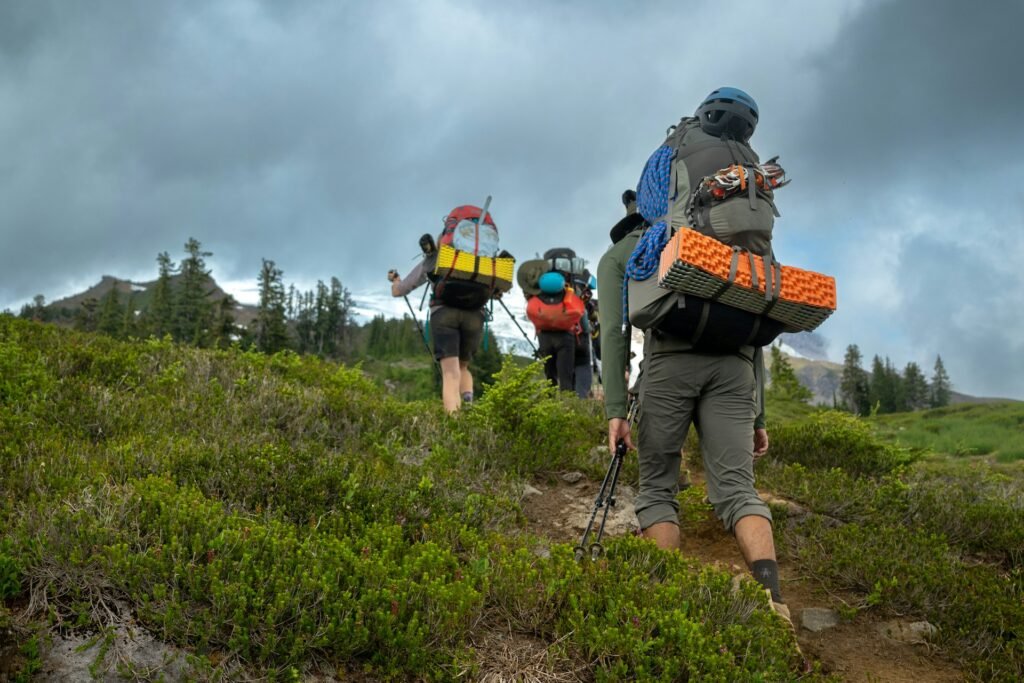
- The Front-Pack Move: In crowded subways or busy markets, wear your backpack on your chest. This prevents pickpocketing and keeps your eyes on your valuables at all times.
- Digital Scans: Always keep digital copies of your passport and visas on a secure cloud drive. If your bag is stolen, you can still prove who you are at an embassy.
- Trust the Locals: Most “essentials” (like soap, socks, or snacks) can be bought anywhere in the world. Don’t pack six months of shampoo; buy it locally and support the neighborhood economy.
- Situational Awareness: Because you only have one bag, you are more aware of your surroundings. You aren’t distracted by multiple rolling suitcases, making you a much harder target for scammers.
Sustainable Backpacking
In 2026, simple backpacking is also about “Leave No Trace.” Minimalist travel is naturally more eco-friendly.
- Zero-Waste Toiletries: Switch to shampoo bars and solid toothpaste tabs. They aren’t liquid (so they pass security easily) and they don’t use plastic bottles.
- Slow Travel: Use your backpack to travel by train or bus instead of taking short-haul flights. Staying in one region for longer reduces your carbon footprint and deepens your experience.
- Support Local: Carry a reusable shopping bag and a water filter. This prevents you from buying hundreds of plastic bottles during your trip, saving the planet and your money.
FAQ: Common Questions
Is 40L really enough for a month?
Yes! Because you will do laundry once a week. Whether you travel for 1 week or 1 year, you only ever need about 7 days’ worth of clothes. The world has laundromats everywhere.
What if I forget something important?
Unless you are going to the middle of the Sahara Desert, you can buy what you need. In fact, buying a local shirt or hat is a better souvenir than something from a gift shop!
Is it hard on your back?
Not if you have a bag with a proper hip belt. A good hip belt transfers 80% of the weight to your legs, which are much stronger than your shoulders.
The Freedom of the Road
Simple backpacking changed my life in 2012, and it will change yours in 2026. It’s not about how much you carry; it’s about how much you see. When you strip away the heavy bags and the “just in case” items, you find the true heart of travel: Absolute Freedom.
Are you ready to downsize your bag and upsize your adventure? Let me know in the comments what you’re struggling to leave behind, and I’ll help you decide if you really need it!