
Save on Trip Costs Like a Pro
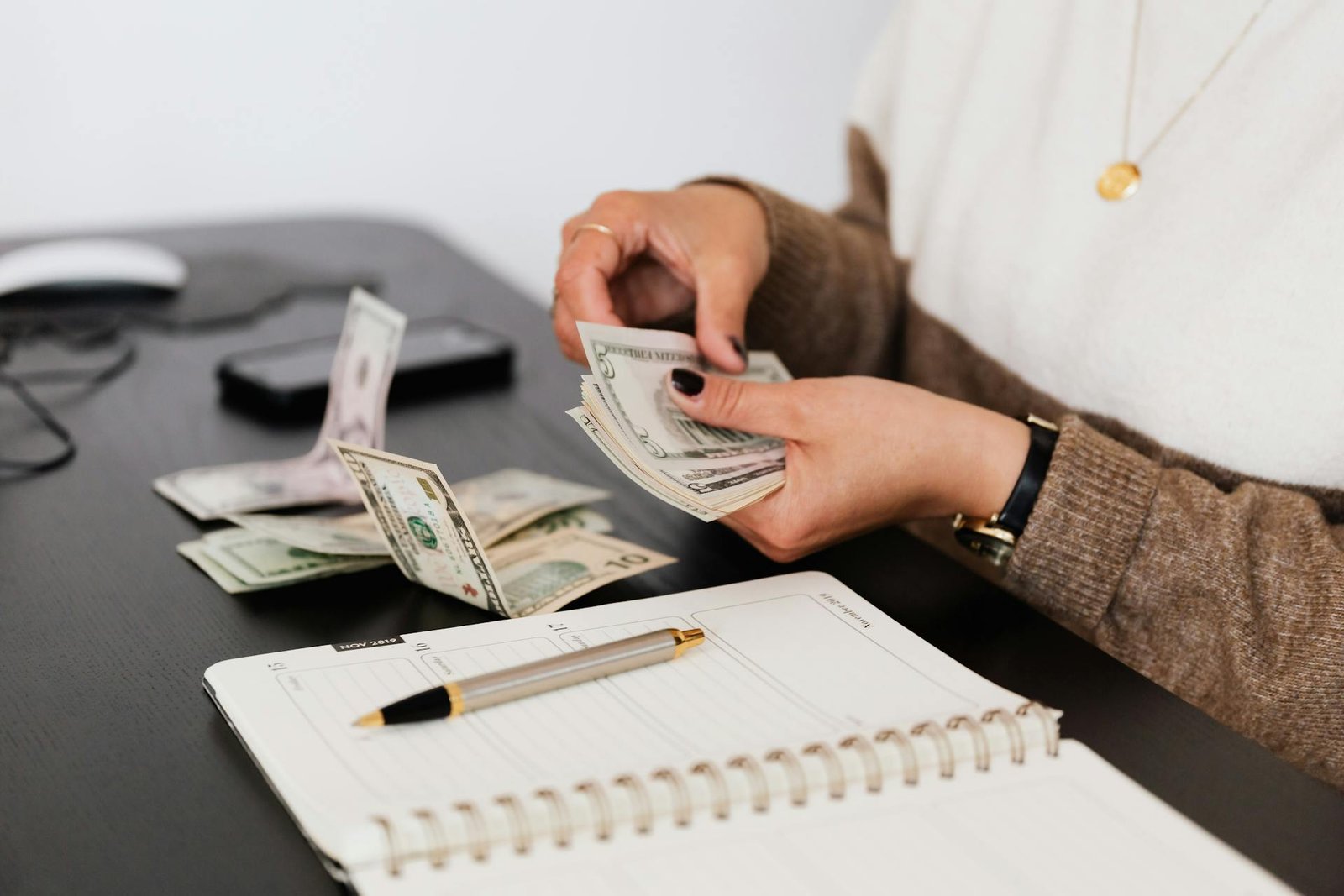
We’ve all been there—scrolling through Instagram, seeing friends on a beautiful beach or wandering through a charming European alley, and suddenly that travel bug hits hard. Then reality steps in. You check your bank account, your wallet gives you that side-eye, and the dream starts fading. Sound familiar? The good news is, traveling doesn’t have to drain your savings. With a few smart, practical moves, you can easily save on trip costs and still enjoy an amazing experience.
I’m not talking about extreme hacks or uncomfortable sacrifices—just real-world tips I’ve learned the hard way, like overpaying for airport food, booking inconvenient flights, or missing out on better deals. So grab a coffee and let’s dive into how you can save on trip expenses without compromising the fun.
Table of contents
Be Flexible With Your Travel Dates (Seriously, It Helps)
Let’s start with the single biggest factor that affects your travel budget: timing. You know how flight prices seem to change every time you refresh the page? Like you look at a flight in the morning, it’s $300, and by lunchtime it’s mysteriously $375? That’s not just your imagination. Airlines love rigid plans because rigid plans mean higher prices.
Why Flying on a Tuesday Can Change Everything
Here’s a little secret the travel industry doesn’t shout from the rooftops: if you can shift your trip by just a few days, you’ll often see prices drop by 30% or even 50%. Think about that for a second. That’s not a small discount. That’s the difference between a cheap hotel and a nice one, or between eating street food and sitting down at a great restaurant every night.
Weekends are expensive. Why? Because everyone wants to fly on Friday night and come back on Sunday. That’s when business travelers are also moving around. But Tuesdays and Wednesdays? Not so much. Those are the days when planes have empty seats, and airlines would rather sell those seats at a discount than leave them empty. It’s simple supply and demand.
Pro tip: Use the “flexible dates” option on Aviasale, booking.com, or Kayak. It’s like having a wise travel friend whisper in your ear, “Hey, you could save $150 by leaving one day later. Are those 24 hours really worth that much money to you?” Most of the time, the answer is no.
I once planned a trip to Mexico. The flight for a Friday departure was $520. The exact same flight, same airline, same seats, on a Tuesday? $310. That’s $210 saved just by waiting three extra days. That paid for four nights in a lovely little guesthouse. Flexibility is literally cash in your pocket.
Shoulder Seasons: The Sweet Spot Nobody Talks About
Beyond just shifting within a week, think about shifting your entire trip by a few weeks or months. Peak season is expensive for a reason—everyone wants perfect weather and school holidays. But right before or right after peak season, there’s something called the “shoulder season.”
During shoulder season, the weather is still 90% as good, but the crowds are thinner and the prices are lower. Hotels drop their rates. Flights become reasonable again. You can save on trip costs significantly just by going to the beach in early May instead of late June, or visiting Europe in September instead of July.
And here’s an even better part: attractions are less crowded. You’re not waiting in line for an hour to see a famous landmark. Locals are less stressed and more friendly because they’re not dealing with hordes of tourists. You get a better experience for less money. That’s what I call a win-win.
Eat Like a Local, Not a Tourist
Let’s be real for a minute. Those restaurants right next to the main square, the ones with the picture menus and the person out front trying to wave you inside? They’re designed to separate you from your money. The food might be fine—sometimes it’s even good—but the prices are absolutely not fine. You’re paying a “convenience tax” and a “view tax” and a “we-printed-menus-in-five-languages tax.”
Street Food & Supermarkets Are Your New Best Friends
One of my absolute favorite ways to save on trip food costs is to grab lunch at a local market or street stall. Not only is it cheaper, but it’s almost always more authentic. The place that’s been grilling the same chicken skewers for twenty years? That place knows what it’s doing. The fancy restaurant with the white tablecloths? They’re paying rent, paying waitstaff, paying for those tablecloths to be laundered. All of that gets added to your bill.
Street food isn’t scary. It’s delicious. Some of the best meals I’ve ever had came from a cart on a sidewalk. A $2 bowl of noodles in Vietnam. A $3 arepa in Colombia. A €4 kebab in Berlin. These aren’t just cheap eats—they’re cultural experiences. You’re eating what the people who actually live there eat.
Also, find a grocery store. I know, I know. You didn’t travel all the way to Paris to buy a baguette at a supermarket. But here’s the thing: that supermarket baguette costs 90 cents. The one at the café near the Eiffel Tower? Eight euros. And honestly? They’re often from the same bakery.
Grab snacks, water, breakfast items, fruit, maybe some cheese and crackers for a light lunch. Your future self (and your wallet) will thank you when you’re not paying $8 for a sad granola bar at the hotel gift shop. I make it a ritual on day one of any trip: find the nearest grocery store. It takes fifteen minutes and saves me dozens of dollars every single day.
The Lunch Special Hack
Here’s another insider trick: eat your big meal at lunchtime. Many restaurants offer lunch specials or “plat du jour” that are significantly cheaper than the exact same dish at dinner. We’re talking half price, sometimes even less.
Why? Because lunch crowds are smaller, and restaurants want to fill seats. They’ll offer a smaller menu at a lower price to get people in the door. For dinner, they know you’re hungry, you’ve been walking all day, and you’re less likely to comparison shop. So they charge more.
So here’s the strategy: have a nice, satisfying lunch at a sit-down restaurant. Enjoy the local cuisine. Take your time. Then for dinner, do something lighter—maybe that grocery store picnic, maybe some street food, maybe just a bowl of soup and some bread. You’ll save on trip food costs without feeling like you missed out on the culinary experience.
Use Public Transportation (It’s Part of the Adventure)
I get it. Taxis and ride-shares are easy. You’re tired, you have luggage, you don’t want to figure out a bus map in a foreign language. I understand completely. But they add up fast. Like, scary fast. A $15 ride here, a $20 ride there, and suddenly you’ve spent $100 just on getting from point A to point B.
Trains, Buses, and Trams – Oh My!
Most cities have a solid public transit system that’s clean, safe, and surprisingly efficient. A day pass for the metro or bus network often costs less than one short taxi ride. In many European cities, a 24-hour transit pass is €5-10. One taxi from the airport to your hotel? Easily €40-60. Do the math.
Plus, riding the local bus or metro helps you see the city like a resident, not just a postcard. You’re not sealed off in the back of a private car. You’re looking out the window, seeing neighborhoods you might otherwise miss, watching people go about their daily lives. That’s travel. That’s the good stuff.
Conversational truth: Getting a little lost on a tram, asking a local for directions, figuring out how to validate your ticket, sharing a smile with someone on a crowded bus? That becomes a memory. A real, authentic, human memory. Paying $40 for a 10-minute cab ride from your hotel to a tourist attraction? That’s just pain. That’s not a story you tell at dinner parties.
Don’t Fear the Metro Map
I know transit maps can look intimidating at first. A tangle of colored lines and foreign station names. But here’s a secret: they’re designed to be understood. Spend ten minutes with Google Maps or Citymapper, and you’ll figure it out. Most transit apps now tell you exactly which platform to stand on, how many stops to ride, and even which exit to take.
And if you make a mistake? So what. You get off, you cross the platform, you go back one stop. You’ve lost ten minutes and gained a story. Compare that to the stress of trying to hail a taxi during rush hour or arguing with a ride-share driver about the fare. Public transit is liberating once you get over the initial fear.
To really save on trip transportation costs, consider buying multi-day passes or even weekly passes if you’re staying for a while. The per-ride cost drops dramatically. Some cities offer tourist travel cards that include museum discounts. Do a little research before you go. Ten minutes of planning can save you a surprising amount of money.
Choose Accommodation With a Kitchen
Hotels are comfortable, no doubt. Fresh towels every day. Someone making your bed. Little bottles of shampoo. There’s something nice about that. But hotels also lock you into eating out for every single meal. Breakfast? Hotel buffet for $25. Lunch? Café for $20. Dinner? Restaurant for $40. Plus snacks, plus coffee, plus drinks. It adds up to a staggering amount over a week-long trip.
Hostels & Rentals Aren’t Just for Backpackers
These days, you can find private rooms in hostels or budget short-term rentals that include a small kitchen. I’m not talking about a full gourmet setup. Just a sink, a mini-fridge, a two-burner stove, and a few pots and pans. That’s all you need.
Even making just breakfast and one other meal a day can help you save on trip expenses significantly. Think about it: a $5 pasta dinner you cook yourself—noodles, a jar of sauce, maybe some cheap vegetables—versus a $25 restaurant meal plus tax and tip. Do that for five days, and you’ve just saved $100. That $100 can go straight into something fun, like a guided tour, a museum pass, a nice bottle of local wine, or a memorable experience you’ll actually treasure.
Breakfast is the easiest meal to DIY. A box of cereal, some milk, a few bananas, maybe some bread and jam. That’s maybe $10 total for an entire week of breakfasts. Compare that to $15-20 per day at a hotel or café. The savings are enormous.
The Hidden Benefit: Snacks and Drinks
Here’s something people don’t think about: having a kitchen means having a refrigerator. Having a refrigerator means you can buy cold drinks and keep them cold. That six-pack of local beer from the grocery store costs $8. The same six beers at a bar? $30-40, easy. Same thing with water, soda, juice, yogurt, cheese—anything that needs to stay cool.
Plus, a kitchen gives you a place to hang out that isn’t your bed. You can sit at a little table, eat your grocery store snacks, look out the window, and feel like a temporary local. It’s cozy. It’s real. And it costs a fraction of what you’d pay to sit in a hotel lobby bar.
Look for places labeled “apartment,” “studio,” “guesthouse with kitchenette,” or even certain hostel private rooms. Many budget travelers overlook these options because they assume they’re only for long-term stays. Not true. Even a two-night stay can benefit from a small fridge and a microwave.
Always Search in Incognito Mode
This one sounds a little tech-nerdy, and you might be tempted to skip it because it feels like a hassle. But stick with me. It’s super simple, takes literally two seconds, and it’s completely free. No signup, no credit card, no catch.
Don’t Let Dynamic Pricing Trick You
Here’s what happens behind the scenes when you search for flights or hotels. Airlines and booking sites use something called “dynamic pricing.” They track your searches using small files called cookies. If they see you checking the same flight or the same hotel room again and again—like you keep coming back to look at it, maybe you’re not sure yet—they sometimes raise the price. Sneaky, right?
They figure that if you’re searching repeatedly, you’re probably going to book eventually. So why not squeeze a few extra dollars out of you? It’s not illegal. It’s just… annoying. And it’s completely avoidable.
All you have to do is open a private browsing window. On any browser, it’s called Incognito Mode. On Firefox, it’s Private Browsing. And on Safari, it’s Private Window. Or on Edge, it’s InPrivate. They all do the same thing: they prevent websites from seeing your past searches.
So before you start hunting for flights or hotels, open that private window. Then do your search. See a price you like? Great. Close the window, open another private window, and search again. If the price is the same, you’re good. If it’s lower? Now you know the first site was trying to play you.
Combine Incognito With Comparison Sites
Incognito mode is powerful, but it’s even better when you pair it with a good flight or hotel comparison site. Use Aviasale, Kayak, vrbo, or Google Flights. Search in incognito. Compare across multiple sites.
But here’s an extra pro tip: once you find a good price on a comparison site, go directly to the airline or hotel’s own website. Sometimes they offer the same price but without third-party booking fees. Sometimes they offer a slightly better rate for booking direct. It takes an extra two minutes and can save on trip costs another 5-10%.
And one more thing: clear your cookies regularly even when you’re not in incognito mode. Or set your browser to automatically clear cookies when you close it. This is a “set it and forget it” solution that keeps dynamic pricing from following you around.
I once watched a flight go from $450 to $520 to $600 over the course of a week as I kept checking it in my regular browser. Then I opened an incognito window and magically found it for $430. The airline wasn’t changing the price because demand was rising. They were changing it because I kept looking. Don’t let them do that to you.
Small Changes, Big Savings (And Where to Go From Here)
Look, you don’t need to be an extreme coupon-clipper or a professional budget traveler to save on trip costs. You don’t need to sleep in hostels if you hate sharing bathrooms, or eat nothing but instant noodles for two weeks. You just need a few smart habits.
Be flexible with your dates. Even shifting by a day or two can unlock huge savings. Eat where the locals eat—street food, markets, grocery stores, lunch specials. Ride the bus or the metro instead of taking taxis everywhere. Cook one or two meals a day in a small kitchen. And always, always search in incognito mode before you book anything.
The best part? The money you save isn’t just money you keep. It’s money you can redirect into making your trip better. Maybe that means staying an extra night. Maybe it means booking a really cool excursion you would have skipped otherwise. Or it means coming home with some money left over, which is a feeling that never gets old.
Try these tips on your next trip, even just a few of them. You’ll be surprised how quickly the savings add up. And you’ll be even more surprised by how little you miss the things you didn’t pay for—the overpriced airport sandwich, the tourist-trap restaurant, the twenty-minute taxi ride that cost as much as a week of metro passes.
So, where are you heading next? Wherever it is, you’ve got this. Travel smarter, spend less, and enjoy every moment. The world is waiting for you, and now you know exactly how to see it without breaking the bank.